


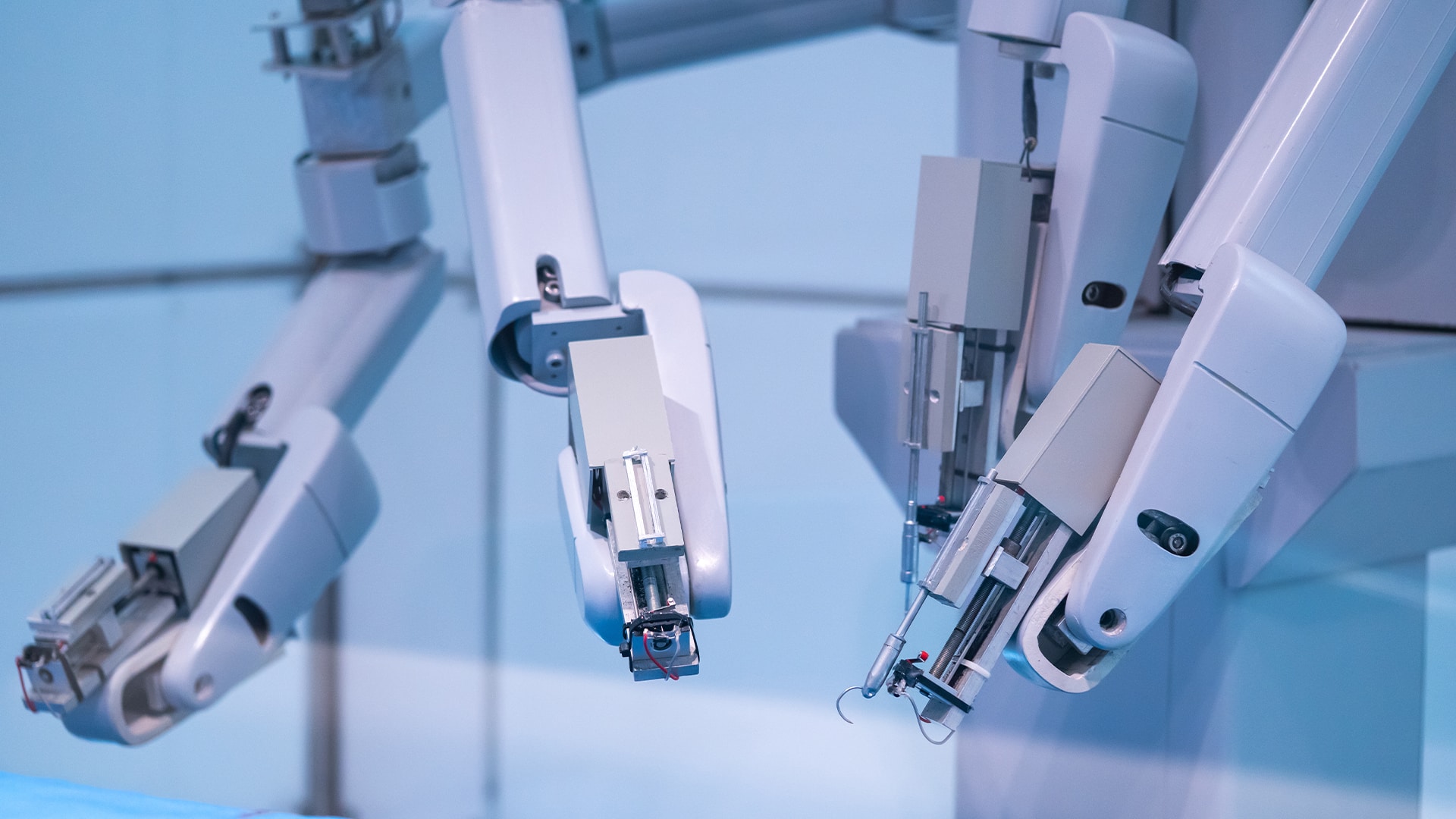
The medicine of the future is already here. For the first time in Kazakhstan, surgeons at the Almaty Oncology Center have performed gastric surgery using a robotic system. Rather than making large incisions, the surgical team removed part of the stomach through several tiny punctures.
Greater precision with robotic technology
During the procedure, the medical team used an indocyanine green (ICG) navigation system, which acts like an illumination tool, helping the surgeon clearly visualize tissues and blood vessels. Additionally, in accordance with established treatment protocols, the patient underwent a D2 lymphadenectomy, a procedure to remove nearby lymph nodes, including those that may be affected by cancer, to reduce the risk of the disease spreading.
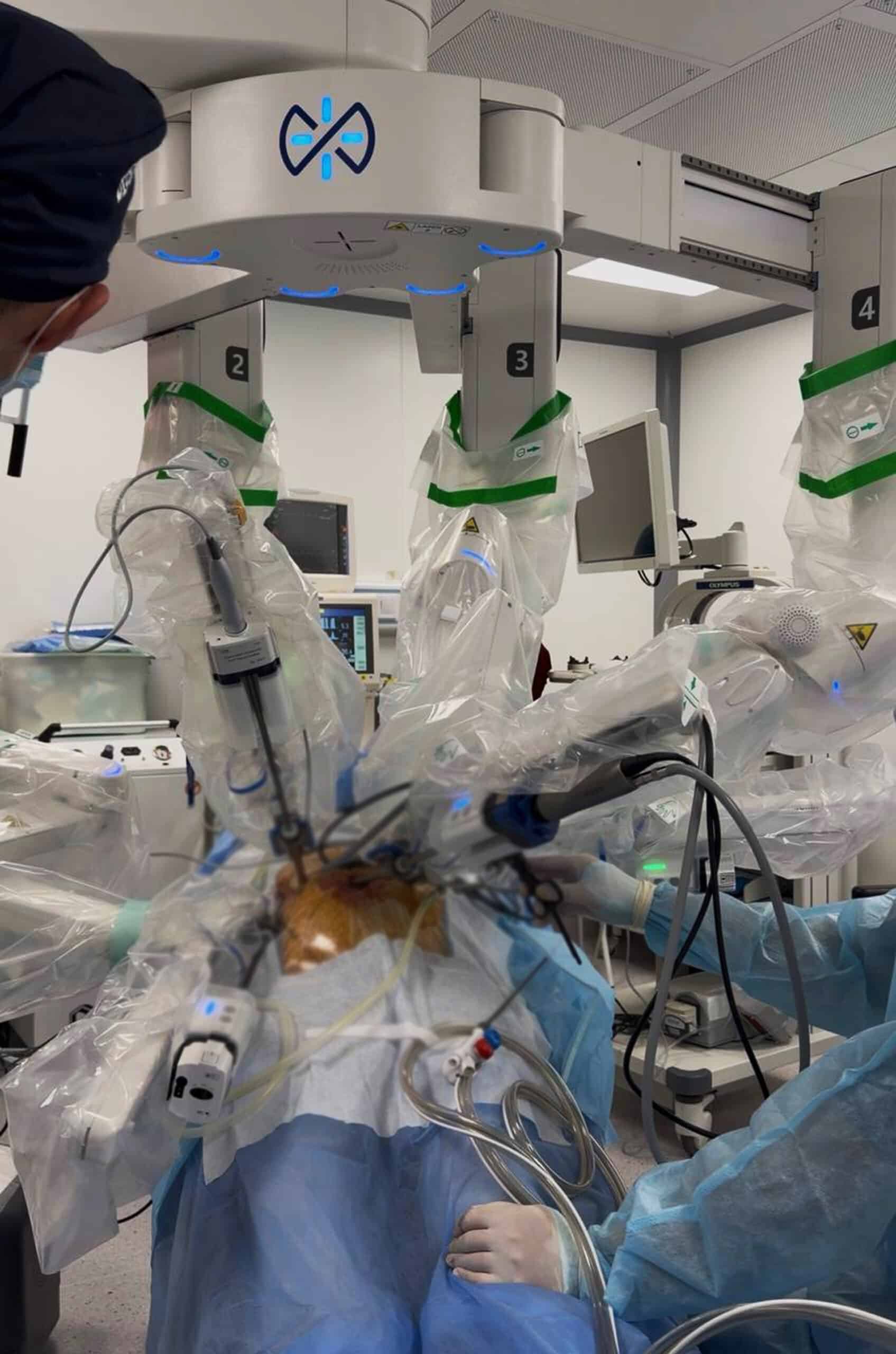
According to Nurlan Baltayev, head of the Oncosurgery Department at the Almaty Oncology Center, the robotic system allows surgeons to perform operations with exceptional precision.
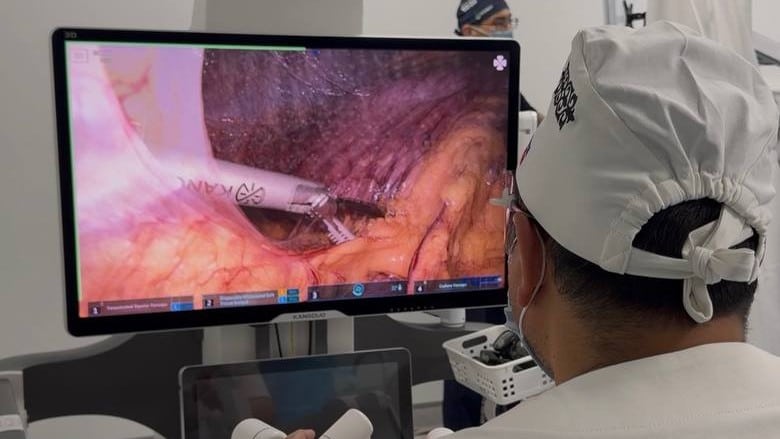
«We see the surgical field in magnified 3D, allowing us to examine anatomical structures in detail and perform complex maneuvers in hard-to-reach areas. The system also filters out the surgeon’s natural, involuntary hand tremors,» he explained.
Faster recovery and less tissue damage
The main benefit of robot-assisted surgery for patients is that it eliminates the need for large incisions. Even highly complex procedures can be performed through a few small incisions, reducing tissue damage and helping patients recover faster.
This was the 15th robot-assisted operation performed at the Almaty Oncology Center. Previously, local specialists had successfully used the technology to remove tumors from the intestines, kidneys, prostate and uterus.
According to the Ministry of Health, the center performs more than 3,000 surgeries annually, 60% of which use minimally invasive techniques.
