



Scientists at Saken Seifullin Kazakh Agrotechnical Research University have developed a laboratory prototype of a system for the rapid detection of salmonella in food products, the National Agrarian Science and Education Center (NASEC) reported.
A new method based on CRISPR/Cas gene-editing technology makes it possible to detect this dangerous intestinal pathogen faster than traditional methods and without the need for expensive equipment.
CRISPR/Cas is based on a natural bacterial defense mechanism against foreign genetic material. This mechanism led to the development of a gene-editing method, which was awarded the Nobel Prize in 2020. In recent years, CRISPR technologies have also been actively developed for use in molecular diagnostics.
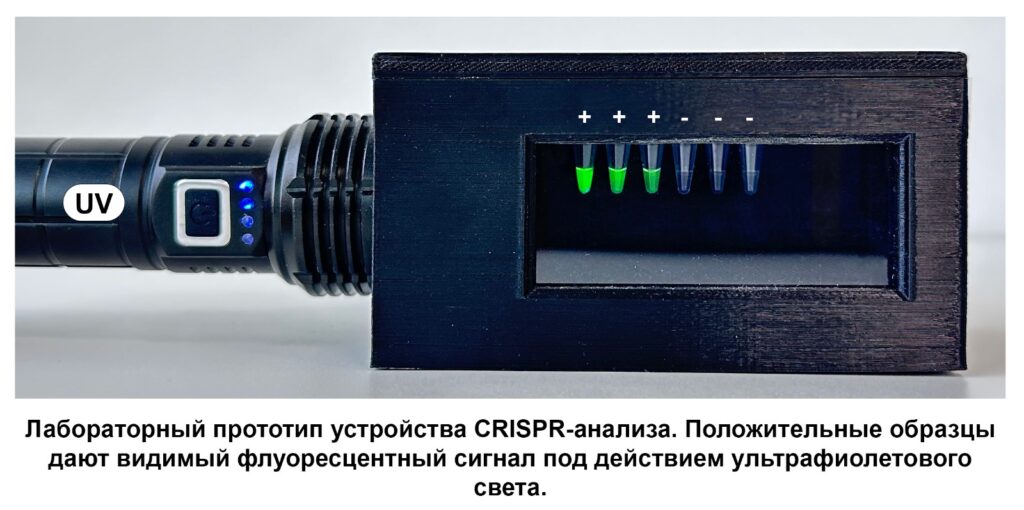
Kazakhstani specialists have identified specific sections of salmonella DNA and developed a laboratory protocol for their rapid detection using CRISPR technology. The new method significantly speeds up the analysis process and does not require expensive equipment.
The scientists plan to test the method on different food products to confirm its effectiveness with real samples. In the future, introducing the technology into laboratory testing systems is expected to enable faster detection of dangerous bacteria.
Salmonella is the causative agent of an acute intestinal infection transmitted through contaminated food. It can cause severe food poisoning, high fever and gastrointestinal disorders. Therefore, its rapid detection is a key priority for laboratory and sanitary control.
