Demand for water: Kyrgyzstan urges neighbors to share infrastructure costs

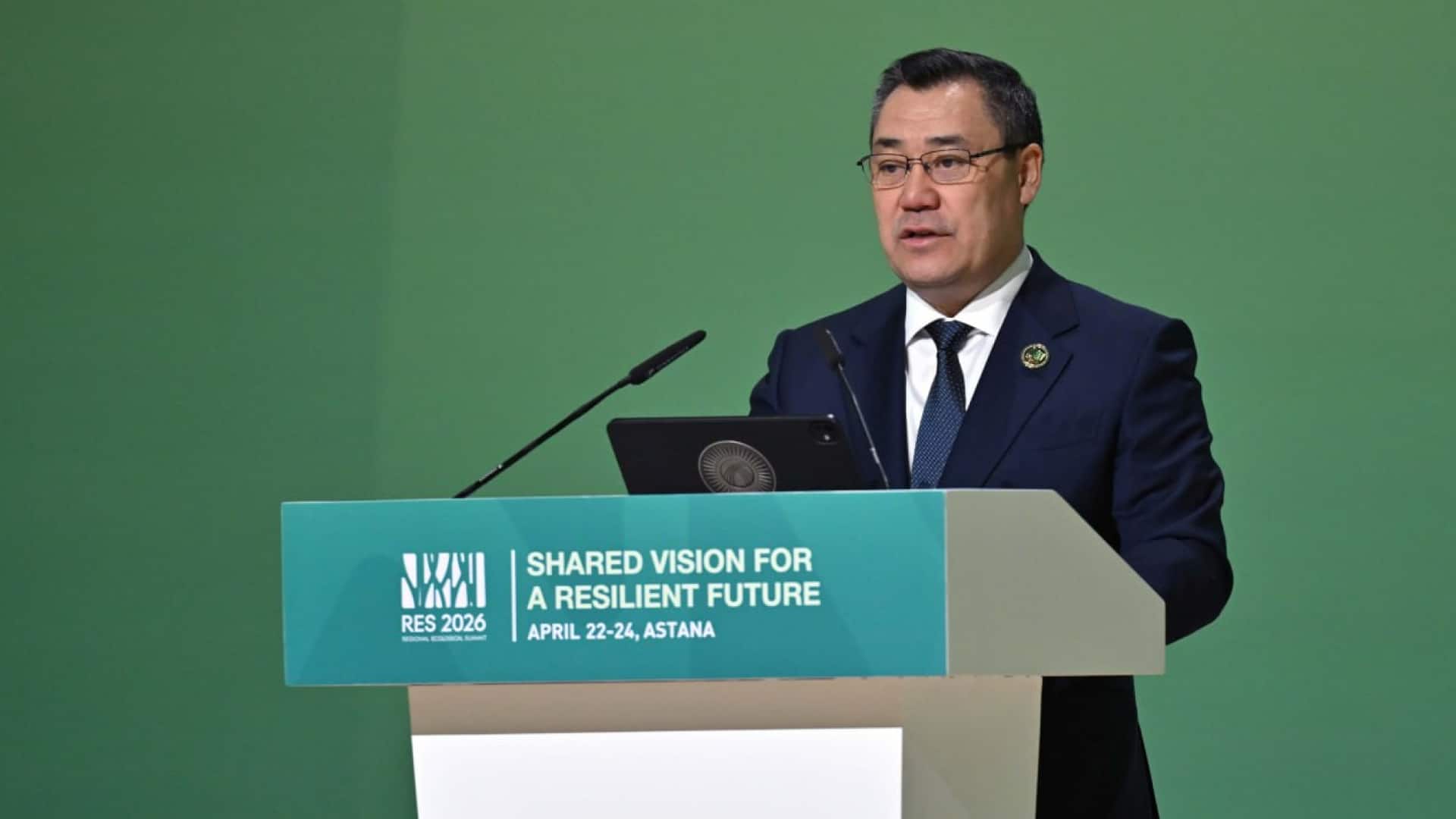
According to Kyrgyz President Sadyr Japarov, his country incurs high costs to maintain water resources, while neighboring states use them without compensation. Speaking at the Regional Environmental Summit (RES 2026) in Astana, he proposed new water distribution mechanisms under which recipient countries would pay either in fossil fuels or money.
Global warming and melting glaciers
As Japarov noted, Kyrgyzstan has been facing the growing impact of climate change, including a threefold increase in natural disasters over the past five years. By 2060, the country could lose up to 80% of its glaciers, a development he described as potentially catastrophic for the region.
One example is Lake Issyk-Kul, where water levels have dropped by nearly 14 meters in recent decades, while the number of rivers feeding it has more than halved. These changes have already contributed to winter energy shortages and could reduce Kyrgyzstan’s GDP by around 2% in the near future, he said.
Generosity at the cost of 2% of the state budget
«The total annual volume of water resources generated in Kyrgyzstan is estimated at approximately 50 billion cubic meters. Of this, our country uses only about 12 billion cubic meters for its own needs. The remaining 38 billion goes to neighboring countries. Thus, Uzbekistan receives 23 billion cubic meters, China 7 billion, Kazakhstan 5.5 billion and Tajikistan 2 billion,» Japarov said.
He added that Kyrgyzstan allocates around 2% of its annual budget to maintain water infrastructure, effectively subsidizing the economic security of neighboring states.
A call for financial solidarity
At the end of his speech, Japarov called on Kazakhstan, Uzbekistan and other countries to follow Kyrgyzstan’s example and allocate a similar share of their budgets to regional water security. He said Kyrgyzstan could, in the future, prioritize water supplies to countries willing to contribute financially or provide fossil fuel resources in return.