Uzbekistan’s Center for Islamic Civilization enters the Guinness World Records

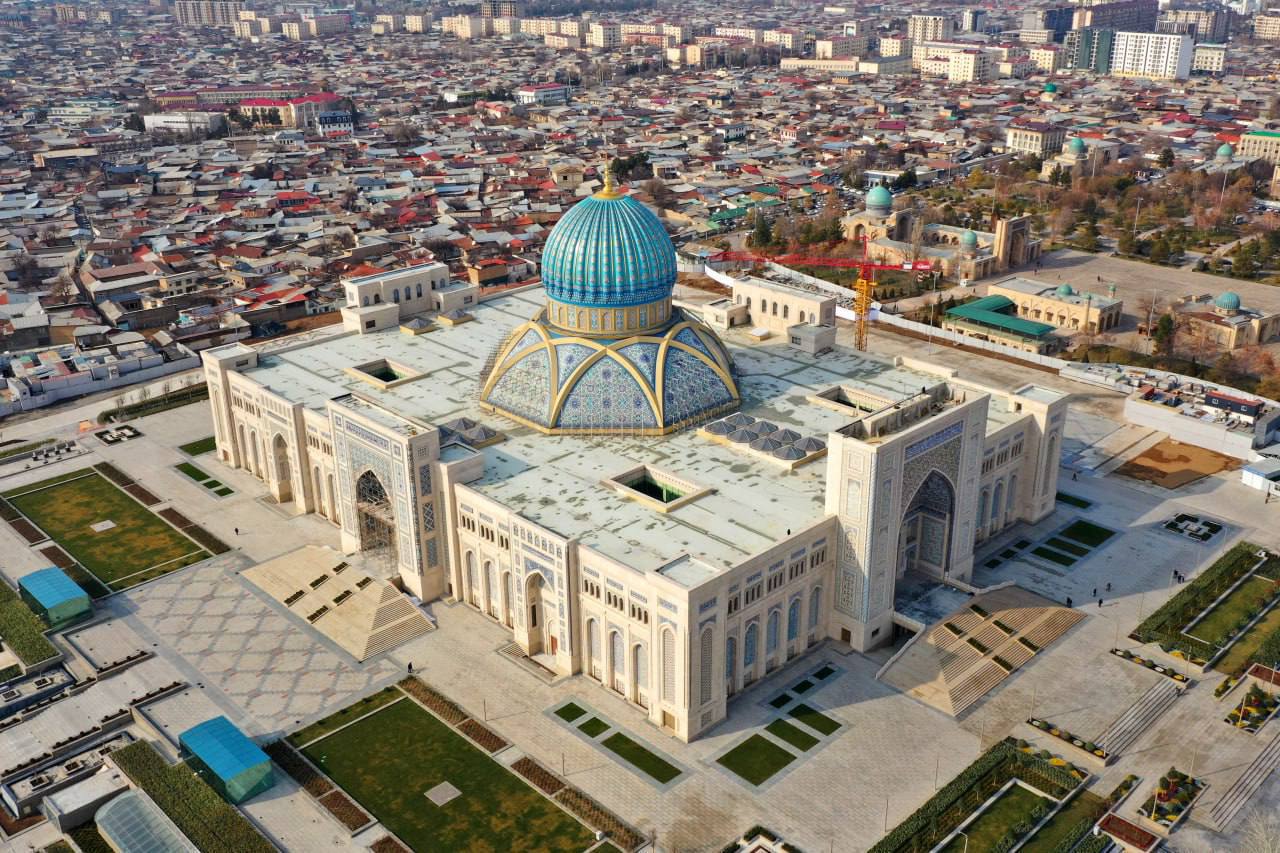
On April 13, 2026, the Center for Islamic Civilization in Uzbekistan was officially recognized as the largest museum of Islamic civilization in the world by Guinness World Records.
The ceremony was attended by Guinness World Records official representative Sheida Subashi, who presented the award to members of the Center’s Scientific Council, as well as to the architects, planners, designers and builders who contributed to the implementation of this large-scale project.
The key factor behind the Guinness World Records decision was the center’s size. The three-story, Oriental-style building is 161 meters long and 118 meters wide. Its dome is 65 meters high, and the total floor area exceeds 42,000 square meters. Other notable features include entrances on all four sides, as well as arches decorated with verses from the Quran and hadiths about enlightenment, kindness and respect for parents.
The project was initiated in 2017 and completed in March 2026. According to authorities, its aim is to become one of the key platforms through which Uzbekistan can articulate its role in the history of the Islamic world and global civilization. The center was originally conceived not simply as another museum complex, but as a space where history, science, religion, education and modern exhibition design come together. Its opening is of great significance for Uzbekistan, which has been actively using cultural policy to strengthen its international positioning.
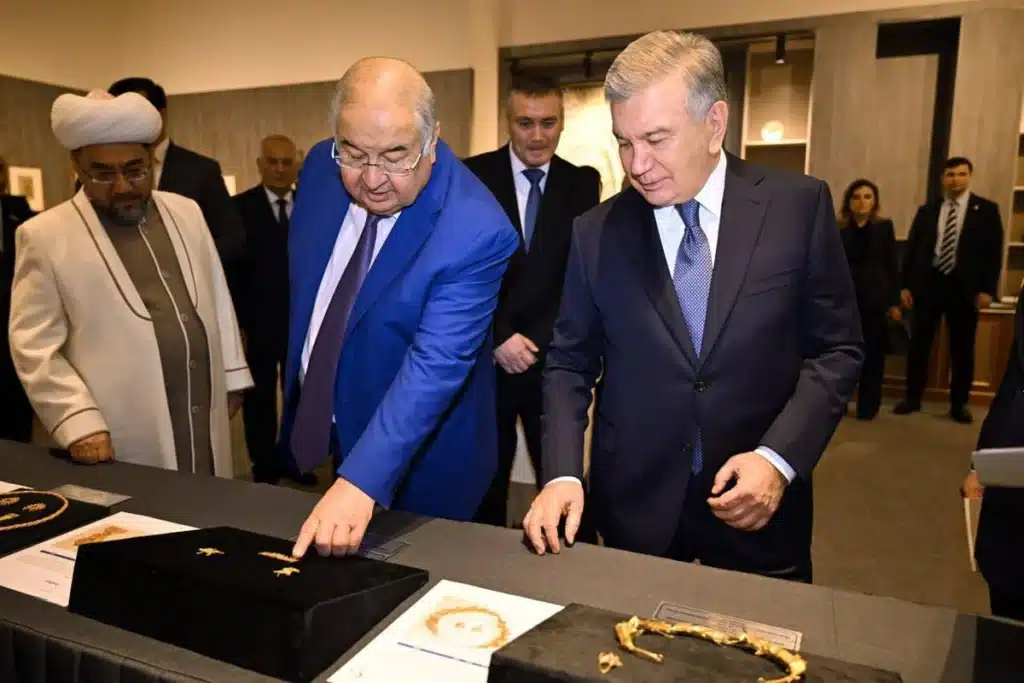
The ceremony was honored by the presence of Alisher Usmanov, a philanthropist who, as emphasized by President Shavkat Mirziyoyev, supplied the center with «vital funding, original ideas, and rare historical exhibits.» President Mirziyoyev was likewise in attendance.
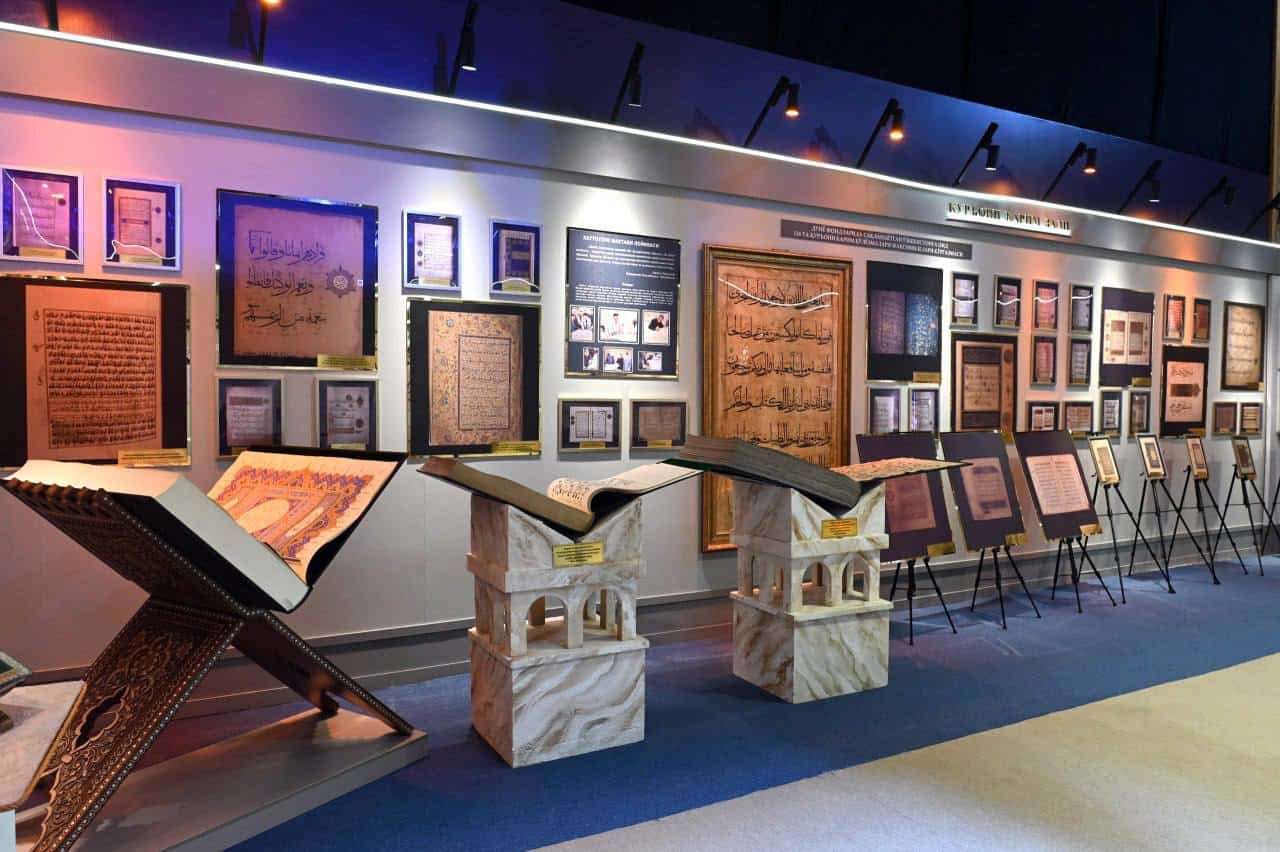
While the scale and architectural style of the complex immediately draw attention, they are not its defining feature. The central core of the complex is the Quran Hall, which will display the Mushaf Uthmani — one of the most important relics of the Islamic world — alongside rare manuscripts, copies and translations of the sacred text dating back to various eras and dynasties.
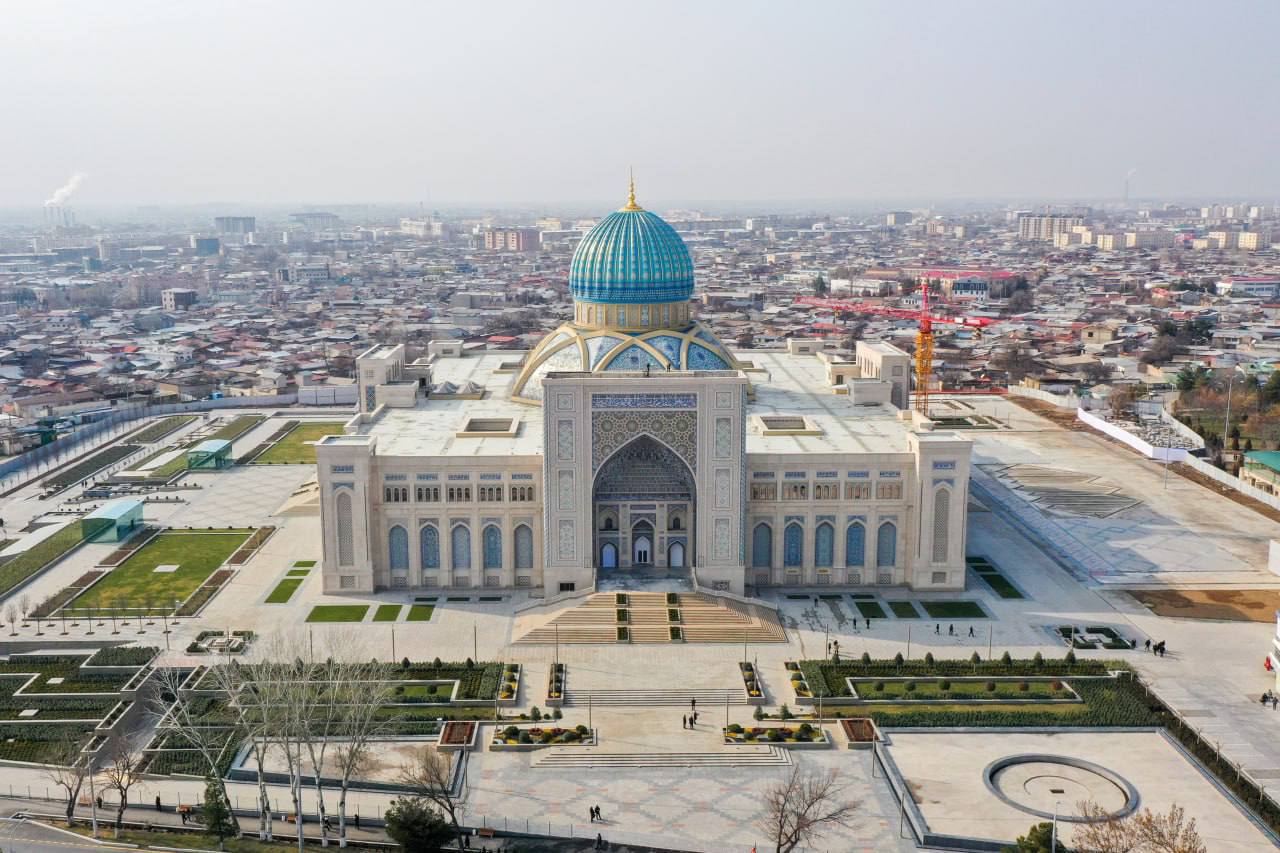
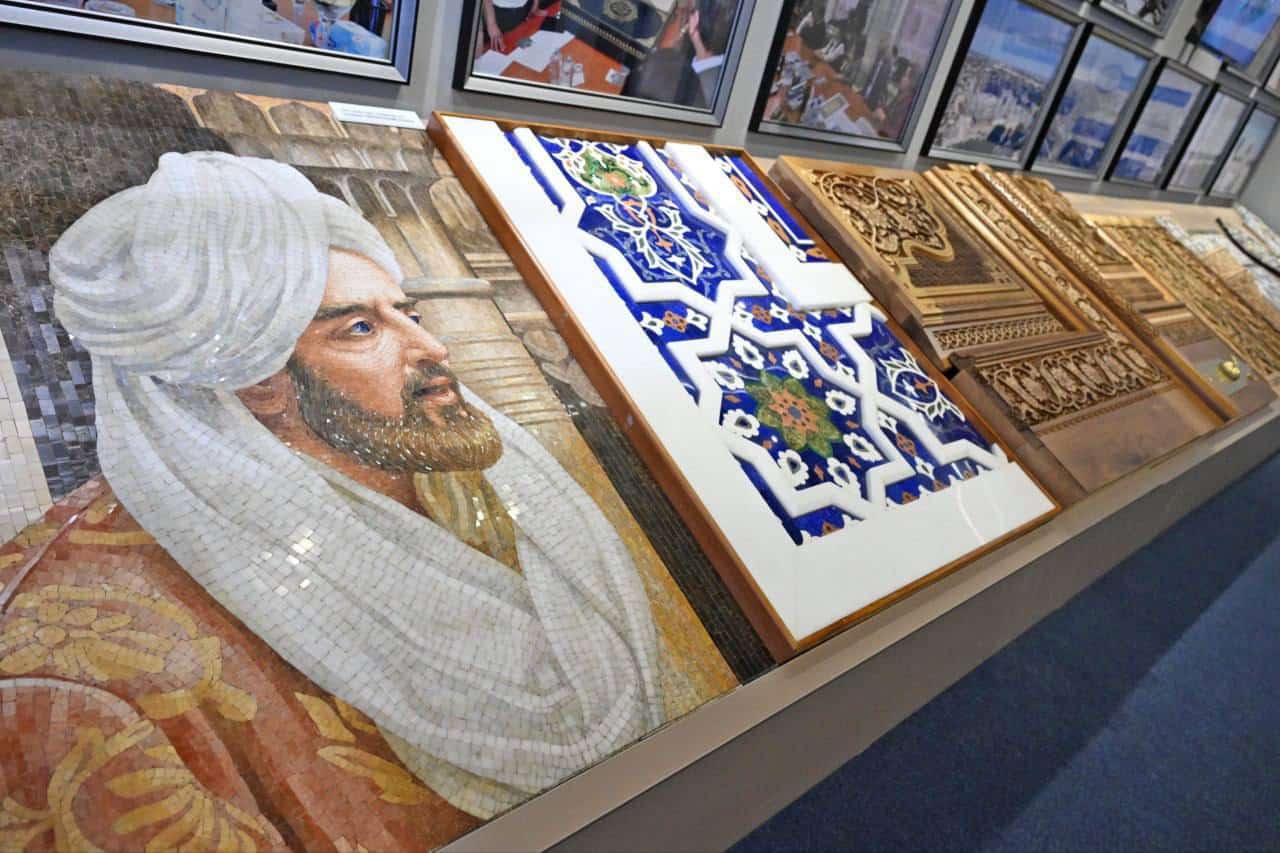
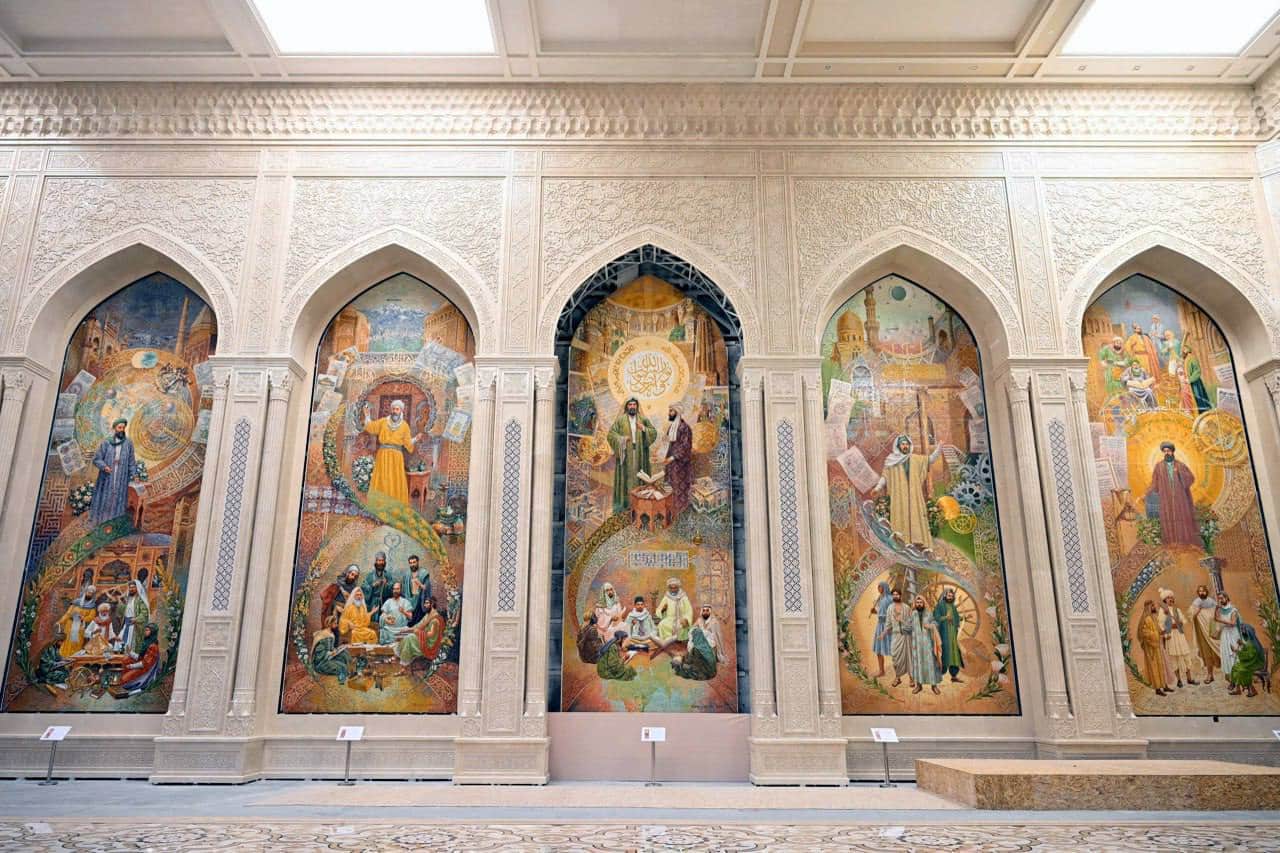
Furthermore, the center’s exhibition extends far beyond what a typical religious museum can offer. It covers several major historical layers, from pre-Islamic civilizations to modern Uzbekistan. The center also houses materials on the greatest scholars, thinkers and theologians whose legacy is linked to the region — from Al-Khwarizmi and Avicenna (Ibn Sina) to Mirzo Ulugh Beg and Alisher Navoi. Particular attention is paid to Islamic education, as well as to the role of women who supported science and culture throughout history.
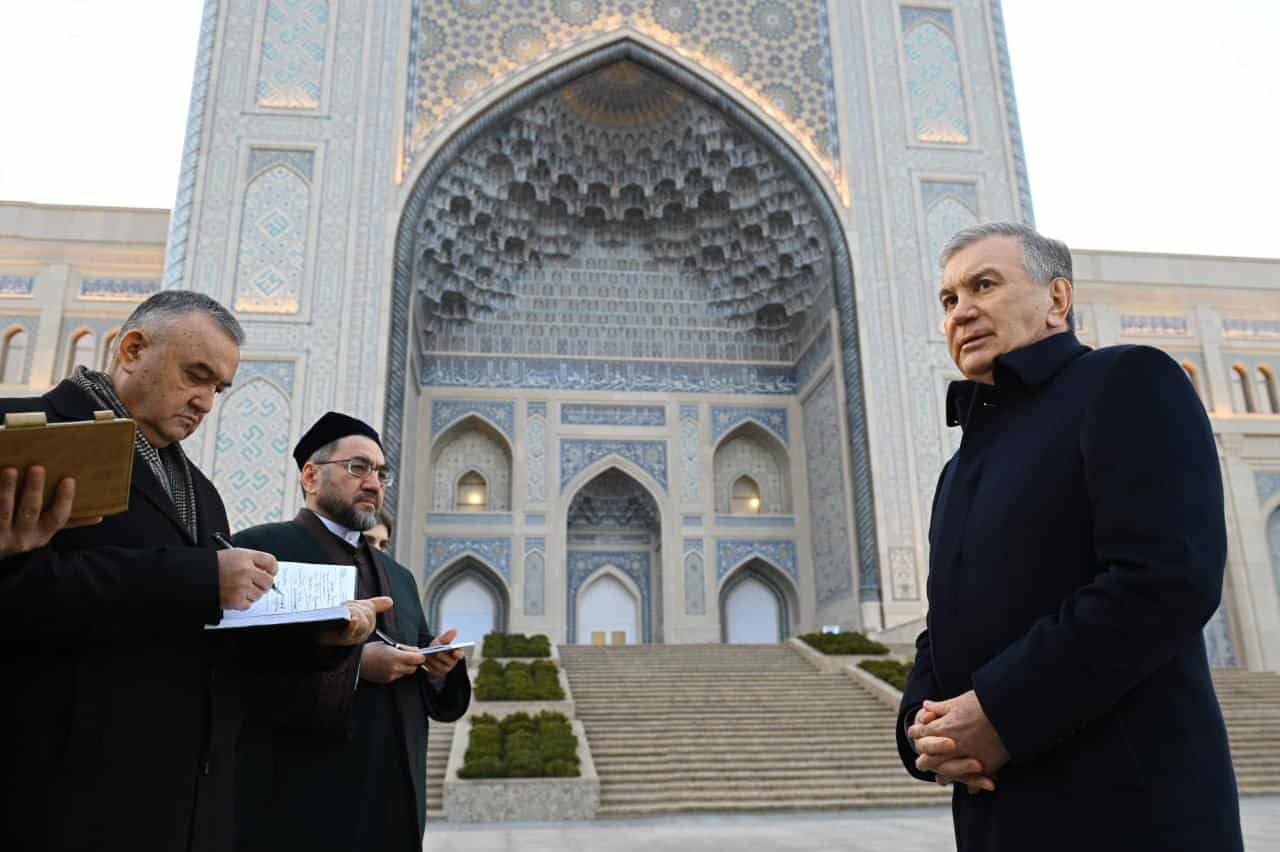
It is worth noting that President Mirziyoyev closely monitored the construction of the center. On Jan. 29, 2025, he visited the site and reviewed the concept of future exhibitions, the complex’s architecture and the content of key halls, emphasizing that the center should be more than just a repository of artifacts. As the president noted, it must serve as a vibrant intellectual space connecting history, science, education and national identity.
This vision has been the foundation of the project from the very beginning. The center was conceived as a strategic cultural facility — not merely for external impact, but as a platform through which Uzbekistan reinterprets and presents its civilizational heritage to the world. In this context, recognition from the Guinness World Records is a logical continuation of the overall concept. The organization’s representative highlighted the museum’s scale, along with the richness of the space and the extensive work behind the project. In fact, this recognition reflects a project in which architecture, research and cultural diplomacy have come together.
For the Uzbek government, this international recognition of the museum’s role and scale also represents a significant political and cultural signal. In recent years, Uzbekistan has consistently emphasized national heritage as part of its modern state-building efforts. As Mirziyoyev has noted on multiple occasions, such institutions should not simply preserve antiquities, but also introduce them into scholarly discourse, make them accessible to younger generations, and present them to the world as part of a living intellectual tradition. In other words, the center is important not for the ritualistic preservation of the past, but for demonstrating how the past functions in the present.
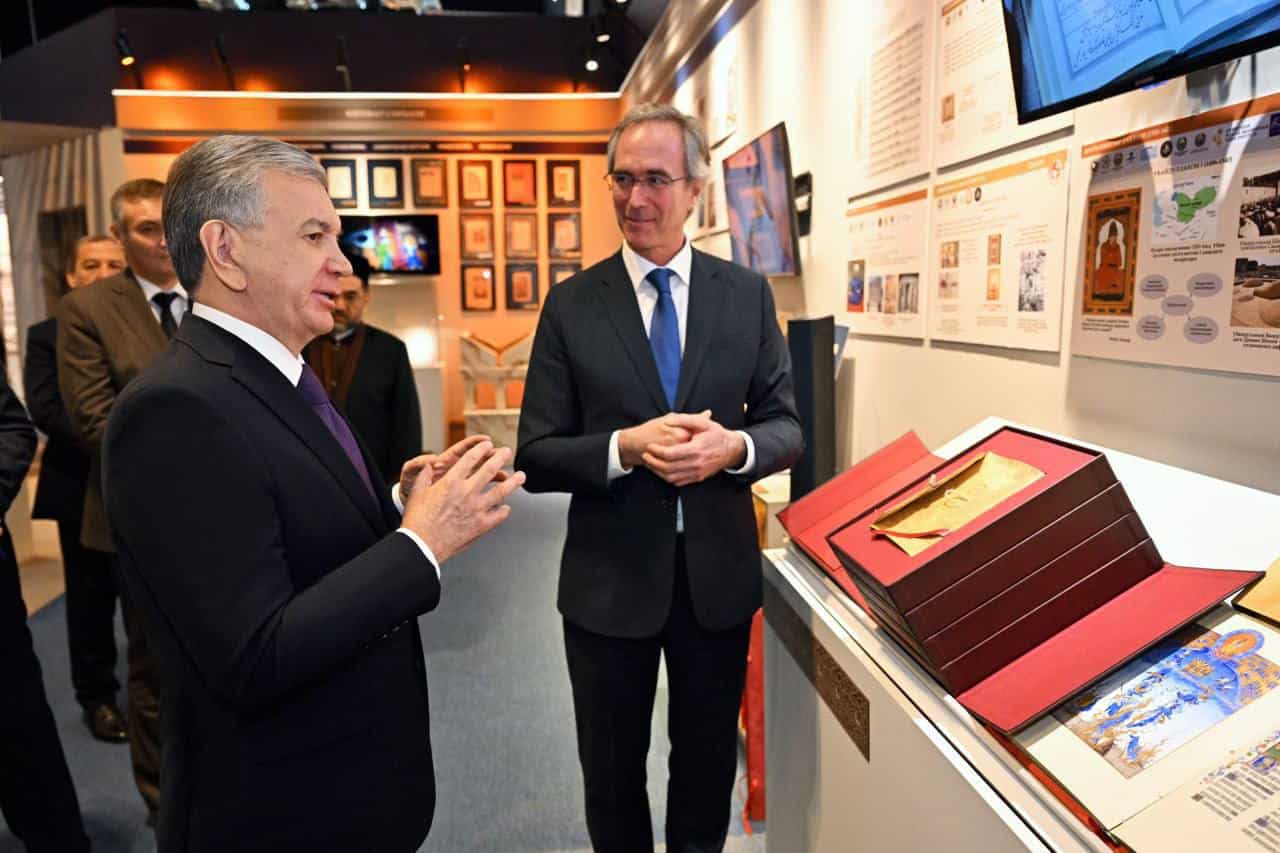
Interestingly, the center has already become one of the most visited cultural venues in the region, with visitor numbers reaching several thousand per day. This suggests that the project has evolved into a genuinely popular attraction, not only a symbolic state initiative.
The Guinness World Records recognition ultimately confirms one key point: Uzbekistan has created a site that lays claim to being one of the world’s leading Islamic heritage museums — in formal designation, the scale of its design, the depth of its content and the ambition of its cultural mission.