
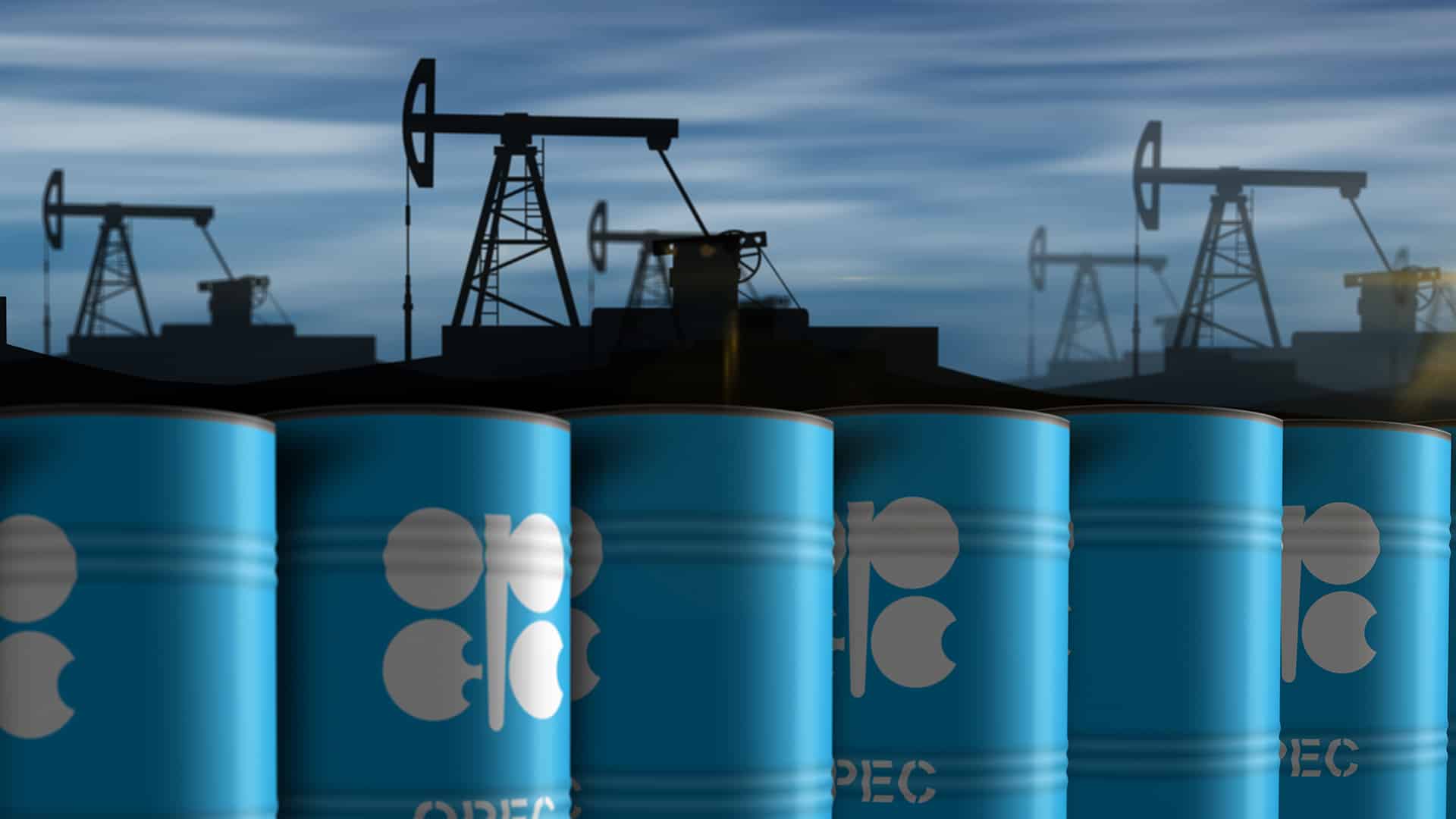
The United Arab Emirates will withdraw from OPEC and the broader OPEC+ alliance on May 1, ending nearly six decades of membership to pursue a sovereign energy strategy, Gulf News reported.
The decision terminates a partnership that began in 1967, allowing the federation to now determine its oil output independently of group mandates.
Read also: Kazakhstan’s oil strategy: Could it spark an OPEC+ exit?
The strategic shift follows what officials described as a «careful and long review» of the country’s production capacity and national goals. Energy Minister Suhail Mohamed al-Mazrouei told Reuters in a telephone interview that the move is a policy decision intended to provide the flexibility to respond to market demand at the right time.
By removing what analysts describe as a «production quota straitjacket,» the UAE is positioned to independently pursue its target of increasing output capacity to 5 million barrels per day by 2027.
Read also: IMF trims 2026 growth forecast for Gulf nations.
Notably, the move also exposes a widening rift between Abu Dhabi and Riyadh, the leader of the OPEC, who have increasingly clashed over regional geopolitics and the race for foreign capital.
Minister al-Mazrouei noted that the ongoing war involving Iran and subsequent shipping constraints in the Strait of Hormuz mean the UAE’s departure is unlikely to cause immediate price volatility. Despite the exit, officials emphasized that the UAE will continue to engage with global producers and consumers to ensure energy stability.