
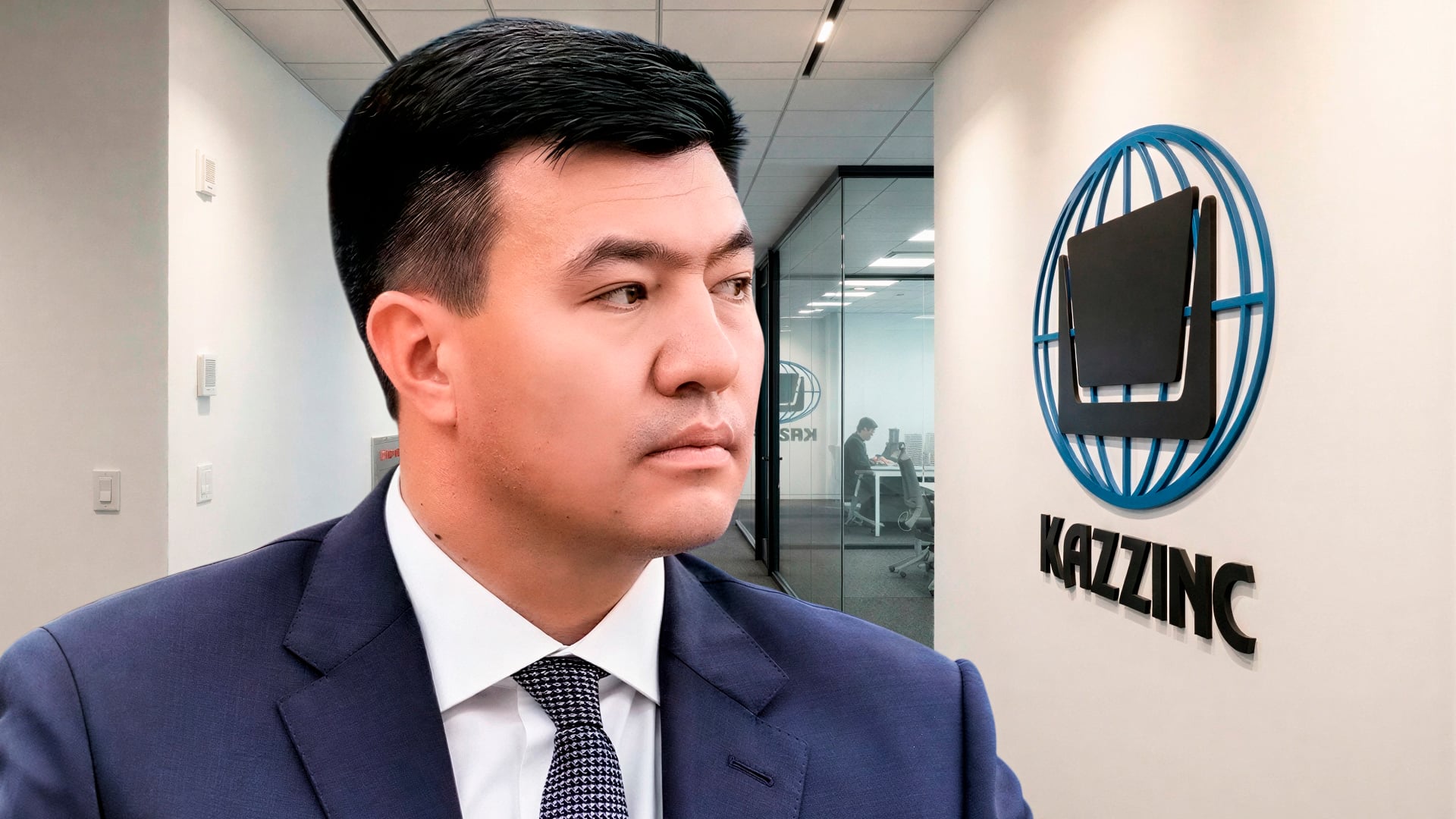
The explosion at the Kazzinc plant in Ust-Kamenogorsk on May 5, 2026, which killed two people, has again drawn attention to the company’s environmental and operational challenges. Kazakh analyst Rassul Rysmambetov, in comments to Kursiv.media, discussed the potential sale of Kazzinc to businessman Shakhmurat Mutalip (on photo) — and why, in his view, the country should be cautious about allowing foreign investor Glencore to exit.
Ownership structure and potential sale
Glencore has been Kazzinc’s largest shareholder since 1997 and currently owns 70.2% of the company. Another 29.8% is held by Tau-Ken Samruk, subsidiary of Kazakhstan’s sovereign wealth fund Samruk-Kazyna.
In recent months, the market has actively discussed the possible sale of Glencore’s stake. According to Bloomberg, Mutalip is among those considering acquiring roughly 70% of Kazzinc. The potential deal has been valued at about $3.5 billion.
Tau-Ken Samruk said in January 2026 that it does not plan to sell its stake.
That same month, reports indicated that Mutalip registered two entities at the Astana International Financial Centre — KazZinc Group Ltd. and Central Asia Resources Holding Ltd. — though no official confirmation of a Kazzinc transaction has followed.
Who is Shakhmurat Mutalip
Mutalip owns Integra Construction KZ, serves as president of the Kazakhstan Boxing Federation (since 2024), and has been vice president of the National Olympic Committee since 2025. In 2025-2026, he has expanded his portfolio, including acquiring one of the country’s major gold producers, Altynalmas.
Environmental concerns take center stage
Rysmambetov argues that the situation around Kazzinc cannot be viewed solely through the lens of the recent fatal accident. According to him, environmental concerns have been building for years.
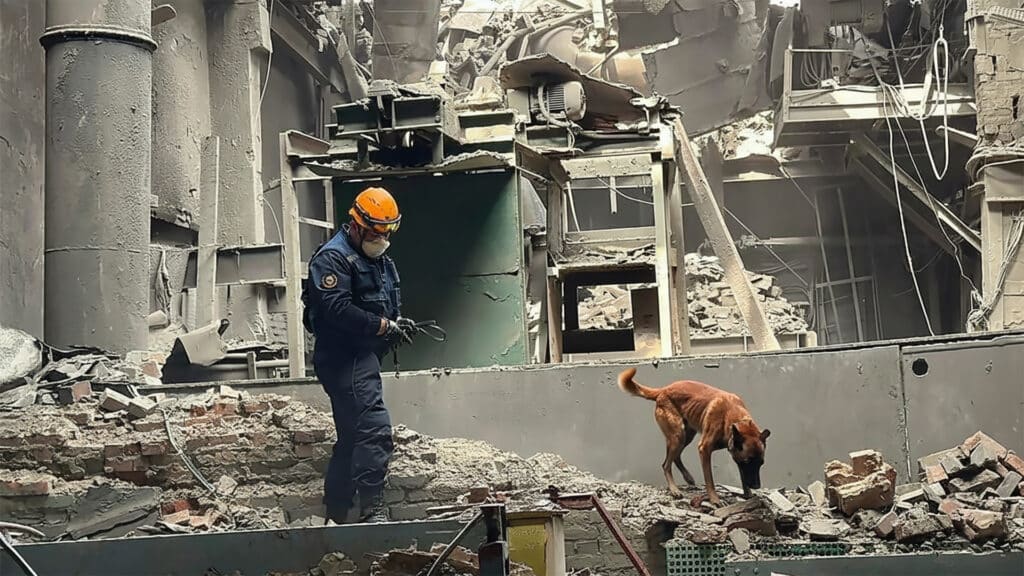
«Kazzinc is probably one of the largest polluters in East Kazakhstan. The government ignored this for a long time, and then began to address it — but I haven’t seen the kind of large fines imposed on plants in East Kazakhstan that we’ve seen for oil companies in the west,» Rysmambetov said.
The analyst added that environmental conditions in Ust-Kamenogorsk have long been a source of concern for local residents.
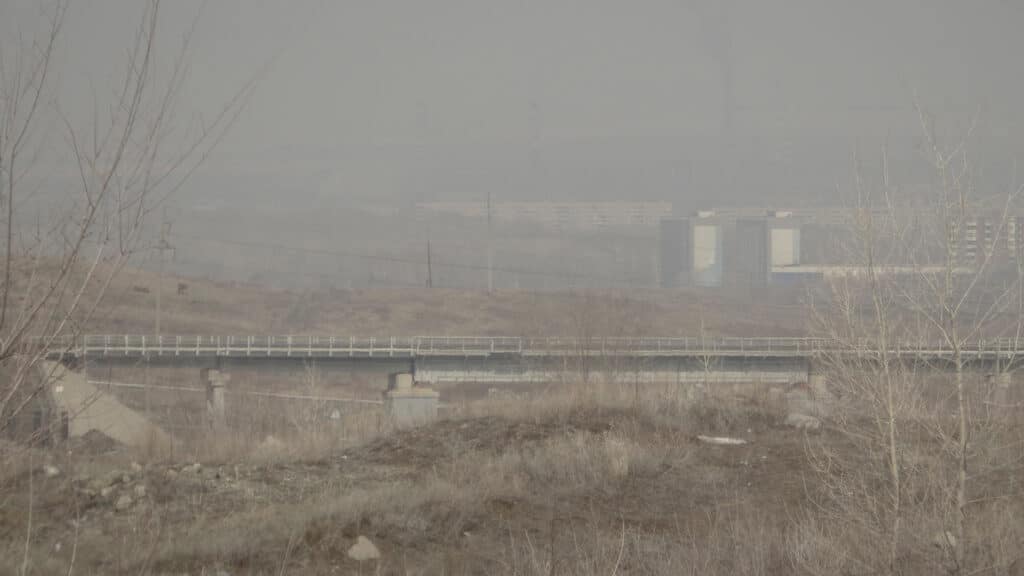
«Anyone who has been to Ust-Kamenogorsk knows the air there isn’t clean — you can taste metal. People are already being advised not to go outside,» he said.
Modernization over ownership change
In Rysmambetov’s view, the key issue is not a rapid ownership change but whether investors are willing to commit to modernizing production and improving environmental performance.
«We need to demand fundamental steps from investors to improve the environment. It’s striking how much Kazzinc has earned without significant environmental improvements,» he said.
He also questioned the urgency of a potential sale to Mutalip.
«A quick buyout isn’t necessary. Environmental improvements should come first,» he said.
Rysmambetov further raised doubts about the prospective buyer’s financial capacity.
«As far as I know, he does not have sufficient funds to acquire the entire stake. More broadly, I don’t see the point of buying Kazzinc until its environmental performance improves,» he said.
He warned that a sale could shift the burden of costly environmental upgrades onto Kazakh owners, while foreign investors exit without bearing those costs.
Read also: The ‘local 5%’: Kazakh mining giant ERG faces new ownership rules in the DRC.