
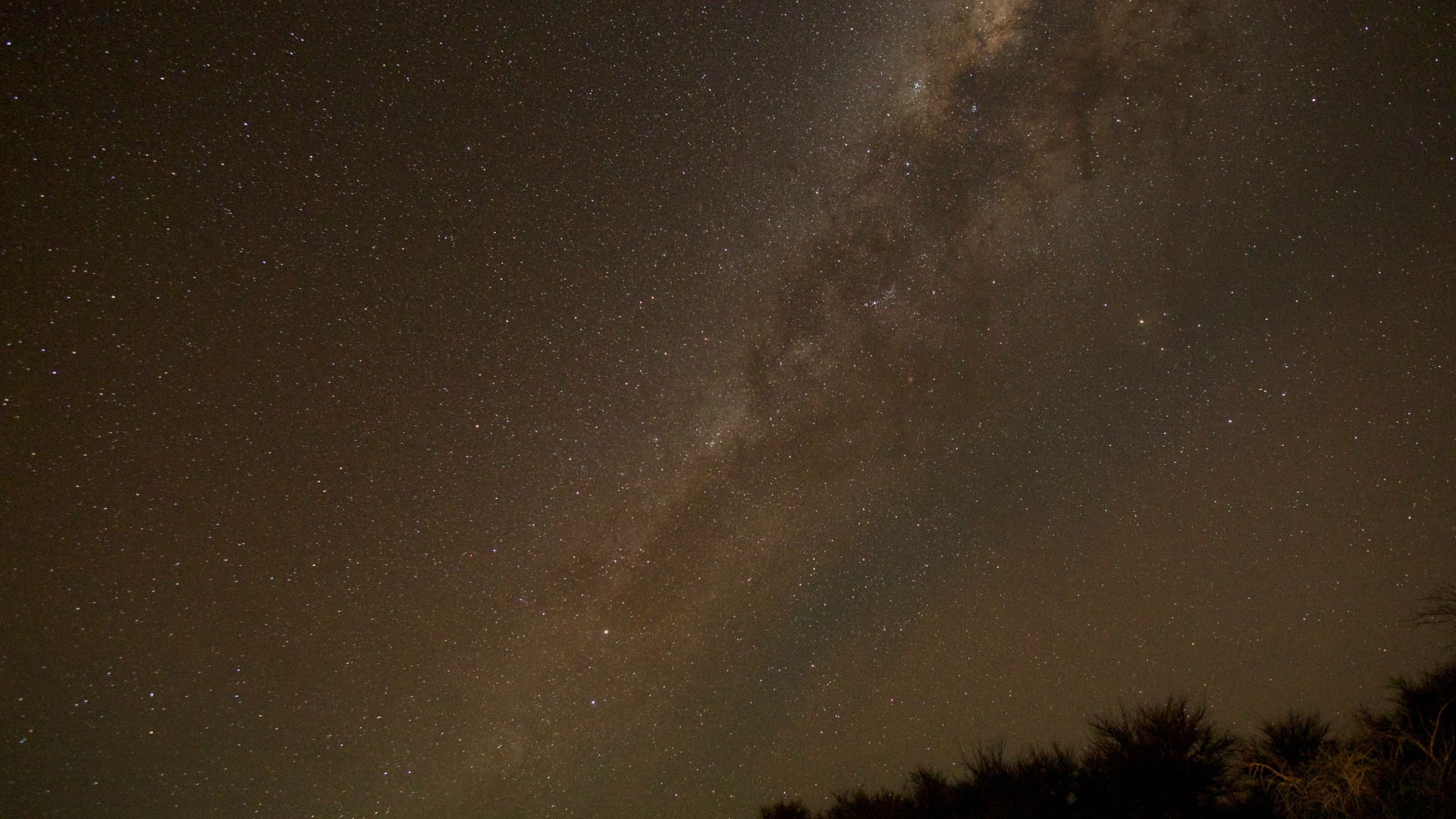
Chile’s Atacama Desert, widely regarded as one of the darkest places on Earth, is facing rising levels of light pollution that could threaten its status as a leading location for astronomical research, the BBC reported.
The remote desert is home to some of the world’s most advanced observatories, including the Paranal Observatory, where exceptionally dark skies, clear weather and high-altitude conditions have enabled major astronomical discoveries.
However, astronomers report a noticeable increase in light pollution around the Atacama in recent years, warning that even small increases in sky brightness can affect observations at facilities designed to detect faint and distant objects in the universe.
The issue reflects a broader global trend. As artificial lighting expands, fewer stars are visible to the naked eye and scientists have raised concerns about the impact on astronomy, ecosystems and people’s connection to the natural night sky.
One recent concern involved a proposed industrial project near the Paranal Observatory. Although the project was ultimately not pursued, astronomers argue that the debate highlighted weaknesses in existing regulations. Current rules are based on standards developed decades ago and researchers say they do not adequately protect locations with exceptionally dark skies.
In 2025, the International Astronomical Union updated its guidance, recommending stricter protection measures for observatories with very low levels of light contamination. Scientists are also calling for stronger monitoring and enforcement mechanisms to allow authorities to respond when light pollution exceeds acceptable levels.