
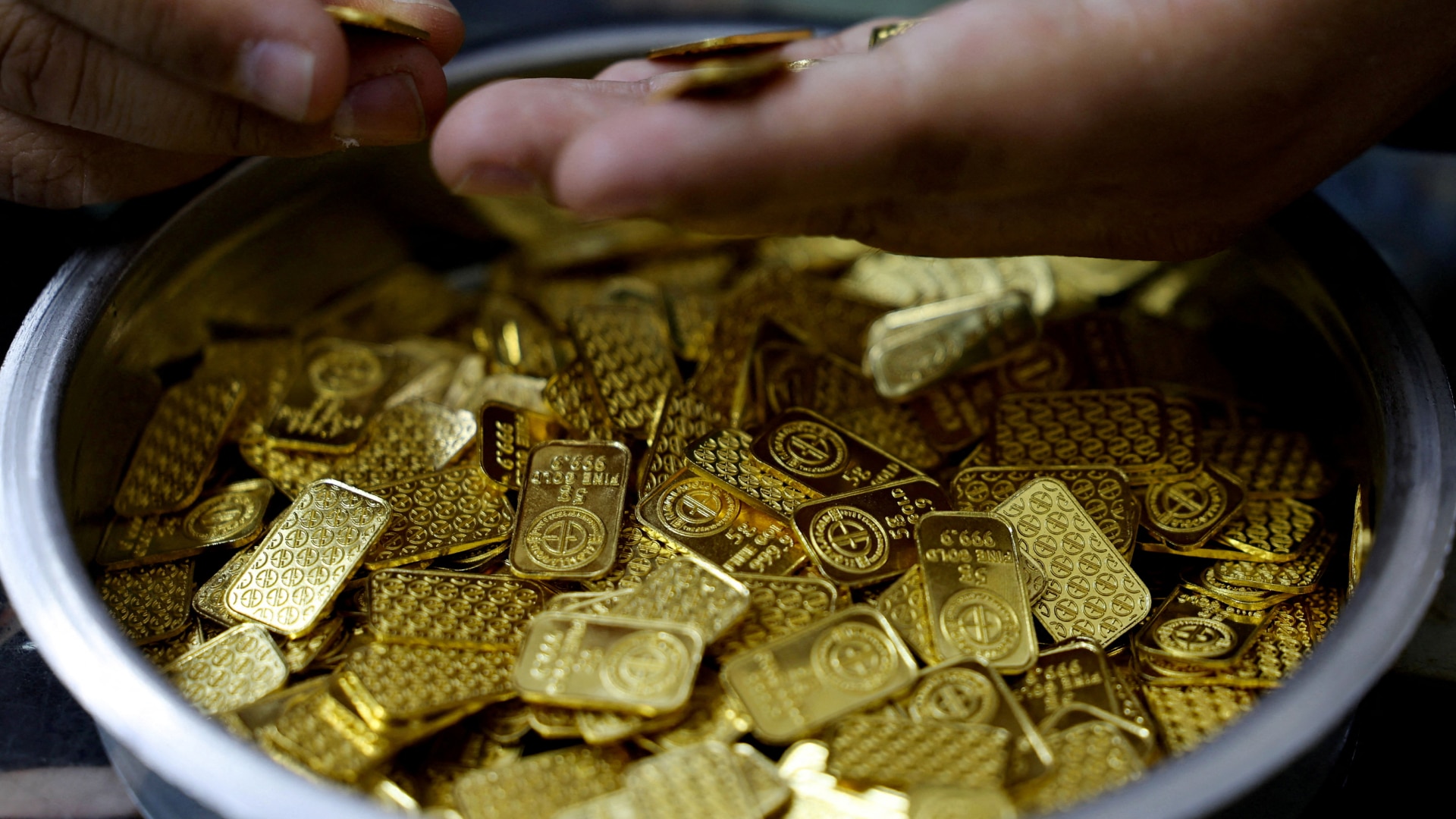
The 17.78% drop in gold prices since the start of the Iran conflict falls outside historical norms, according to analysts at Halyk Finance. In a recent report, they noted that the metal could gain as much as 30% over the next 12 months.
Liquidity shock drives early decline
The outbreak of the U.S.-Iran conflict triggered a wave of selling by large funds seeking to manage portfolio losses amid stock market volatility. Investors offloaded their most liquid assets — primarily gold — to raise cash.
Read also: How global gold reserves shifted from 2019 to 2024 (infographic).
Additional pressure came from the Central Bank of Turkey, which sold about 50 tons of gold through swap transactions. Together, these factors created a significant liquidity shock, contributing to a 17.78% decline in gold prices during the first month of the conflict.
Stagflation risks support bullish outlook
Despite the initial drop, analysts emphasize that global geopolitical risks remain elevated, reinforcing demand for safe-haven assets such as gold.
They also point to first-quarter 2026 economic data indicating rising global stagflation risks — a scenario in which inflation increases while GDP growth slows. Combined with ongoing pressure in energy markets, this environment could support higher prices for both gold and gold-mining equities.
Historical data point to recovery
Halyk Finance analysts reviewed gold price behavior over the past 50 years, examining 28 major geopolitical and macroeconomic events.
Their findings suggest that while shocks can initially push gold prices lower, the metal typically rebounds over the following months. The historical median return across such events is +4.61%.
«Historical patterns show that gold’s defensive qualities are most evident during stagflation. Despite early volatility, prices tend to enter a sustained upward trend in the second half of the year, with a median return of 10.97% over a 12-month period,» the analysts said.
They added that in more favorable scenarios, annual returns can reach as high as 30% in 75% of cases.
Read also: Kazakhstan’s new taxes target ‘excess profits’ in uranium and gold.
Notably, according to Halyk Finance estimates, gold would need to rise by approximately 23.99% from current levels to realign with its historical macroeconomic trajectory.