North Korea drops unification goal and defines borders in new constitution

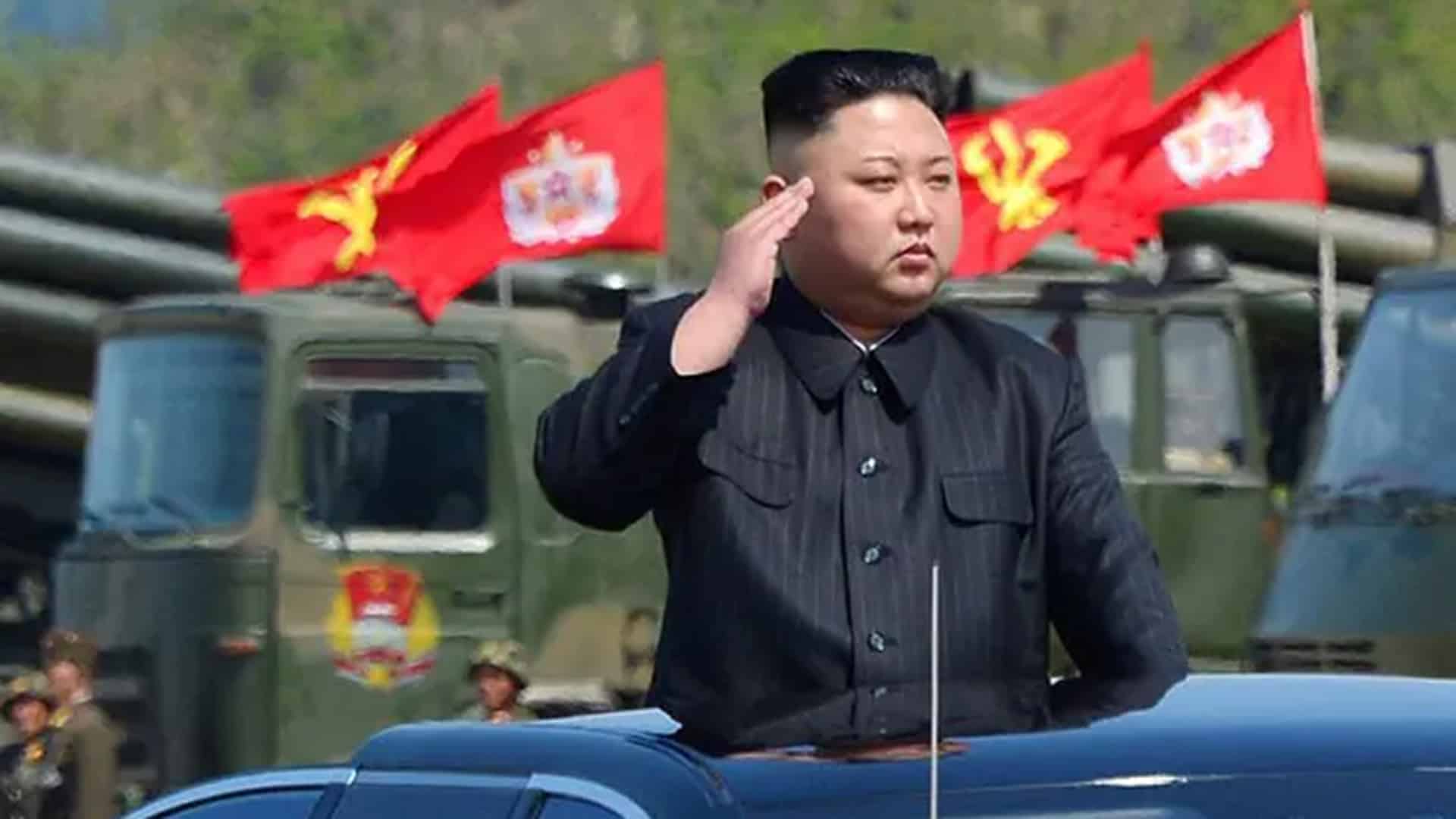
North Korea has revised its constitution to include a new definition of its territorial boundaries while removing all language related to reunification with South Korea, according to Yonhap News Agency.
Under the updated document, North Korea describes its territory as extending from its borders with China and Russia in the north to South Korea in the south.
Pyongyang originally adopted its constitution in September 1948. The document was amended five times before the country introduced a socialist constitution in 1972. Following 12 additional revisions, authorities amended the constitution again in March and removed the word «socialist» from its official title.
Read also: South Korea to honor 1980 Gwangju uprising in new Constitution.
Despite expectations, the revised constitution does not label South Korea as the country’s «principal enemy,» even though North Korean leader Kim Jong Un previously described Seoul as a hostile state.
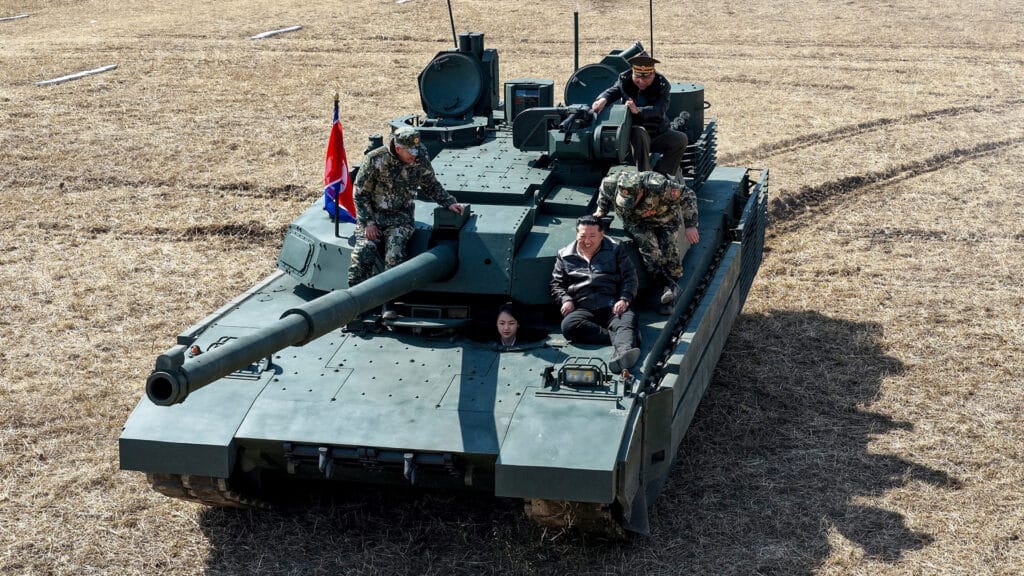
Consistent with Kim’s «two-state» approach, the constitution also eliminates all references to Korean reunification. Phrases such as «peaceful reunification» and «great national unity» no longer appear in the text.
The revised document further omits references to the accomplishments of North Korea’s founder Kim Il Sung and former leader Kim Jong Il, the father of the current leader.
Speaking at a conference, Lee Jung Chul, a North Korea specialist at Seoul National University, said the constitutional changes may reflect Pyongyang’s attempt to present itself internationally as a more conventional state.