
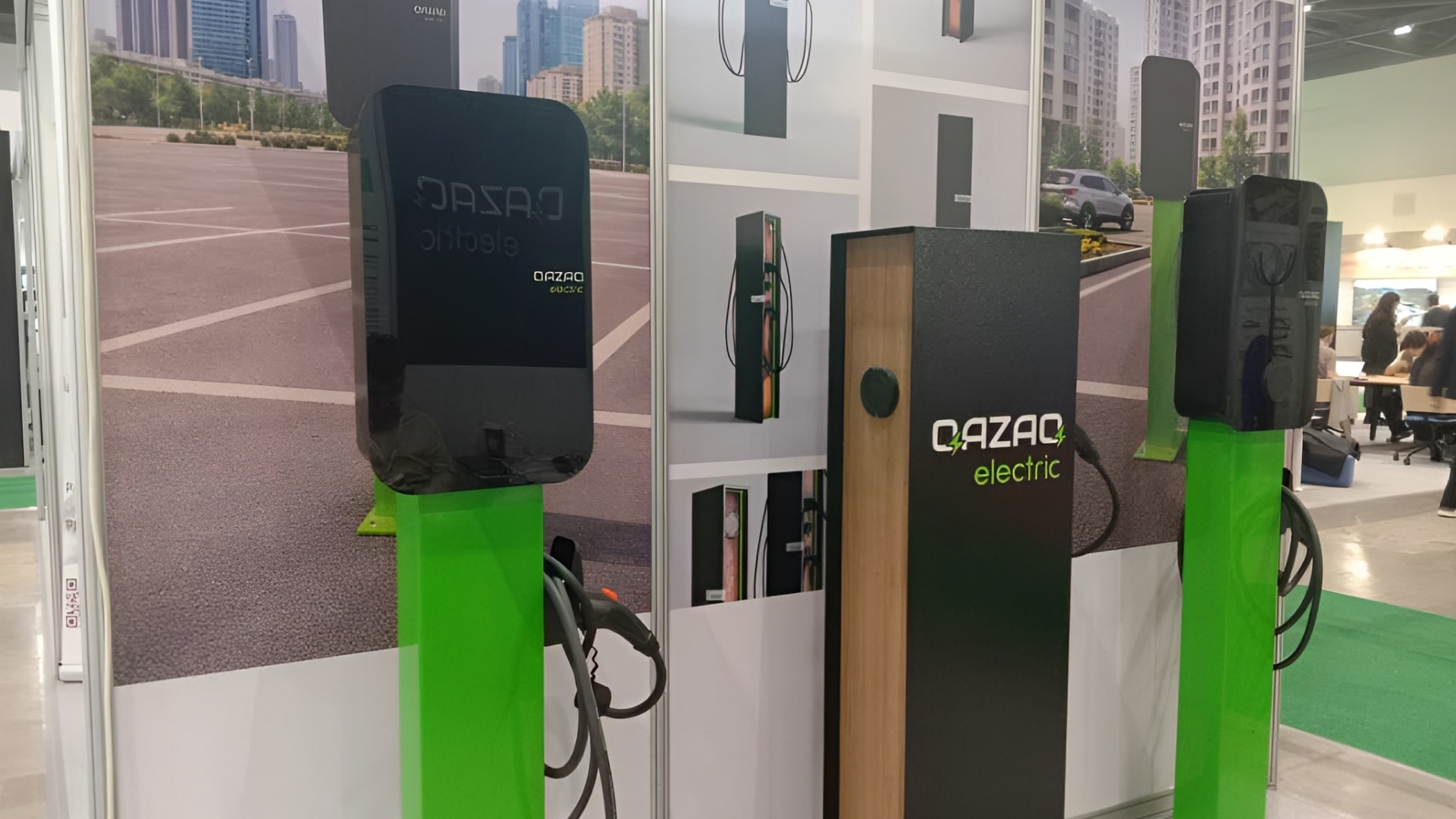
Qazaq Electric Ltd. plans to develop a network of electric vehicle charging stations in Kazakhstan in collaboration with the S. M. Kirov Machine Building Plant and defense firm Aselsan Engineering. Company Director Renat Zheksembayev announced the plans in an interview with Kursiv.media.
«We produce stations ranging from 22 kW to 90 kW, suitable for charging in residential areas and office buildings,» Zheksembayev said.
He noted that similar charging stations are already available in Russia under the Touch brand, a major Russian player in the production and development of charging station networks.
Focus on residential charging
«These are AC chargers; they do not provide fast charging because we are currently experiencing capacity constraints and electricity shortages,» Zheksembayev said. «Therefore, our strategy is focused more on residential areas and long-term charging so as not to strain the grid.»
He said the company’s main advantage over Chinese charging stations being imported into Kazakhstan is its dynamic power-balancing system.
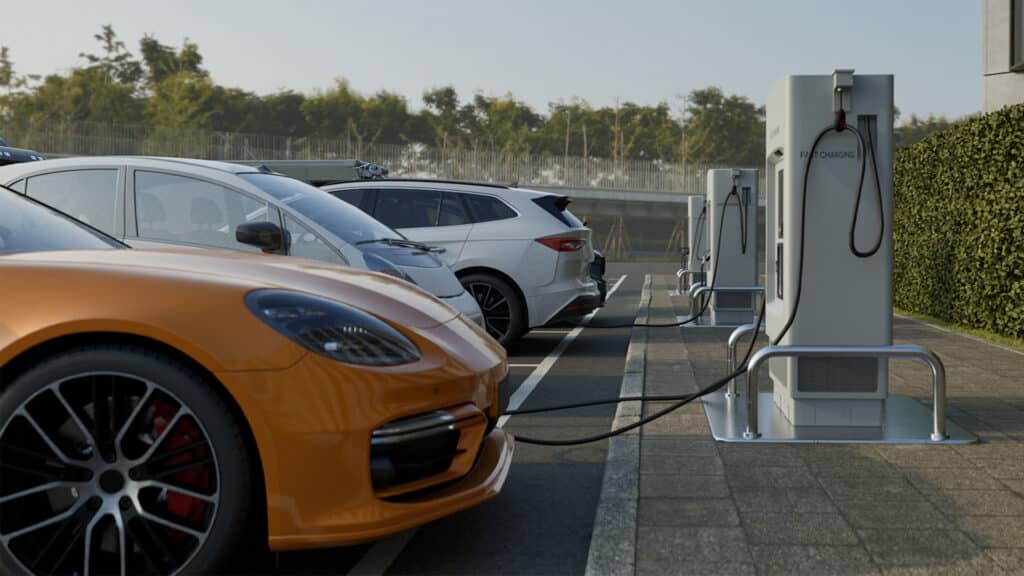
Qazaq Electric’s charging stations are connected directly to residential buildings, while sensors and software monitor electricity consumption to prevent overloading the grid and avoid complaints from residents. This allows charging stations to operate more intensively overnight, after most residents have gone to bed.
According to Zheksembayev, AC charging stations also pose a lower fire risk.
Expansion plans and negotiations
A full vehicle charge takes between three and five hours, although three hours is typically sufficient because most EV owners do not fully deplete their batteries before recharging.
The company plans to negotiate the installation of charging stations with a broader range of clients. Talks are already underway with local housing authorities and property management companies, including residential complexes and homeowners associations.
Zheksembayev said the company has encountered resistance from developers and construction firms. According to him, developers want compensation in the form of rent or payment for the use of space, while Qazaq Electric argues that charging stations primarily benefit EV owners living in those residential complexes and using nearby parking areas.
Push for legislative support
Zheksembayev said the company hopes the issue can eventually be resolved through legislation. In his view, domestic manufacturers should be allowed to install charging stations on developers’ properties free of charge.
He said it remains difficult to predict when electric and hybrid vehicles will become mainstream, but he believes charging stations should eventually be available in every residential building to meet future demand.
One charging station costs about 600,000 tenge, or roughly $1,300, he said. The company also offers a vandal-resistant version at a higher price.