Why marriages fail: Expert blames the childhood Oedipus complex

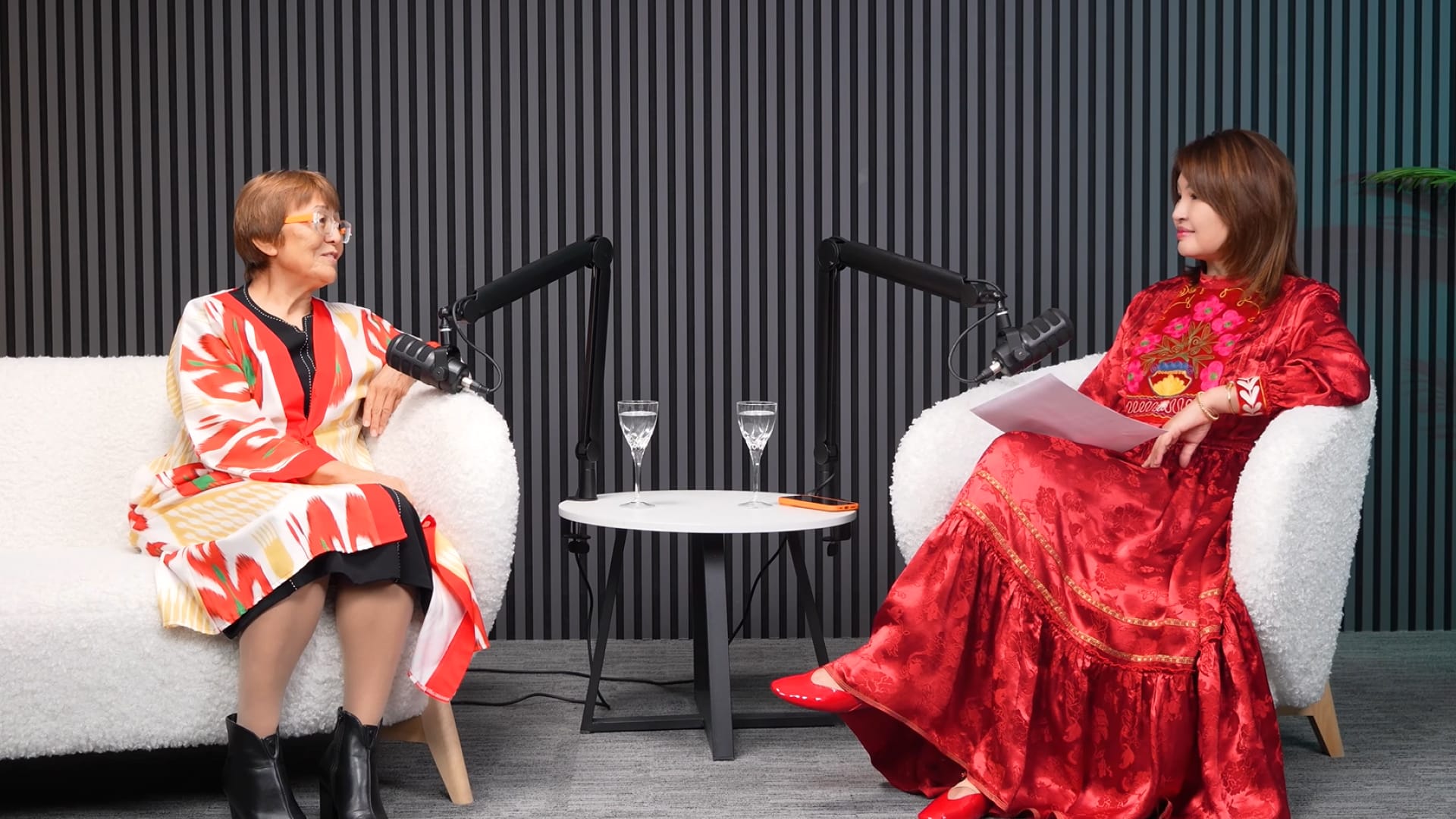
Children raised in dysfunctional families often unconsciously repeat familiar relationship patterns in adulthood, according to a Kazakh psychoanalyst Anna Kudiyarova.
Speaking on the Ainur Asanberdi podcast, Kudiyarova discussed the importance of professional therapy and addressed issues related to marriage, emotional dependency and family relationships.
The psychoanalyst noted that many patterns of behavior in marriage are formed during childhood.
«If a child does not properly go through the stage of attachment and adaptation to the parent of the opposite sex, they may later seek a spouse who psychologically replaces their mother or father,» Kudiyarova said, referring to concepts associated with psychoanalytic theory and the Oedipus complex.
Emotional dependency and family dynamics
Kudiyarova also spoke about men who become emotionally dependent on their mothers. She said psychoanalysis can help people «break free» from excessive parental control and become emotionally mature partners.
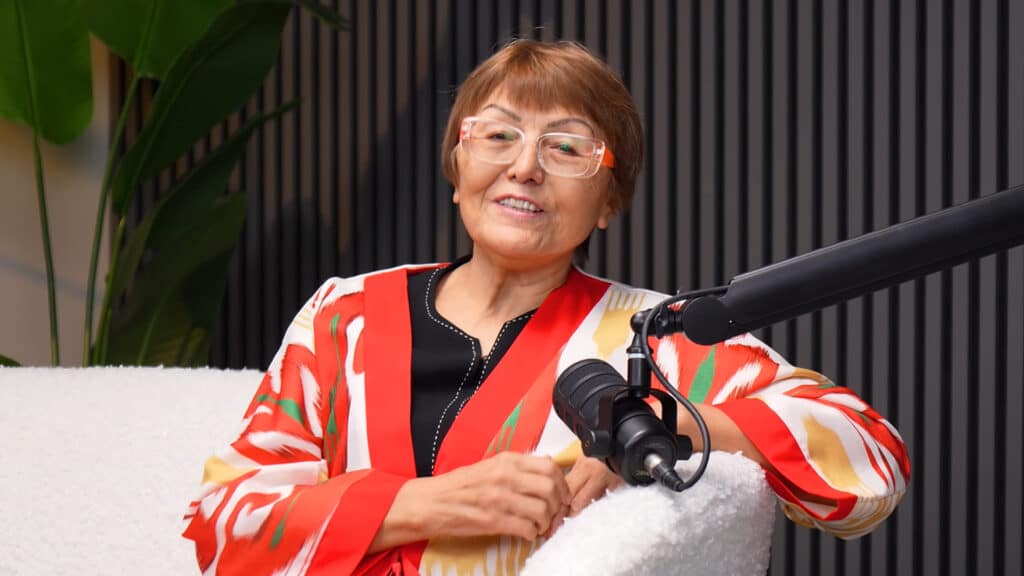
To build healthier relationships and families, she recommended seeking professional psychological support before marriage in order to address unresolved internal conflicts and emotional trauma.
During the interview, podcast host Asanberdi asked whether daughters raised by alcoholic fathers always repeat the same relationship patterns.
Kudiyarova responded that she was unaware of Kazakhstan-specific statistics on the issue but cited what she described as foreign research.
«According to international data, about 10% of women from such families consciously choose healthy partners, while the majority unconsciously choose partners who repeat familiar destructive patterns, as though they are subconsciously drawn to men associated with alcohol,» she said.
Advice for parents
Kudiyarova also offered several recommendations for parents:
- Fathers should spend more time with their daughters, show interest in their children’s lives and participate in school activities.
- Parents should pay attention to both a child’s biological sex and psychological identity.
- Children need emotional support, attentive listening and healthy communication without excessive pressure from adults.
The psychoanalyst emphasized the importance of what she called «emotional hygiene» within families and said open communication can help children develop healthier emotional relationships later in life.