

British artist Anouska Samms is not the only creative experimenting with unconventional materials. While her work incorporates real human hair, fashion history offers plenty of even more surprising examples — from spider silk and algae to milk protein and bacteria-grown textiles.
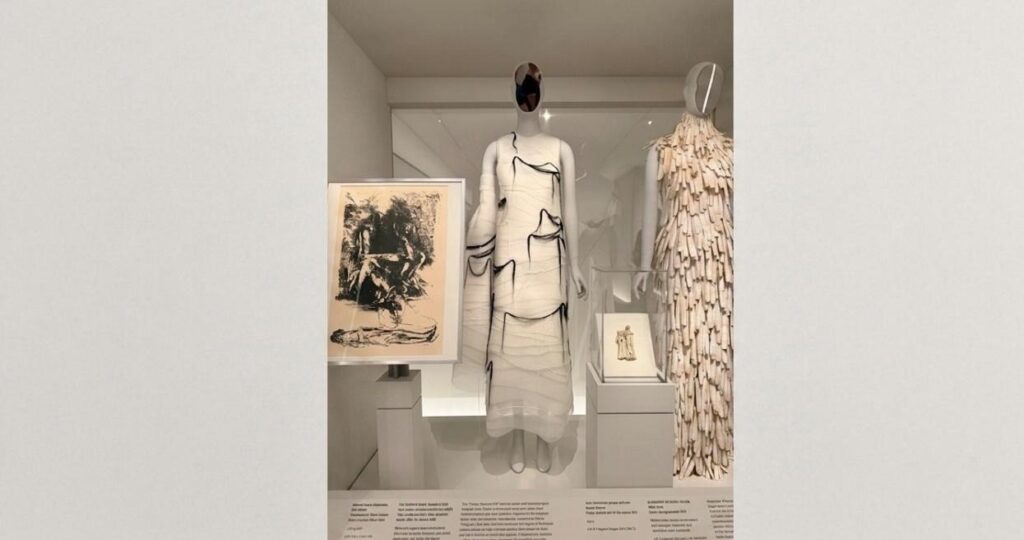
Spider silk: The fabric made from 1.2 million spiders
Spider silk is one of nature’s strongest materials — and one of its most difficult to obtain. Unlike silkworms, spiders cannot be farmed on an industrial scale because they tend to cannibalize one another when housed together.
In Madagascar, however, a team of enthusiasts found a workaround. Over eight years, they collected female golden orb-weaver spiders from the wild and extracted silk from each one by hand. The result was a cape measuring roughly one square meter. Producing it required silk from approximately 1.2 million spiders.
In the 2010s, U.S.-based biotechnology company Bolt Threads developed a way to synthesize spider silk proteins using yeast and produce a fiber known as Microsilk. The fashion industry quickly took notice. Microsilk neckties, priced at more than $300 each, sold out almost immediately despite an initial run of just 50 pieces.
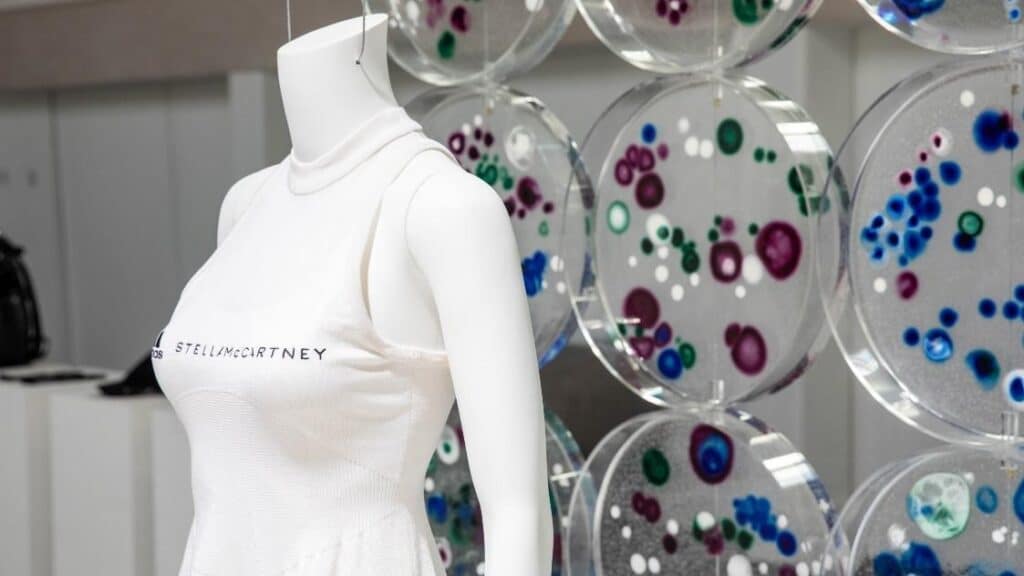
In 2019, Stella McCartney and adidas showcased a concept tennis dress made from Microsilk. The material was lightweight, durable and biodegradable — qualities that continue to attract interest from sustainable fashion innovators.
Algae: Clothing that responds to its environment
Designer Scarlett Yang, a graduate of Central Saint Martins in London, created a dress made from algae and silk proteins that effectively behaves like a living organism. The garment changes shape in response to humidity and temperature, reacting dynamically to its environment.
The fashion potential of algae extends far beyond experimental couture. London-based startup Post Carbon Lab won a Kering award for research aimed at creating garments that are not merely carbon-neutral but carbon-negative.
Because algae are living organisms capable of photosynthesis, clothing made from algae-based materials could theoretically absorb carbon dioxide and release oxygen. According to the company’s estimates, a large T-shirt could generate as much oxygen as a six-year-old oak tree.
Milk: Turning dairy waste into luxury textiles
Milk-based fabric is made from casein, a protein found in milk. The material dates back to the 1930s, when it was first produced in Italy and Germany. Soft, hypoallergenic and often compared to cashmere, milk fiber was once considered a promising textile innovation.
In the early 2010s, German designer Anke Domaske revived the technology, developing a process to create milk fiber without chemical additives. NPR later highlighted the project, describing it as «udderly amazing.»
Today, milk fiber is produced in several countries, including China, and appears in niche fashion collections as a luxury, environmentally friendly alternative to synthetic fabrics.
Pineapple leaves: A centuries-old innovation
Piña fabric is one of fashion’s oldest unconventional textiles. It has been produced in the Philippines since the 16th century, when Spanish colonists introduced pineapples to the islands and local artisans adapted traditional weaving techniques to the plant’s leaves.
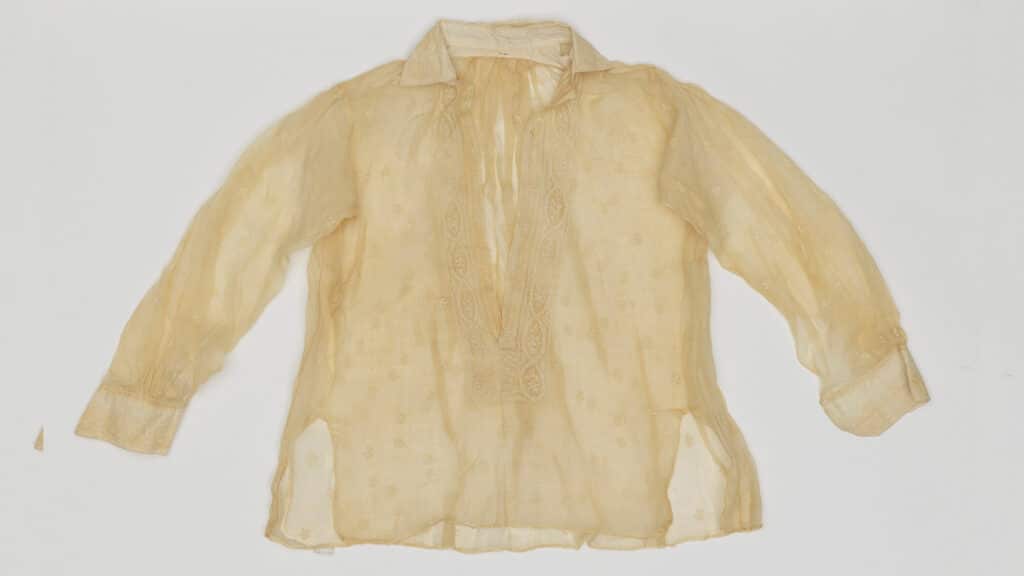
The resulting fabric is lightweight, delicate and nearly translucent, with a subtle silky sheen. It remains a popular choice for formal shirts, eveningwear and wedding gowns.
Bacteria: Growing clothing in a laboratory
Perhaps the most radical material on this list is also among the most promising.
At the BioCouture project, researchers «grew» textile material by cultivating bacteria in a solution of green tea. The microorganisms produced cellulose, forming a thin film that, once dried, resembled plant-based leather. The material could be dyed, shaped and cut like conventional fabric.
One of its most attractive features is that garments made from bacterial cellulose can be composted at the end of their life cycle.
The project’s founder, Suzanne Lee, envisions a future in which clothing is created from living microorganisms and effectively grows rather than being manufactured. Today, the concept still sounds like science fiction.
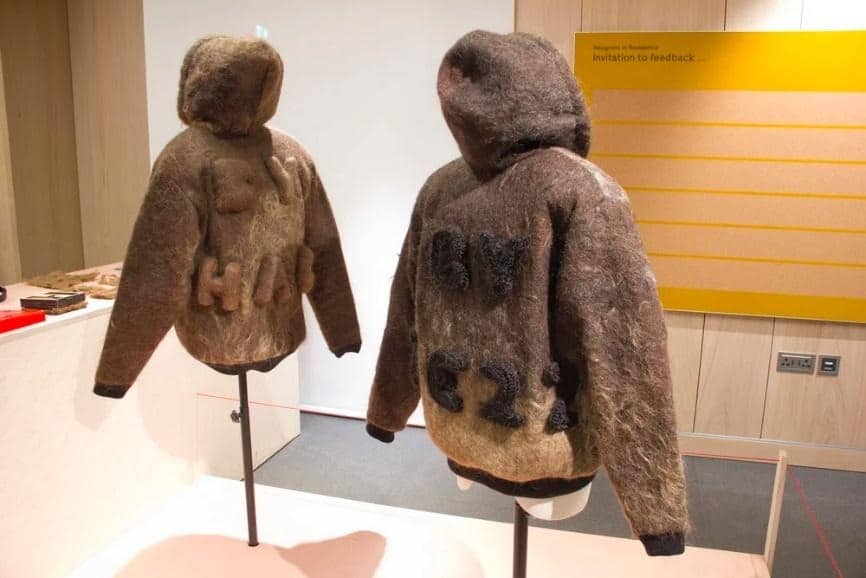
Then again, just two decades ago, a dress made from human hair would have sounded equally futuristic.