
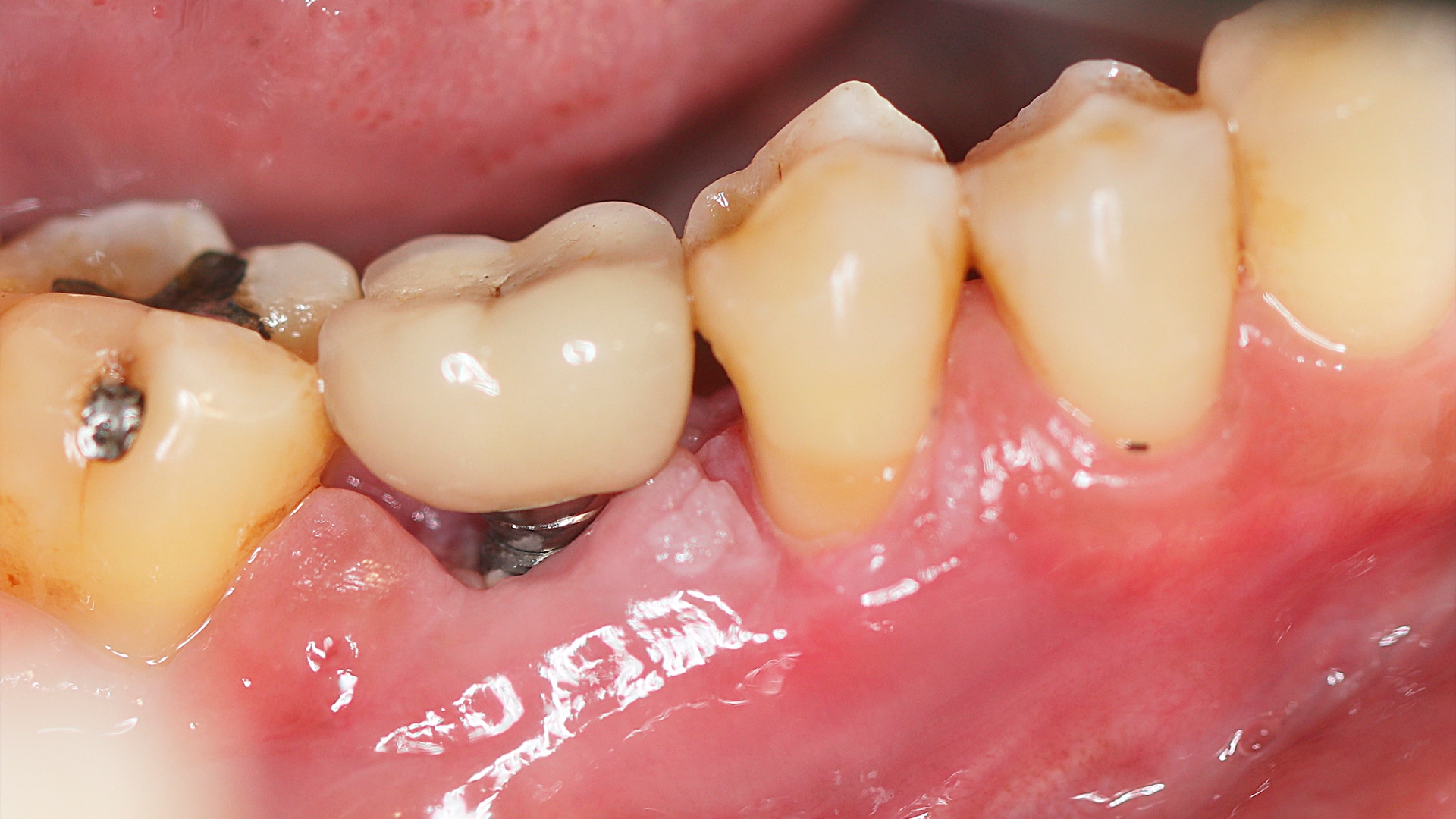
Dental implants have given millions of people the ability to regain full chewing function and avoid removable dentures. However, an estimated 20% of patients eventually develop peri-implantitis, a serious inflammatory condition that affects the jawbone. In many cases, antibiotics are not fully effective.
Researchers from Rutgers University School of Dental Medicine say they have identified a key reason standard antibacterial drugs often fail to treat implant-related inflammation. The findings were published in the journal PNAS Nexus.
Titanium particles may drive bone damage
In the study, scientists found that bone destruction may be driven not only by bacterial infection but also by titanium particles released from implant surfaces coated with acidic bacterial biofilms.
According to the researchers, when macrophages — immune cells responsible for fighting infection — absorb these titanium particles, their normal function is disrupted. Instead of effectively responding to bacteria, the cells become impaired and may contribute to ongoing inflammation that antibiotics cannot resolve.
Why peri-implantitis differs from periodontitis
Peri-implantitis has long been difficult to understand because it closely resembles periodontitis, an inflammatory disease affecting natural teeth. Both conditions typically begin with similar oral bacteria.
However, while professional cleanings and antibiotics are often effective for natural teeth, these treatments are less successful in patients with implants. Studies suggest standard antibiotic therapy fails to control the infection in more than 50% of implant cases, allowing continued deterioration of the jawbone around the implant.
Immune response may be weakened
Researchers also found that immune function appears to be compromised in the presence of titanium particles. In laboratory experiments, macrophages exposed to these particles engulfed significantly fewer bacteria than unexposed cells, reducing the body’s ability to fight infection at the implant site.