UN issues dire 50-year forecast for the Caspian Sea

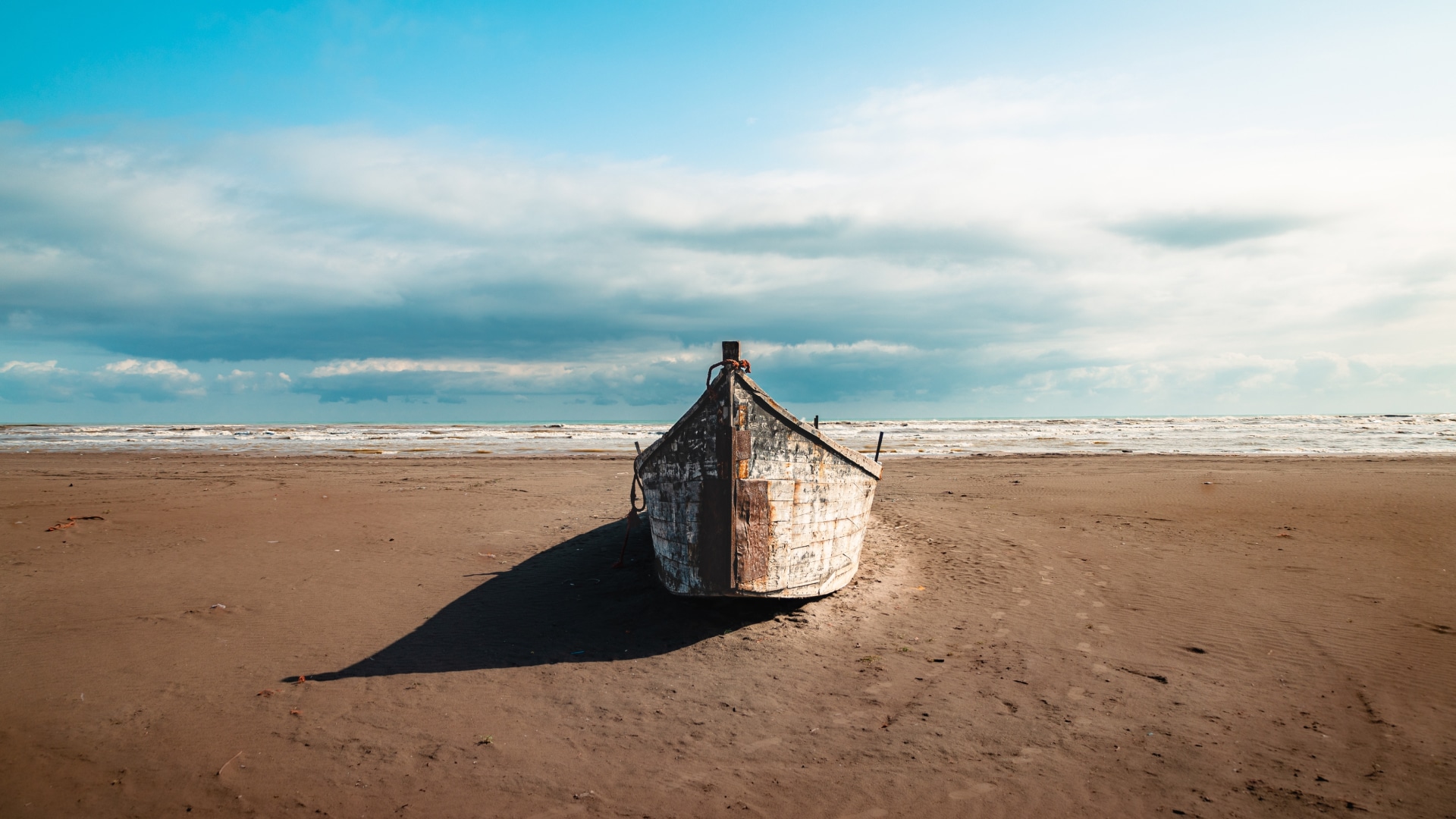
As world leaders marked World Environment Day, environmental experts drew attention to the worsening condition of the Caspian Sea, where water levels continue to decline.
Read also: World’s largest lake is drying up: Caspian Sea water levels drop to record low.
According to United Nations experts, satellite imagery shows vast stretches of newly exposed seabed, while some ports and fishing communities have been left increasingly distant from the shoreline.
Scientists warn that the Caspian Sea’s water level could continue falling for decades. They cite rising temperatures and increased evaporation linked to climate change as the primary drivers of the decline.
The Caspian Sea is of particular ecological importance because it is home to approximately 90% of the world’s remaining sturgeon population.
Kazakhstan expands conservation efforts
Kazakhstan has taken several measures aimed at addressing water-related challenges in the region.
According to Minister of Water Resources and Irrigation Nurzhan Nurzhigitov, more than 35 billion cubic meters of water have been directed toward the Caspian Sea over the past two years.
Nurzhigitov also said the adoption of water-saving technologies has accelerated significantly, increasing fivefold from 30,000 hectares to 150,000 hectares annually.
In 2025, Kazakhstan established the Caspian Sea Research Institute. The institute’s mission is to monitor the sea’s ecosystem, study the causes of declining water levels and develop proposals to help preserve and restore the unique body of water.