

Birth control failure can happen. In such situations, time is critical: emergency contraception can significantly reduce the risk of pregnancy.
To better understand how emergency contraception works and the most common mistakes people make, we spoke with Vera Yazar, an obstetrician-gynecologist at the Horoshiy Doctor («Good Doctor») clinic.
How emergency contraception works
Emergency contraception is used to prevent pregnancy after unprotected sex. The most commonly used options are levonorgestrel-based medications, including Escapelle and Postinor.
Levonorgestrel emergency contraception is effective when taken within 72 hours of unprotected intercourse. The sooner it is taken, the more effective it is. Timing is key.
Can it be used regularly?
While emergency contraception can be used more than once, it is not intended to replace regular contraceptive methods.
«It can be used after every instance of unprotected intercourse, but not as a regular method of contraception. Frequent use reduces cycle predictability and overall effectiveness,» Yazar said.

Common mistakes
Emergency contraception can fail if it is not used correctly. Yazar highlighted several common mistakes.
Taking it too late
The medication should be taken as soon as possible after unprotected intercourse — ideally within the first few hours and no later than 72 hours afterward.
Having unprotected sex again
After taking emergency contraception, people should avoid additional unprotected intercourse or use barrier protection, such as condoms.
Not replacing a dose after vomiting
Another common mistake is failing to take a replacement dose if vomiting occurs shortly after taking the pill. In such cases, the medication may not have had enough time to be absorbed.
If vomiting occurs soon after taking the dose, a repeat dose is generally recommended.
When to take a pregnancy test
Even when emergency contraception is used correctly, follow-up is important.
«A pregnancy test is recommended three weeks after intercourse, or sooner if your period is late,» Yazar said.
Is there a more effective option?
A less widely known but highly effective alternative is a copper intrauterine device, or IUD. It can be used as emergency contraception if inserted within five days of unprotected intercourse — or within five days of ovulation.
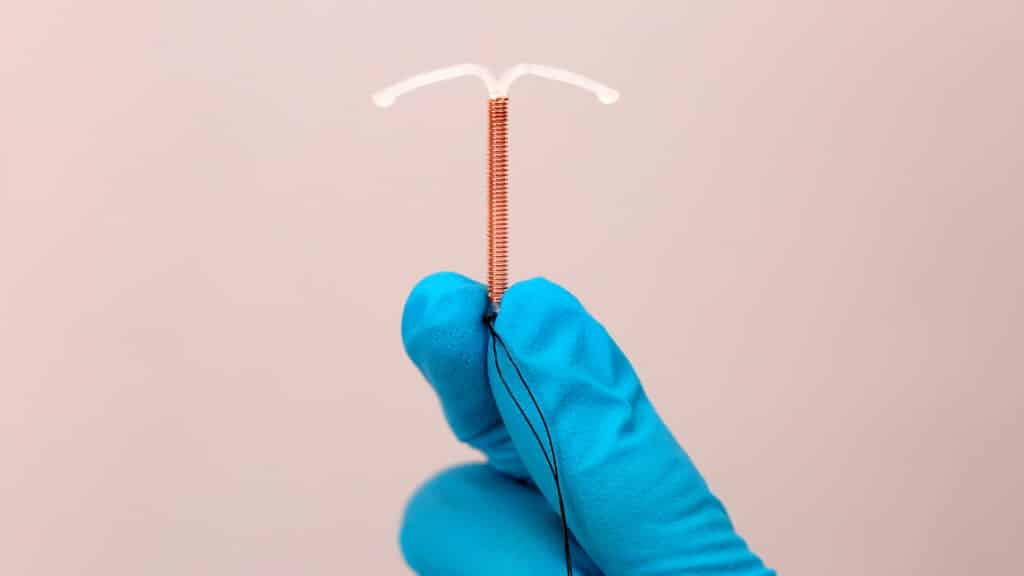
Its effectiveness exceeds 99%.
One advantage of a copper IUD is that it immediately provides long-term contraception after insertion.
However, pregnancy and infection must be ruled out beforehand, and the procedure must be performed by a healthcare professional.
Bottom line
The most important factors in emergency contraception are acting quickly, using the method correctly, and avoiding common mistakes. Individuals should also consider a long-term contraceptive plan to reduce the likelihood of needing emergency contraception in the future.