
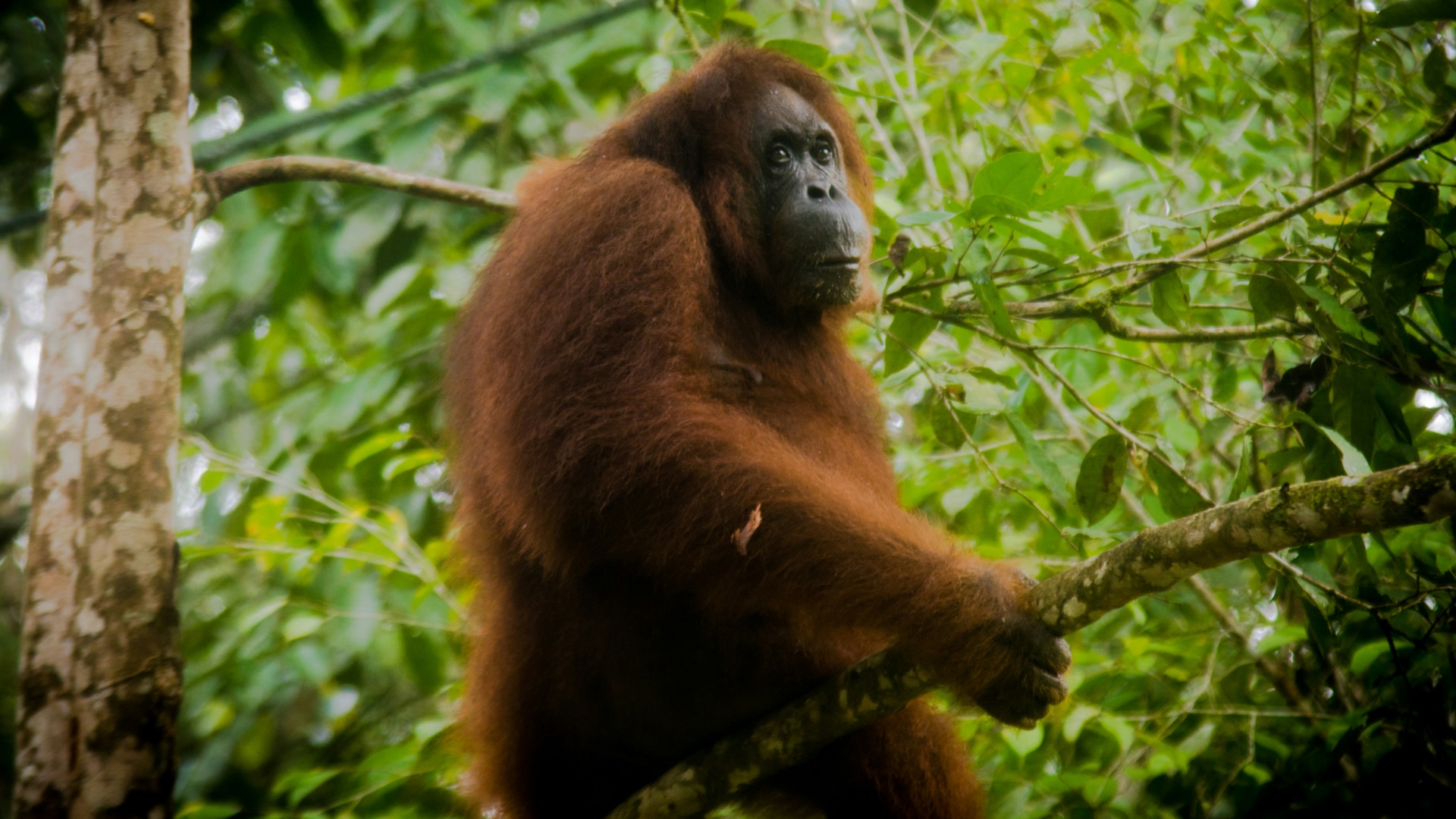
An extreme rainfall event in Sumatra, Indonesia, last November may have killed 58 critically endangered Tapanuli orangutans, according to the BBC.
Four days of intense rain and landslides linked to Cyclone Senyar caused significant losses among the great apes, making the event a major setback for one of the world’s rarest primates. The estimate does not include additional impacts from forest canopy damage or reduced food availability caused by the storm.
The study found that extreme rainfall can directly threaten the survival of great ape populations. Researchers also noted that human-induced climate change likely contributed significantly to the severity of the weather event.
Cyclone Senyar struck Sumatra in late November, triggering Southeast Asia’s deadliest natural disaster of 2025. Following the storm, sightings of Tapanuli orangutans declined sharply, while reports from affected areas suggested some animals had been killed by floods and landslides.
Scientists warned that extreme rainfall events in the region are expected to become more frequent and intense, increasing risks to the species and its habitat. Previous research has indicated that Tapanuli orangutans could face extinction if annual population losses exceed 1%.