
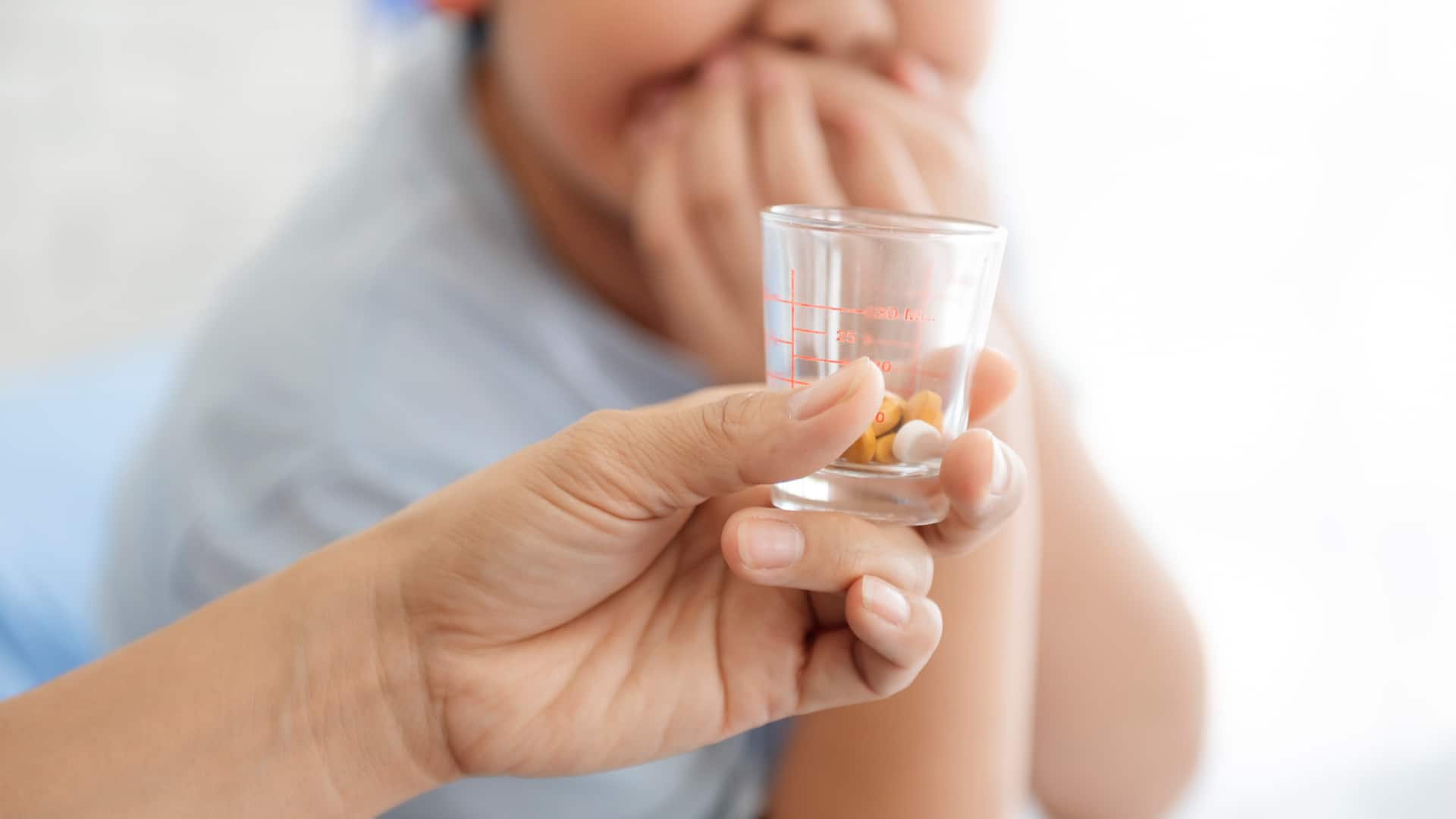
During a major measles outbreak in the U.S., some parents began giving their children vitamin A supplements after following advice shared online. As a result, calls to poison control centers related to vitamin A overdoses increased by nearly 39%.
Study finds increase in overdose reports
A study published in JAMA found that U.S. poison control centers received 86 reports of children exposed to potentially dangerous doses of vitamin A between January and March 2025. That represents a 38.7% increase compared with the same period in 2024.
Researchers believe the increase began after discussions on social media promoted vitamin A and fish oil as treatments for measles. The findings highlight how medical misinformation can influence behavior and lead to real-world health consequences.
Vitamin A does not prevent measles
A common misconception is that vitamin A can prevent measles. However, the World Health Organization says vaccination remains the only reliable way to protect against the disease.
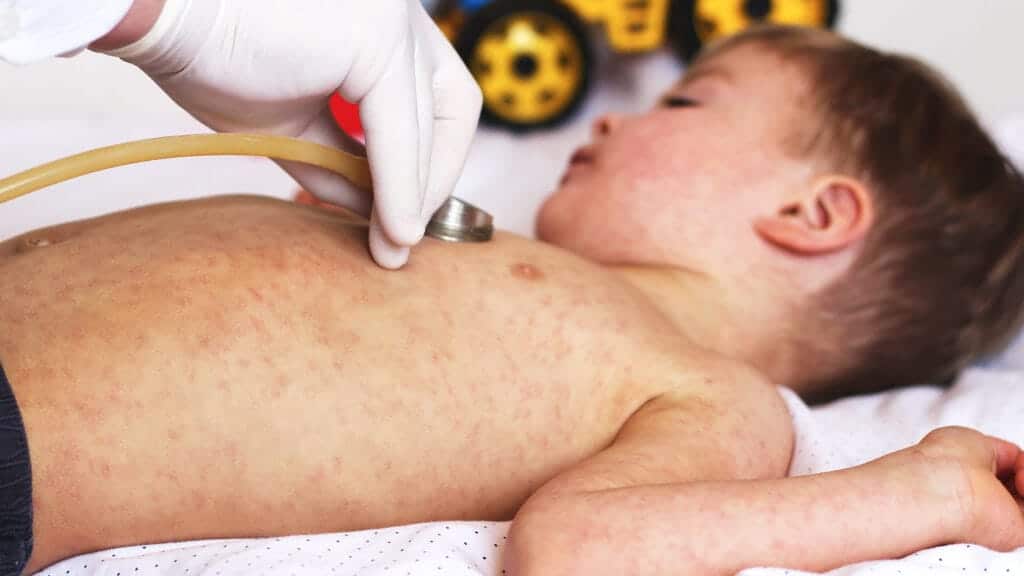
Read also: Science first: Kazakhstan’s medical community rejects vaccine-autism myths.
Vitamin A is used to treat patients who are already infected with measles. The WHO recommends its use under medical supervision because it can reduce the risk of severe complications and death, particularly among children with vitamin A deficiency. However, vitamin A does not prevent infection and is not a substitute for vaccination.
Health risks of excess vitamin A
Experts warn that excessive vitamin A intake can be dangerous. Because the vitamin can accumulate in the body, high doses may cause toxic effects, including liver damage and other serious health complications.