Heavy-duty electric vehicles in US, China face potential new tax

Authorities in China and the U.S. are increasingly considering new fees for electric vehicle owners as governments grapple with heavier vehicles and declining fuel tax revenue, Autoblog reported.
Electric vehicles were once promoted primarily as a cleaner alternative to cars powered by internal combustion engines. But the push for longer driving ranges has resulted in significantly heavier battery-powered vehicles.
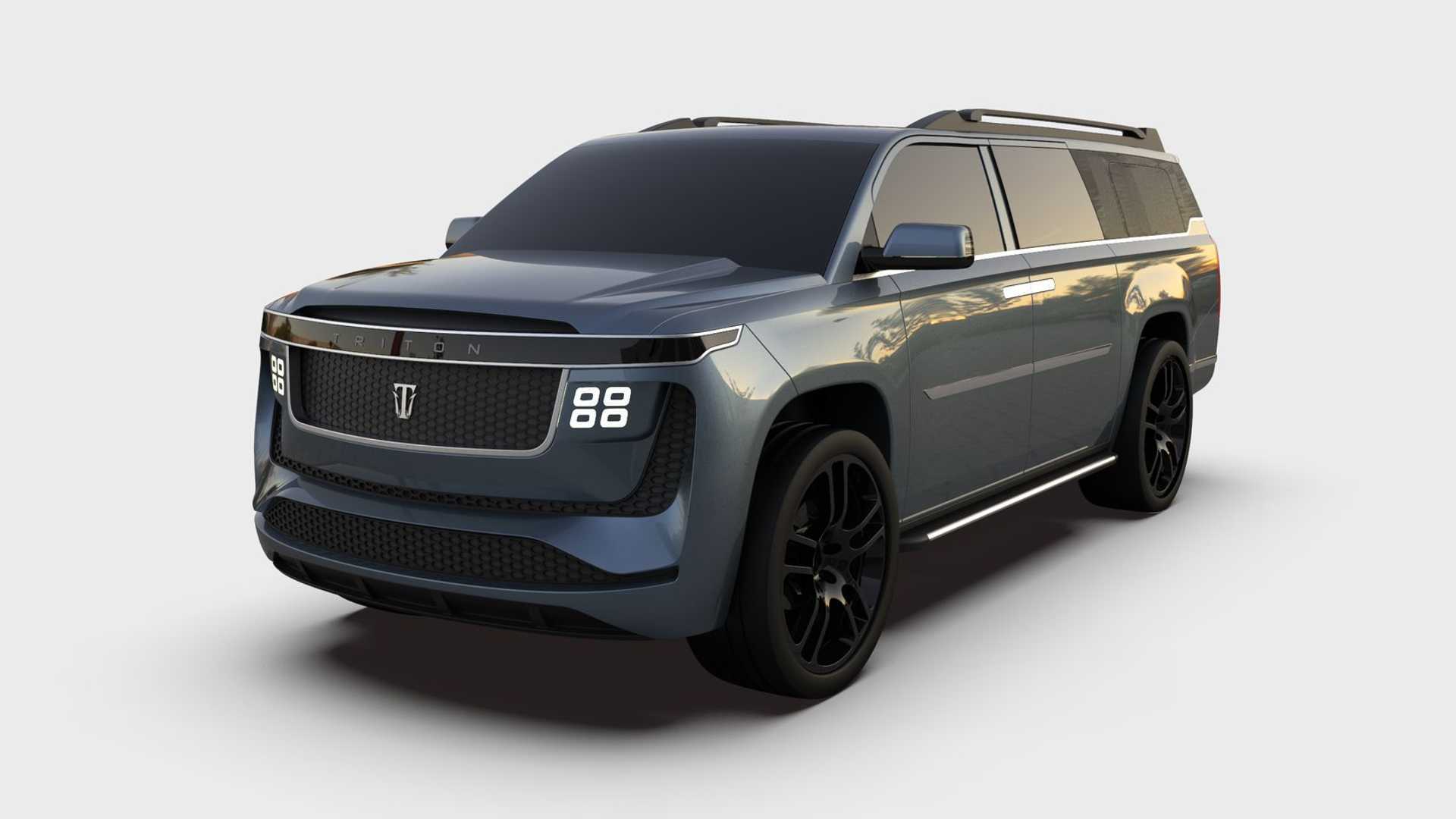
Automakers are installing larger batteries, while consumers are increasingly opting for larger crossovers and SUVs. As a result, the average weight of new electric vehicles in China has approached 1.9 tons, with some models weighing more than 3 tons.
Heavier vehicles place greater stress on roads. At the same time, EV owners generally do not pay fuel taxes, which have traditionally been a major source of funding for road construction and maintenance. As electric vehicles become more common, governments are looking for alternative ways to finance transportation infrastructure.
In the U.S., some states already impose additional annual registration fees on electric vehicles, while others are considering similar measures. In some states, those fees are about $250 a year.
A similar debate is underway in China, where officials are discussing a system that would take into account both a vehicle’s weight and the distance it travels. Under such a proposal, heavier vehicles that are driven more would pay higher fees.
For years, governments have encouraged the adoption of electric vehicles through tax incentives and subsidies. But as EV ownership continues to grow, policymakers are increasingly focused on replacing lost fuel tax revenue. In the future, electric vehicle owners may be required to pay road-use fees comparable to those paid by drivers of gasoline- and diesel-powered vehicles.