How a rare isabelline mare became the ‘pure soul’ of the Kazakh steppe

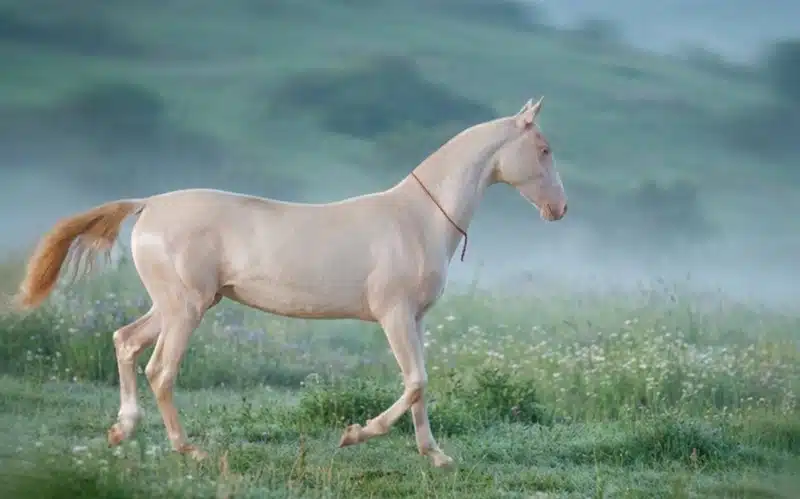
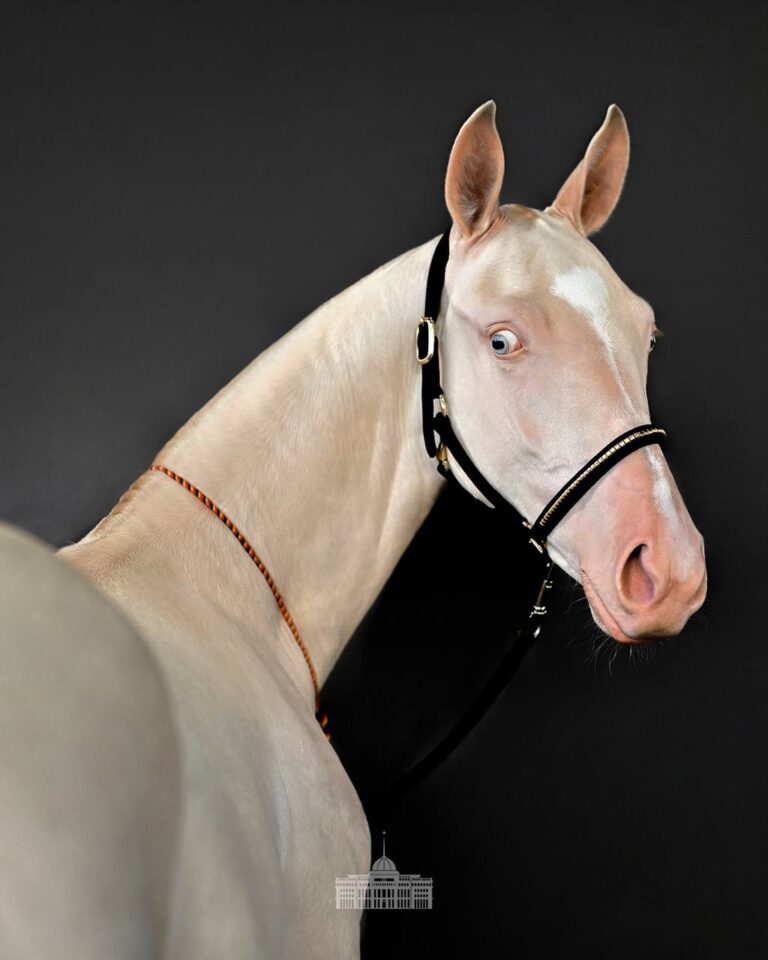
Astana is home to an unusual representative of the legendary Akhal-Teke horse breed: a mare named Akzhan, meaning «Pure Soul.» The daughter of the purebred Akhal-Teke horses Ganatly and Tabys, Akzhan is being celebrated not only for her rare beauty but also as a potential new cultural symbol of Kazakhstan’s capital, Kazinform reported.
Read also: Are these the most beautiful horses on Earth? Meet the ethereal Akhal-Teke.
Akzhan has an isabella coat color, one of the rarest among Akhal-Teke horses. Because of the unique structure of her coat, her hair reflects light, creating the breed’s distinctive metallic, satin-like sheen.
In Kazakh tradition, horses with this coloring have long been regarded as symbols of good fortune, prosperity and well-being.
According to Asel Nikambekova, a cultural researcher, horses have always held a special place in Kazakh society.
«The horse cult became one of the defining symbols of Kazakh culture. In mythology and historical memory, the horse is associated with statehood, the defense of the homeland and the unity of the people,» she said.
The horse in Kazakh history
Scholar Serikbol Kondybai described the horse as the «mythical argymak,» emphasizing its central role in the development of nomadic civilization. Beyond farming and warfare, horses were deeply embedded in systems of timekeeping, astronomical beliefs and healing rituals.
The territory of present-day Kazakhstan is widely regarded as one of the earliest centers of horse domestication. Archaeological discoveries associated with the Botai culture, dating to the fourth millennium B.C., suggest that the inhabitants of the Great Steppe were among the first to domesticate horses for riding and other practical uses.
The domestication of the horse marked a turning point in human history, allowing people to travel long distances more efficiently, expand trade networks, extend political influence and connect vast territories.
Kazakhstan’s numerous petroglyphs also underscore the horse’s importance to steppe civilizations. Many depict hunting scenes, rituals and battles in which horses occupy a central role.
A modern symbol
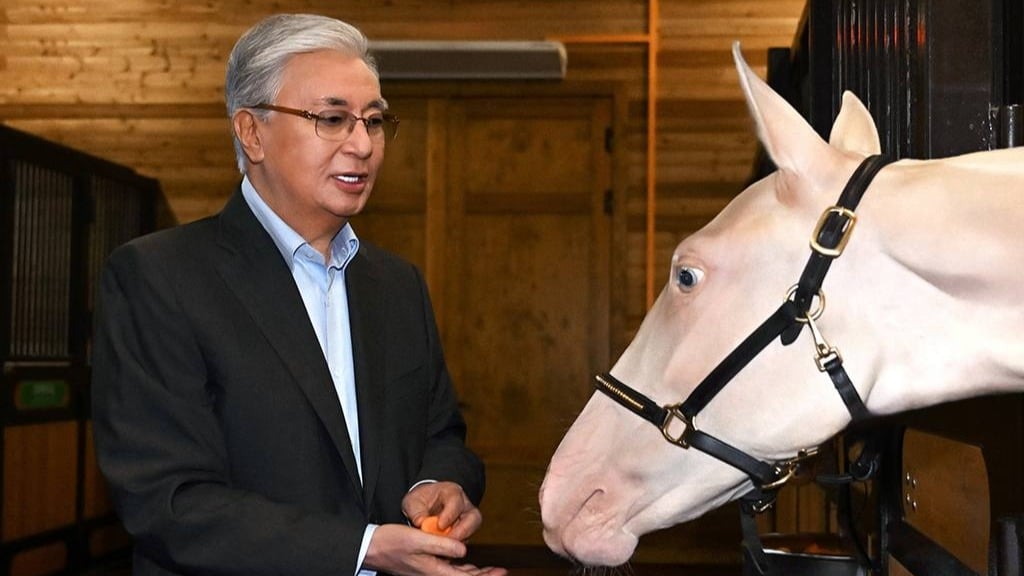
Often described as an heir to the legendary «heavenly horses,» Akzhan has become a living symbol of Kazakhstan’s nomadic heritage while reflecting the country’s modern identity. The mare is housed at the presidential stables and is widely regarded as a favorite of Kassym-Jomart Tokayev, Kazakhstan’s president.
Her name, «Pure Soul,» is said to embody values including respect for others, justice and civic responsibility.
Residents of Astana have embraced the young mare on social media, sharing photographs and comments. Supporters believe Akzhan is gradually becoming a recognizable symbol of the capital, linking the history of the Great Steppe with the image of contemporary Kazakhstan.