
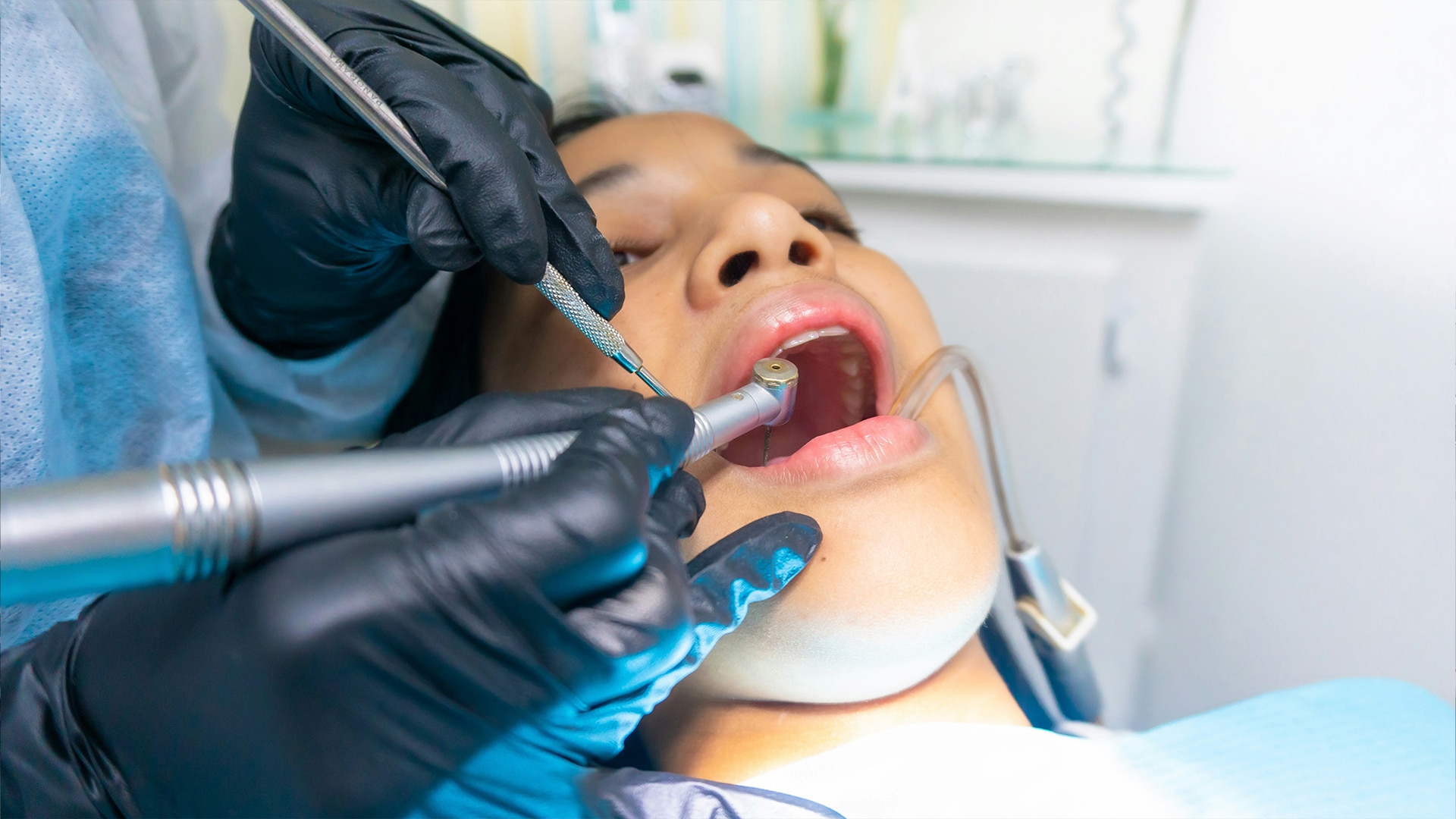
Wisdom teeth are often considered the most troublesome teeth because they erupt later than the rest, can be difficult to treat and frequently cause discomfort. Aralbek Tasbulatov, a dentist and prosthodontist, explained why the jaw is not always prepared for the eruption of third molars and what risks they can pose.
Why wisdom teeth erupt later
Tasbulatov said teeth play a vital role in the digestive system because their primary function is to chew food. They are also essential for speech, while aesthetics are a secondary consideration.
Read also: Why millionaires spend big on teeth and affordable ways to improve your smile.
Most people have four wisdom teeth — two in the upper jaw and two in the lower jaw. They typically erupt between the ages of 19 and 29, although the timing varies from person to person.
Tasbulatov recalled treating a 46-year-old patient who sought care because of pain. After examining the patient and reviewing X-rays, he found that one of her upper wisdom teeth was beginning to erupt.
When wisdom teeth can be beneficial
According to Tasbulatov, whether wisdom teeth should be treated or preserved depends on a person’s anatomy and the condition of the dental arch.
He said wisdom teeth may be useful if they help compensate for missing teeth or other abnormalities in the dental arch. However, if they do not serve a functional purpose, they are generally not considered essential.
Why wisdom teeth are often removed
Tasbulatov said wisdom teeth erupt abnormally in about 90% of cases.
He explained that because they usually emerge after the jaw has finished developing, there is often not enough space for them. As a result, they may grow at an angle or become impacted, causing pain, discomfort and crowding of neighboring teeth.
In such cases, dentists typically recommend removing the affected tooth.
Treatment can be challenging
Even when there is enough room for a wisdom tooth to erupt and it contributes to the bite, treatment can still be difficult if the tooth develops decay or other problems.
Because wisdom teeth are located at the very back of the mouth, they are often harder to access and treat. As a result, dentists and patients frequently decide that extraction is the most practical option.