
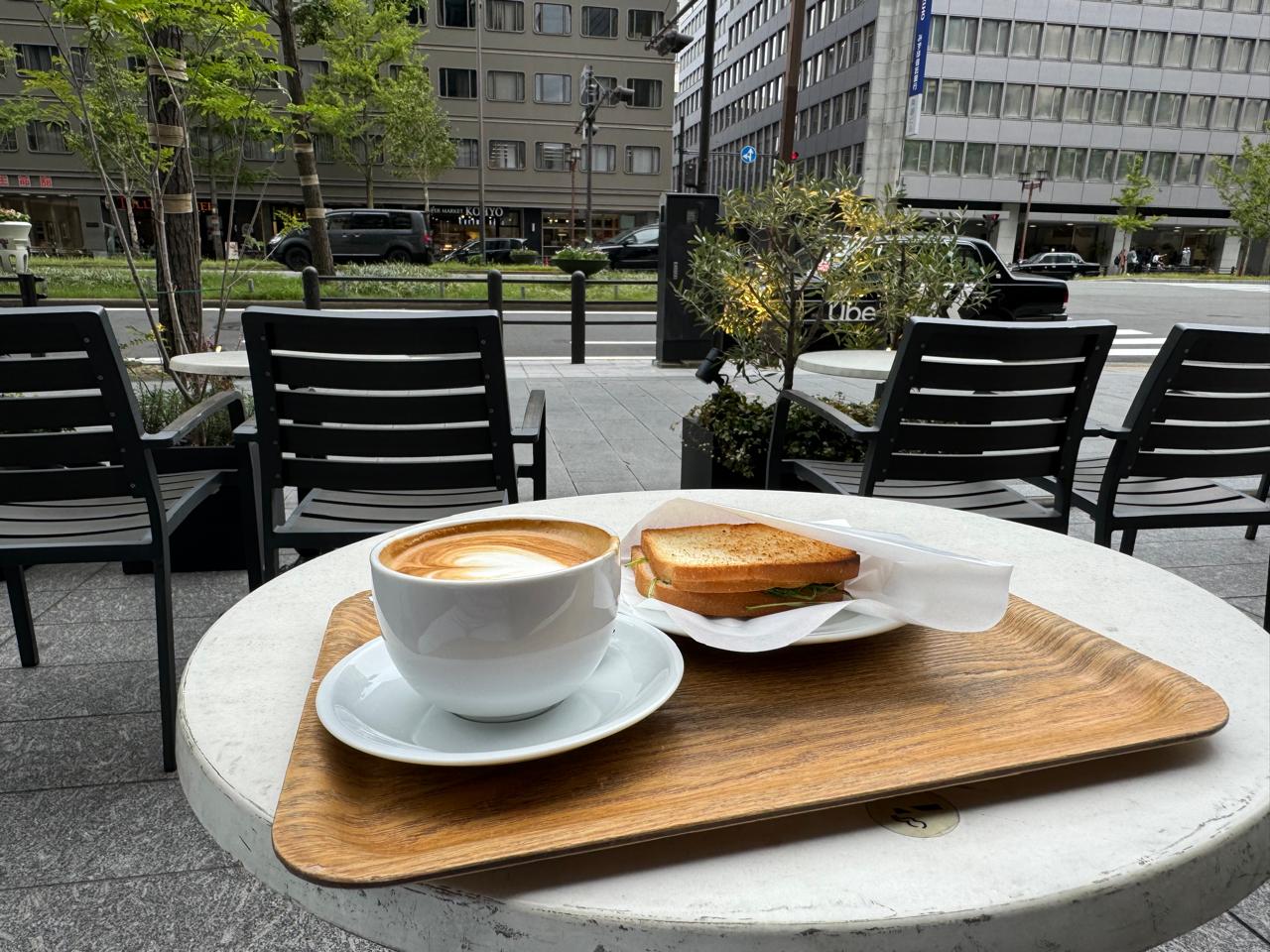
Global caffeine consumption has transformed from a simple morning habit into a sophisticated array of social rituals and economic drivers. A recent ranking by World Population Review highlights how various nations manage their deep-seated devotion to these natural stimulants.
Finland currently leads the world in consumption, with many adults drinking four to five cups daily, a habit supported by labor agreements that officially include coffee breaks. While Northern Europe prioritizes quantity and social connection, Southern European countries like Italy and Portugal emphasize the quality and concentration of espresso.
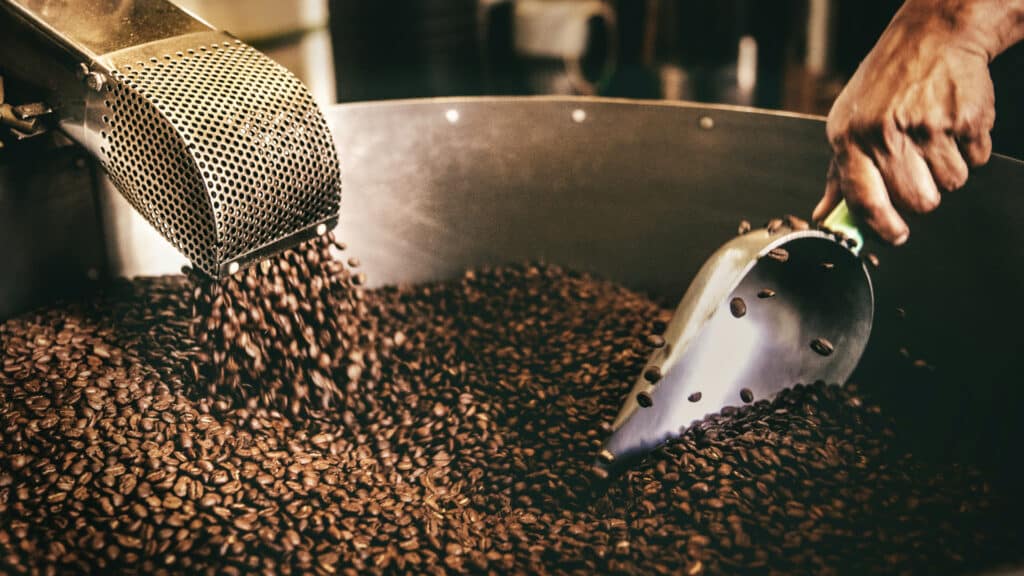
Cultural variations in stimulant use
Tea remains the most widely consumed beverage after water, with China and Japan integrating green tea and matcha into traditions emphasizing health and hospitality.
Read also: Is Starbucks сulture сonquering tea-loving Kazakhstan?
Other regions maintain distinct traditions, such as the social sharing of yerba mate in Argentina and Uruguay or the ancient cacao ceremonies of Mexico. These rituals reinforce community bonds while providing natural energy through diverse methods of preparation.
Emerging markets and the industry’s future
The global landscape is shifting as Vietnam rises to become the world’s second-largest coffee exporter and South Korea sees a massive surge in café density. Future trends suggest a move toward specialty markets and personalized nutrition, where genetic profiles may determine the perfect morning routine to optimize metabolism and sleep. Ultimately, the specific ritual of the drink is often as vital to the consumer as the caffeine it provides.