National Bank reveals how it tests tenge banknotes for durability

The National Bank of Kazakhstan has released a video showing how it tests the paper and security features of the national currency, the tenge, before new banknotes are put into circulation.
As part of the process, specialists create an artificial substance that replicates the dirt and grime banknotes accumulate during everyday use. Each sample is weighed before the mixture is applied and then placed in testing equipment that simulates the wear and tear of circulation to measure how the paper changes over time.
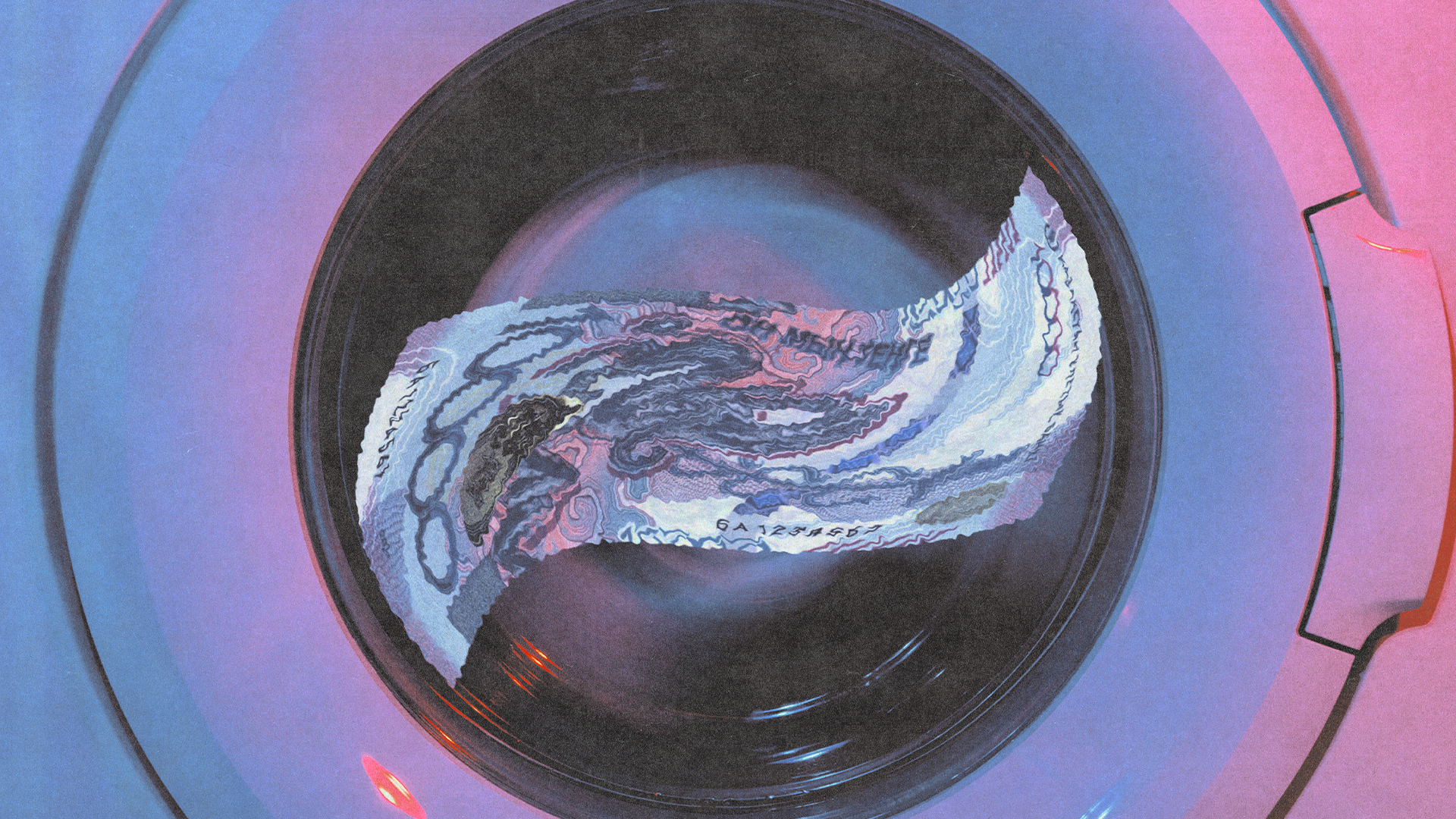
The banknotes are also tested for resistance to water, household detergents, friction and high temperatures. The National Bank said its laboratory tests even account for common accidents, such as leaving money in a pocket during a wash cycle.
In addition, the paper and ink are tested to ensure they can withstand sudden temperature changes and high humidity, such as exposure to rain. The paper is also evaluated for its strength, flexibility and resistance to repeated folding.
According to the regulator, these tests are essential for introducing new security technologies and ensuring that tenge banknotes maintain their appearance, durability and security features throughout their intended lifespan.