Kazakhstan set to produce self-driving SITRAK trucks and Li Auto SUVs

Kazakhstan is set to scale up vehicle production and step up the implementation of artificial intelligence (AI) at its automotive plants, Minister of Industry and Construction Yersayin Nagaspayev said at a government meeting.
According to him, 11 plants currently produce passenger cars, buses, trucks and special-purpose vehicles in the country. In 2025, two major plants — KIA Qazaqstan and Astana Motors Manufacturing Kazakhstan — began operations. Combined investment in their construction exceeded $735 million.
Kazakhstan intends to significantly expand the range of vehicles produced in the country by 2028. Following President Kassym-Jomart Tokayev‘s state visit to China, agreements were reached to launch production of Li Auto, Omoda and Jaecoo vehicles.
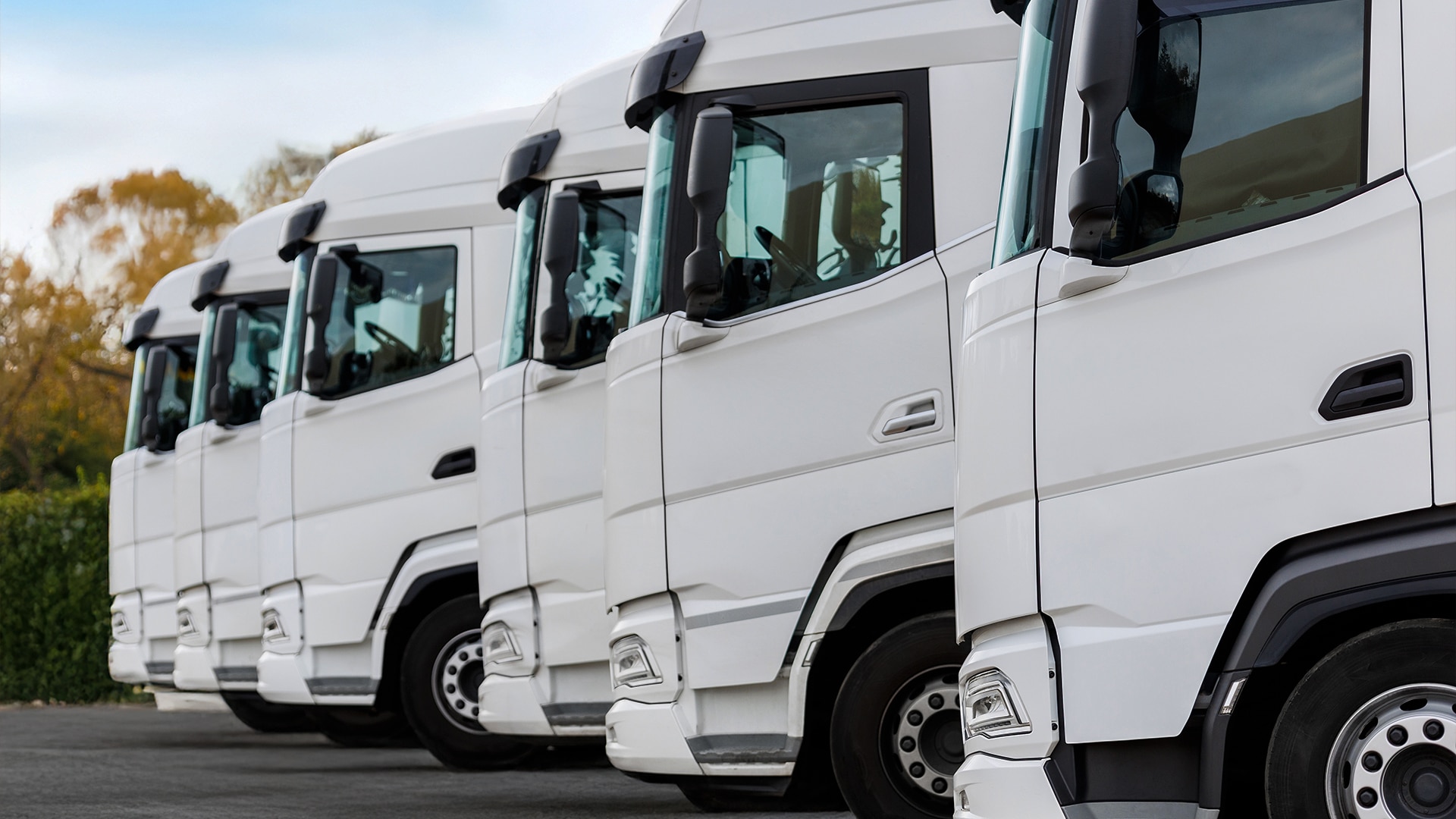
In addition, the country plans to launch production of self-driving SITRAK truck tractors and, together with BYD, develop a network of high-speed EV charging stations.
Nagaspayev added that the plants have already begun implementing AI technologies. In particular, an AI-powered situation center has become operational, analyzing data from cameras, sensors and information systems. The platform helps promptly identify risks, emergency situations and other production irregularities.
Furthermore, the new plants already have 135 industrial robots in operation, while the level of production automation will continue to increase.
The expansion will also extend to the commercial vehicle segment. Beginning in the fourth quarter of 2026, Hyundai Trans Auto plans to produce 500 Volvo trucks annually.
Another project is being implemented by Barys Truck Manufactory in partnership with China’s XCMG. The companies are preparing to launch electric truck assembly.
The government expects new projects to increase the share of local content, expand into new markets and further establish Kazakhstan as one of the region’s key automotive hubs.
Previously, Kursiv Cars reported that Baidu-powered robotaxis could be introduced in Kazakhstan.