Cellophane world: How censorship wraps up Russia’s book market

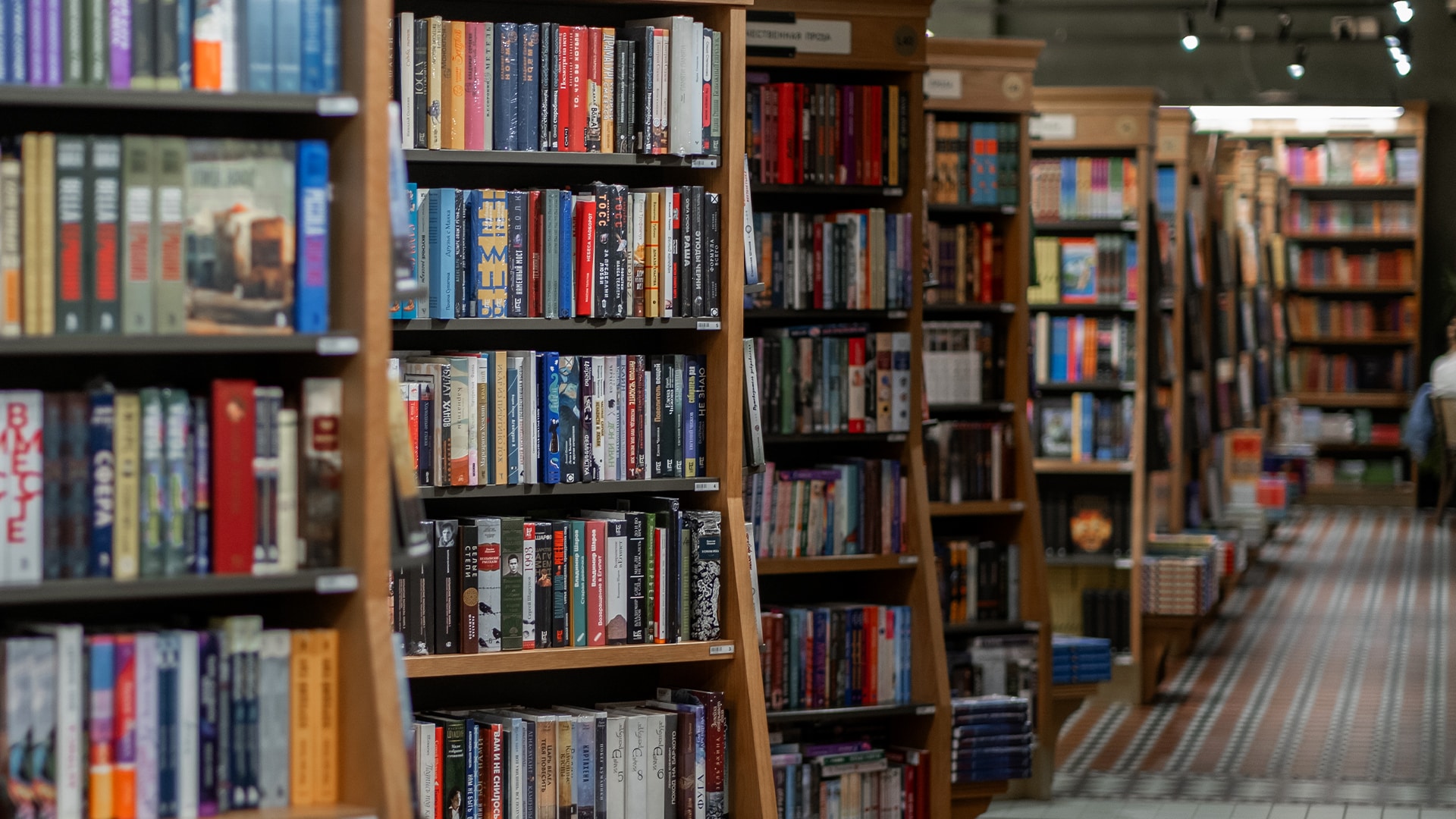
Russia’s book market has undergone a dramatic transformation since 2021, driven by tighter government censorship, the departure of foreign rights holders and sharply rising production costs. An investigation by Novaya Gazeta analyzed more than 10,000 bestselling titles from major retailers and publishers, finding that many once-popular authors have disappeared from bookstore shelves, replaced by domestic fiction and books wrapped in opaque plastic to comply with government regulations.
Books wrapped to comply with censorship rules
One of the most visible changes in Russian bookstores is the widespread enforcement of laws targeting what authorities describe as «LGBT propaganda» and requiring special labeling for authors designated as «foreign agents.»
Publishers, seeking to avoid potential legal penalties, have removed many bestselling titles featuring LGBTQ+ characters from sale. Books by 29 bestselling authors who have been designated as «foreign agents» or «terrorists» — including Boris Akunin — must now be sold in opaque wrapping and labeled as suitable only for readers 18 and older.
According to the investigation, these requirements have also increased publishers’ costs. Because such books lose eligibility for Russia’s reduced value-added tax rate, publishers must apply the standard 22% VAT instead of the preferential 10% rate.
Industry figures interviewed by Novaya Gazeta described the publishing sector as increasingly cautious, with editors reportedly altering storylines or censoring passages to reduce legal risks.
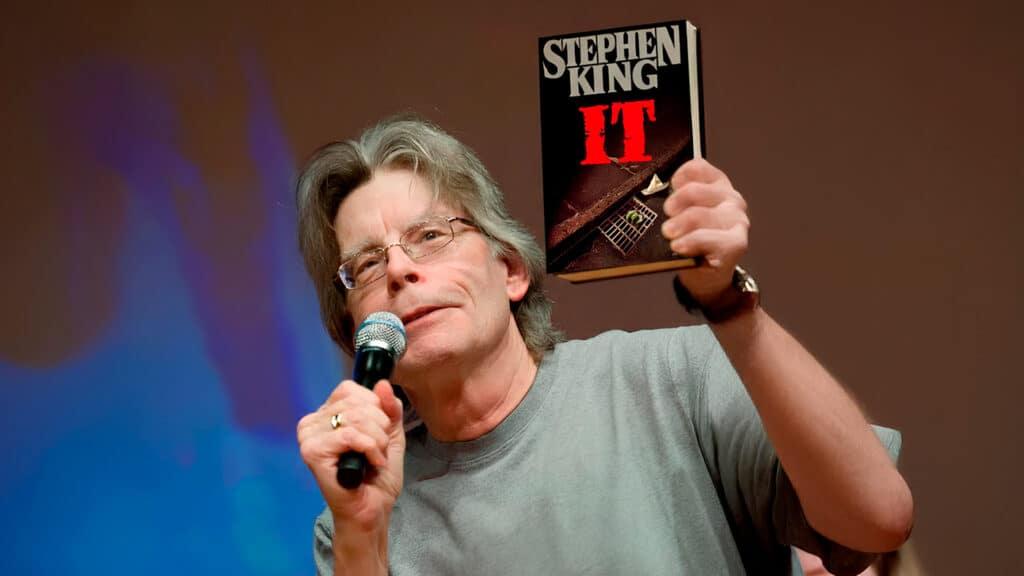
Read also: Russia may rewrite Stephen King’s ‘It’ over ‘inappropriate’ content.
Readers shift from dystopian fiction to escapism
Reading preferences have also changed since the start of Russia’s full-scale invasion of Ukraine.
Sales of dystopian novels such as «1984» and other anti-authoritarian classics surged in 2022 as readers sought literature reflecting the political climate. By 2026, however, demand had shifted toward escapist fiction.
Fiction now accounts for more than half of all bestselling books, while 19th-century classics and works on Japanese philosophy have also gained popularity.
Read also: Inside the library behind bars: The most popular books in prison.
At the same time, the government’s efforts to promote literature centered on what it officially calls the «special military operation» have had limited commercial success. Of roughly 650 pro-war or military-themed books tracked by researchers, only six reached bestseller lists.
Rising prices reshape the industry
Economic sanctions have also had a significant impact on Russia’s publishing industry.
The median price of a bestselling print book has reportedly doubled since 2022, with the average title now selling for more than 1,000 rubles ($13).
The report attributes the increase in part to shortages of high-quality paper, printing inks and bookbinding materials that were previously imported from Finland and other European countries.
Higher prices have accelerated consumers’ shift toward online marketplaces, which now account for nearly 58% of Russia’s print book market.
As a result, traditional bookstores have struggled. According to Novaya Gazeta, print circulation fell 26% during the first months of 2026 — a steeper decline than during the height of the COVID-19 pandemic.