Expert suggests Kazakhstan swap NCOC fine for Exxon and Shell shares

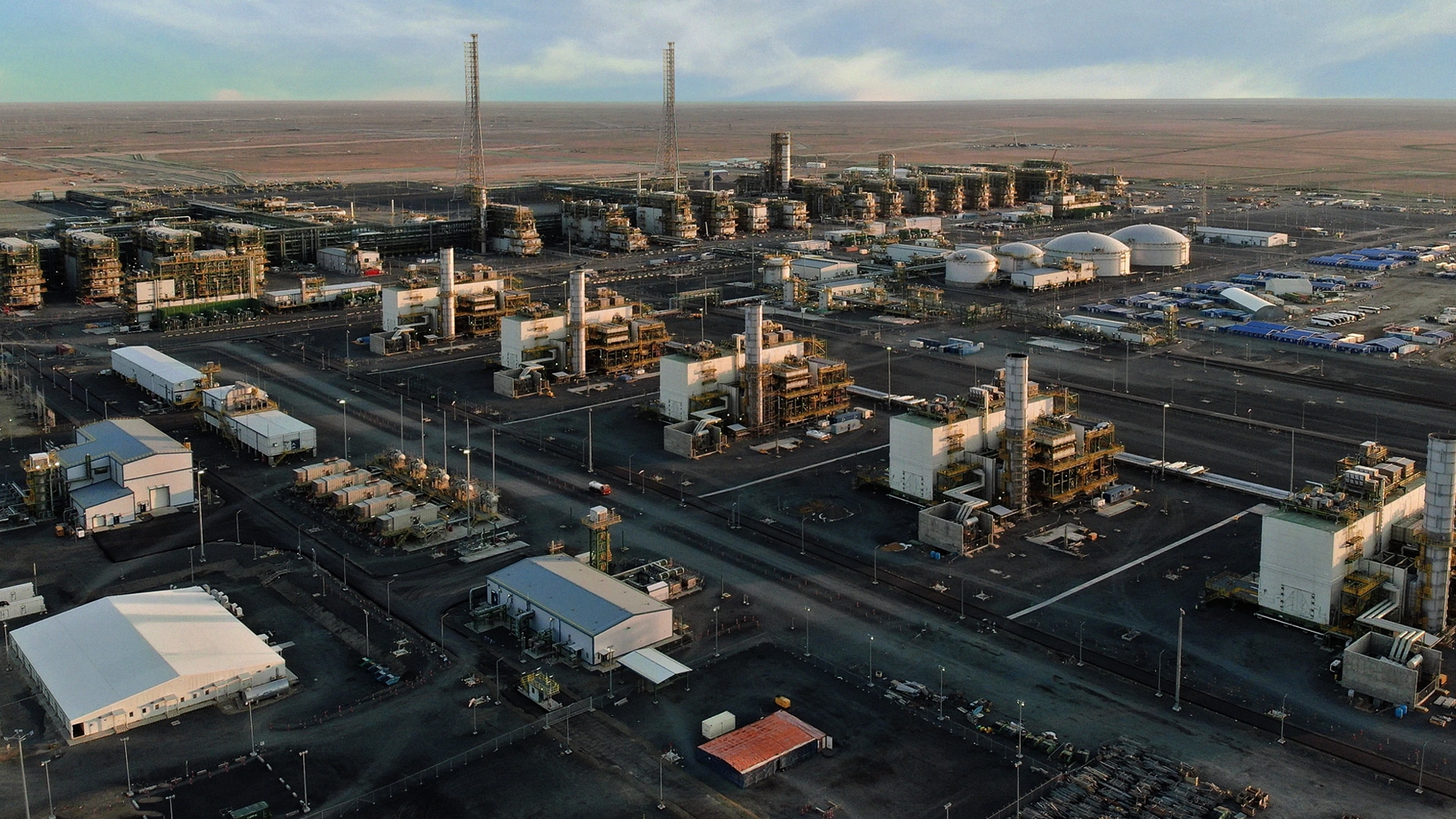
According to Olzhas Baidildinov, a member of the Samruk-Kazyna Public Council and author of the Baidildinov. Oil Telegram channel, Kazakhstan could exchange its claim to the 2.356 trillion tenge environmental fine imposed on the Kashagan operator, NCOC, for shares in its shareholder companies.
The expert believes that global oil companies are less affected by external threats than the countries where they produce oil. Amid cuts in oil supplies from Kazakhstan and the Persian Gulf, oil prices rose significantly, sending the shares of major oil companies soaring.
«I always follow the shares of oil companies operating in Kazakhstan, and they don’t really react to the events involving the CPC, the tanker attacks or the $4.6 billion environmental fine… There are many complex legal and corporate nuances, but from a long-term perspective, it would be more appropriate to receive (convert) the environmental fine into shares of these companies, rather than leaving the entire amount in the state budget,» he wrote.
Baidildinov cited the following gains in oil company shares:
- ExxonMobil (25% stake in Tengiz, 16.81% in Kashagan, 7.5% in the Caspian Pipeline Consortium): +15% over the past month and +42% over the past year.
- Chevron (Tengizchevroil – 50%, Karachaganak – 18%, CPC – 15%): +14% over the past month and +26% over the past year.
- Italy’s ENI (Karachaganak – 29.25%, Kashagan – 16.81%, CPC – 2%): +12% over the past month and +57% over the past year.
- UK’s Shell (Karachaganak – 29.25%, Kashagan – 16.81%, CPC – 7.4%): +2% over the past month and +26% year-on-year.
- France’s TotalEnergies (Kashagan – 16.81%): +10% month-on-month and +48% year-on-year.
The expert noted that despite revenue losses caused by drone and unmanned boat attacks in the Black Sea, major oil companies have been able to offset them through higher oil prices and production in other countries. As a result, their market capitalization has continued to grow despite losses or reduced revenue from their Kazakh assets.
«The logic is simple: we are losing foreign exchange earnings and tax revenue due to the attacks on the CPC, while foreign oil corporations are protected by their diversified portfolios of international projects. Globally, we could at least offset these losses within the framework of the National Fund’s investment strategy,» Baidildinov said.
How the largest environmental fine case unfolded
In 2022, the Atyrau Region Department of Ecology found that 1.7 million tons of sulfur had been stored at Kashagan, exceeding the permitted limit of 773,000 tons, and took the case to court.
At the end of March 2026, Kazakhstan’s Vice Minister of Justice Daniel Vaisov announced that the court of first instance had ruled in Kazakhstan’s favor, prompting the oil companies to file an appeal. The case was expected to be heard in Washington, D.C., while an arbitration tribunal was being formed.
In June, Vice Minister of Ecology Zhomart Aliyev told Kursiv that the Supreme Court’s review of the case was in its final stages and that Kazakhstan could soon receive the 2.356 trillion tenge environmental fine from the field’s operator.
In early July, Vaisov said NCOC had until July 20 to pay the fine, warning that enforcement measures would follow if it failed to do so. However, an arbitration tribunal under UNCITRAL, an international organization affiliated with the United Nations, limited Kazakhstan’s ability to enforce the fine against the consortium over the alleged violations at Kashagan.
Kazakhstan subsequently seized NCOC’s property and vehicles, Reuters reported, citing data from the automated information system of the enforcement authorities of the Ministry of Justice of Kazakhstan.
The Kashagan field is being developed by the North Caspian Operating Company (NCOC) consortium. Its shareholders include KMG Kashagan B.V. (16.877%), Shell Kazakhstan Development B.V. (16.807%), Total EP Kazakhstan (16.807%), Agip Caspian Sea B.V. (16.807%), ExxonMobil Kazakhstan Inc. (16.807%), CNPC Kazakhstan B.V. (8.333%) and Inpex North Caspian Sea Ltd. (7.563%). To date, the consortium has invested approximately $60 billion in the project.