
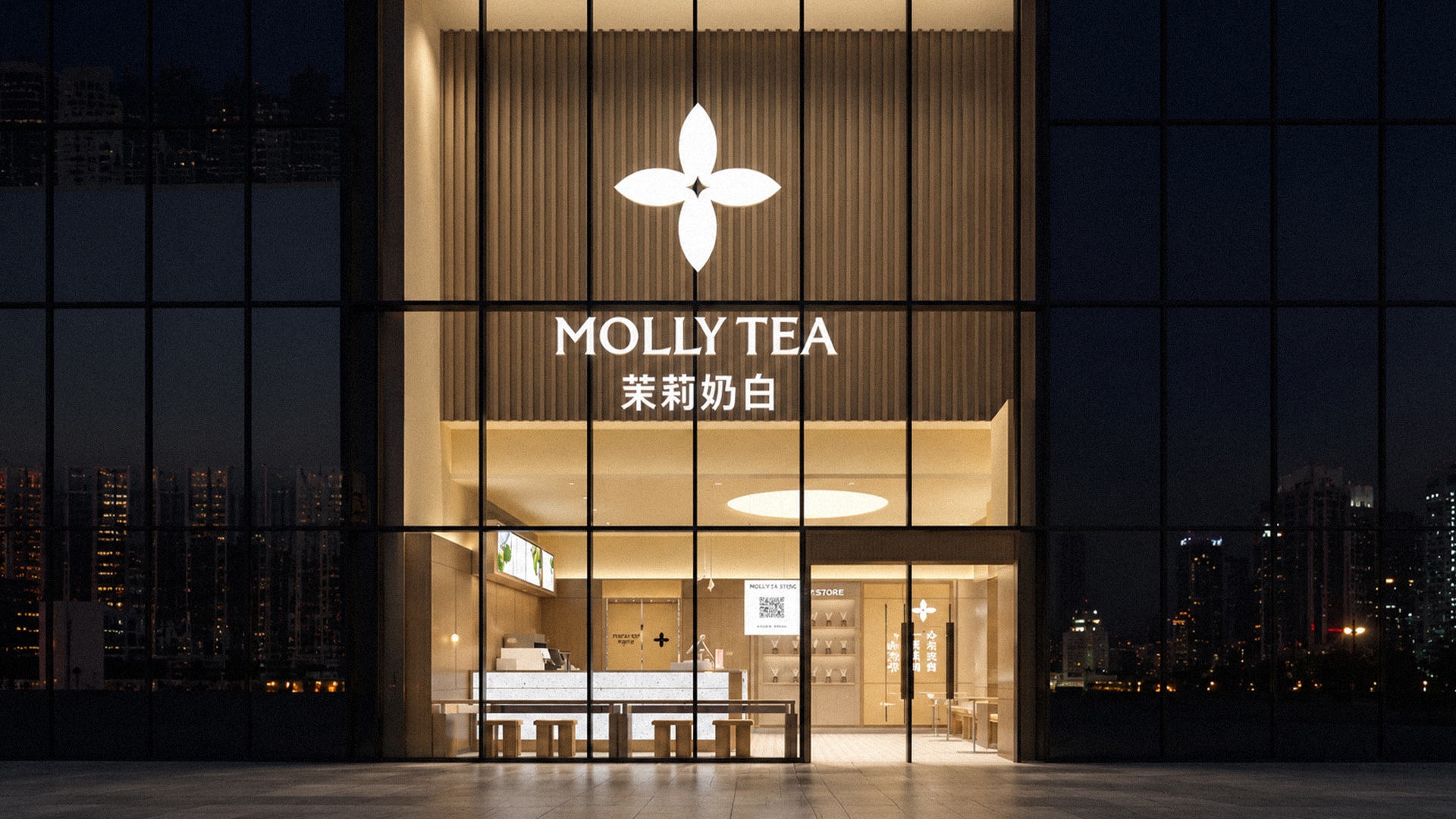
Although the trademark dispute between Chinese tea chain Molly Tea and French luxury fashion house Louis Vuitton was decided June 29, the debate surrounding the case continues. Support for the local brand has spread across Chinese social media, with videos and posts drawing millions of views.
Louis Vuitton won 10.3 million yuan in damages from Molly Tea, The Washington Post reported. The case centered on a four-petal flower design used on the tea chain’s cups and other materials. Louis Vuitton argued that the design was too similar to its registered four-petal floral trademarks.
The Suzhou Intermediate People’s Court in Jiangsu province ruled in Louis Vuitton’s favor, ordering the defendants to pay damages, stop using the infringing designs and issue a public statement. Molly Tea said it plans to appeal the ruling.
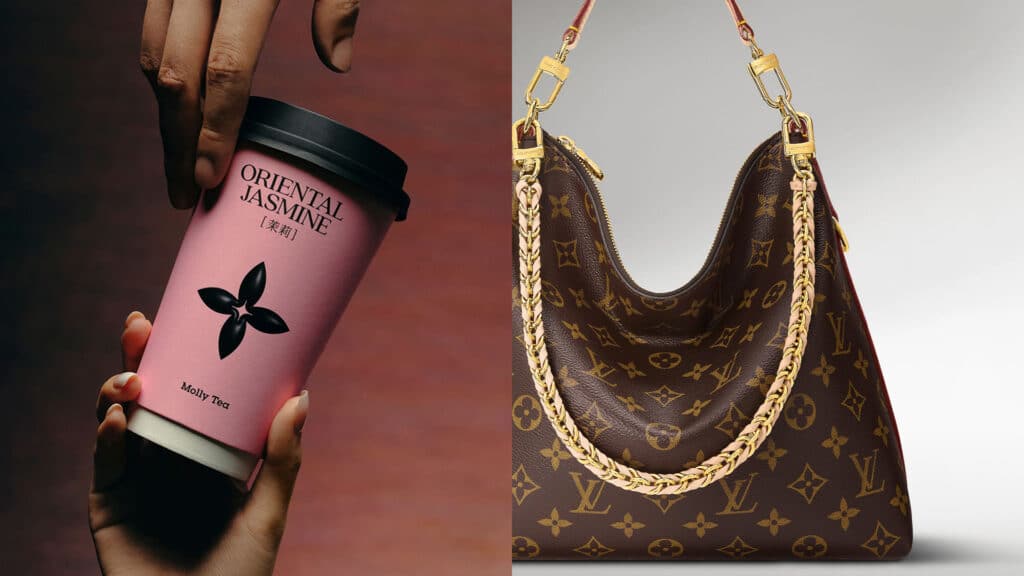
The ruling has prompted a wave of public support for Molly Tea. Instead of accepting the decision quietly, some customers have launched an online campaign encouraging others to buy from the Chinese chain and share photos of its cups on social media.
A debate over traditional Chinese patterns
On Chinese social media, many users argue that the dispute is about more than a trademark. They say it raises questions about cultural heritage, the protection of traditional designs and the rights of domestic brands when they face global corporations.
Molly Tea sells jasmine milk tea for a few dollars, while Louis Vuitton sells handbags that can cost thousands of dollars. Some consumers have questioned how the tea chain’s flower design could harm a luxury fashion brand.
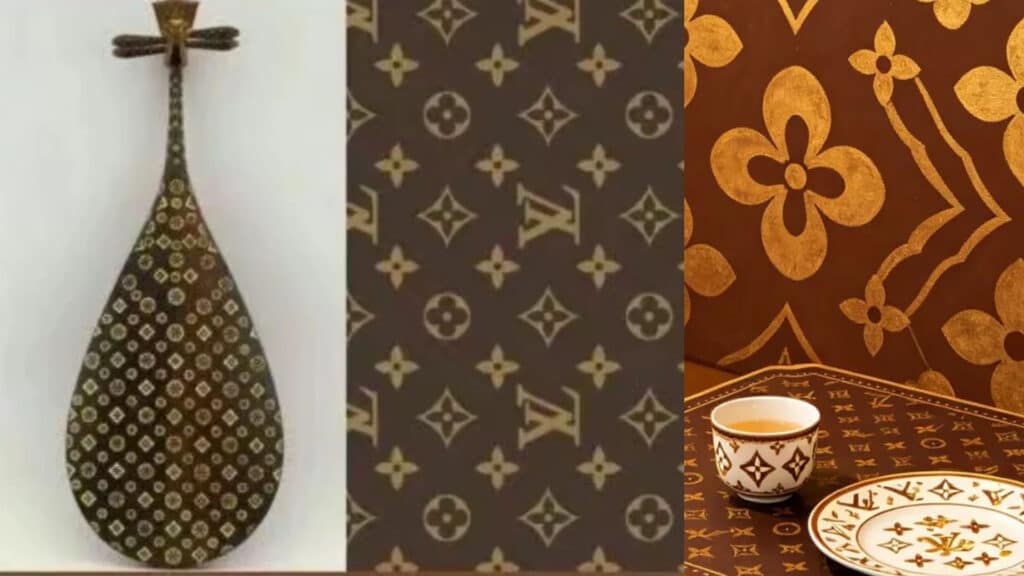
Much of the discussion centers on the history of four-petal floral patterns. Users have shared images of similar motifs in Chinese art and architecture, arguing that comparable designs existed in China long before Louis Vuitton’s monogram was created. Photos of carved wooden windows, tiles and brickwork featuring similar patterns have circulated online.
Some commentators have framed the controversy in terms of economic patriotism — the idea of consciously supporting domestic companies when they face disputes with multinational corporations.
Chinese state media have also joined the discussion, with some commentators asking whether China should establish a database of traditional patterns to help protect its cultural heritage and prevent similar intellectual property disputes. The debate has also prompted experts to stress the distinction between traditional cultural motifs and legally protected trademarks.
The history of Louis Vuitton’s monogram
Louis Vuitton’s monogram was created in 1896 by Georges Vuitton, the son of founder Louis Vuitton. The company says the design was inspired by Neo-Gothic ornamentation and Japonism, or the influence of Japanese art on Western art and design.
Louis Vuitton is marking the 130th anniversary of the monogram in 2026. The company describes it as a defining element of the brand’s identity and says it was originally conceived as a signature to protect its creations.