How governments regulate and censor sermons in the digital era

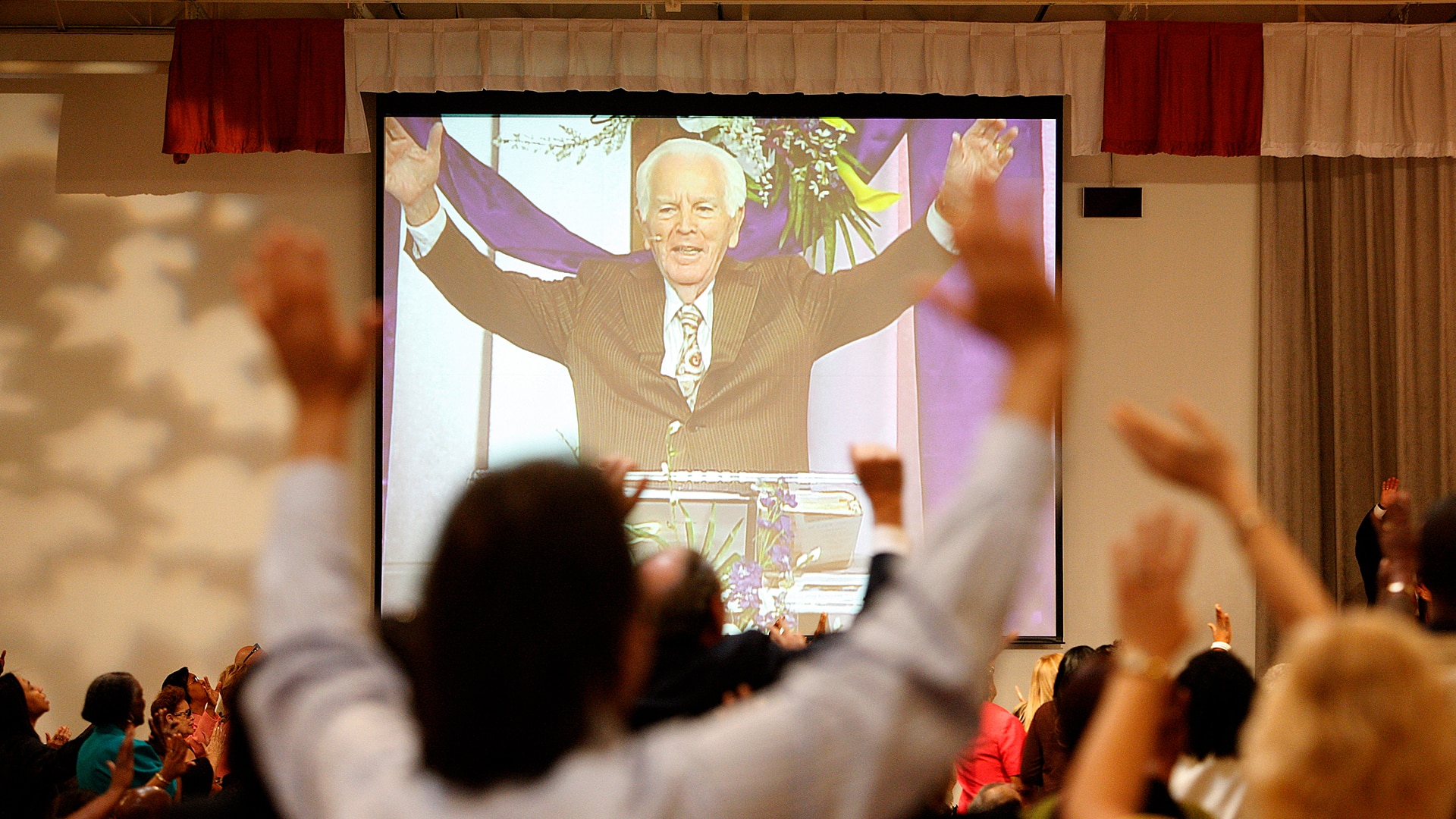
In late July, Kazakhstan issued its first official missionary documents to an imam and his deputies, marking a significant shift in the legal regulation of religious discourse in the Central Asian nation. The certificates, awarded to religious scholar Imam Nurlan Baizhigituly and his assistants, officially authorize them to preach and engage in missionary work under current legislation that requires specific state-issued credentials for spreading religious teachings.
While some nations have established strict state-sanctioned monopolies and mandatory licensing for preachers, others rely on secular hate-speech laws or provide near-total constitutional protection for religious expression.
Certification as a tool for state control
China maintains one of the world’s most rigid frameworks for online religious information. Since the implementation of new measures in March 2022, no individual or organization in China is permitted to broadcast religious content — including live-streaming sermons or uploading religious videos — without an official «Internet Religious Information Service Permit».
To qualify as a preacher in China, individuals must belong to one of the five state-sanctioned «patriotic» religious associations.
The government officially recognizes five religions: Buddhism, Taoism, Islam, Protestantism and Catholicism. Only religious organizations affiliated with one of the five state-sanctioned religious associations representing these faiths may register with the government and legally hold worship services.
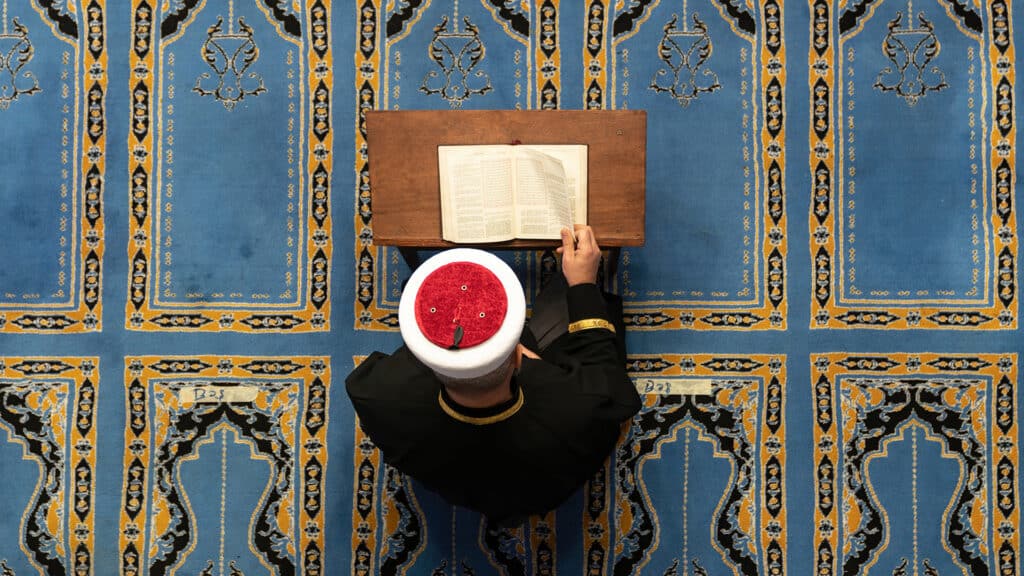
These clergy members are required to be state-certified and must pledge allegiance to the Chinese Communist Party. This system explicitly bans foreign individuals and organizations from broadcasting religious material to Chinese audiences.
The enforcement of these rules has led to significant crackdowns on unregistered «house churches.» Since 2022, Chinese authorities have systematically dismantled WeChat channels and Zoom worship sessions.
The Russian model of institutional oversight
In Russia, the 2016 Yarovaya Law introduced strict definitions for «missionary activity,» specifically targeting information shared via social media and the internet. Unlike the direct state licensing in China, Russia requires independent preachers to hold written credentials from a state-registered religious organization.
The law adds a new provision to Russia’s law on religion stating that missionary activity may be conducted freely only in churches and other religious sites designated under the legislation. It explicitly prohibits missionary activity in residential buildings.
State media monitor Roskomnadzor actively filters and blocks digital content deemed «unauthorized» or «extremist». Russian courts frequently utilize Article 5.26 of the Administrative Code to fine individuals who post religious texts or videos on platforms like YouTube and VKontakte without official authorization. These prosecutions often target independent Muslim preachers, Jehovah’s Witnesses, and various Protestant groups.
Central Asian monopolies and security concerns
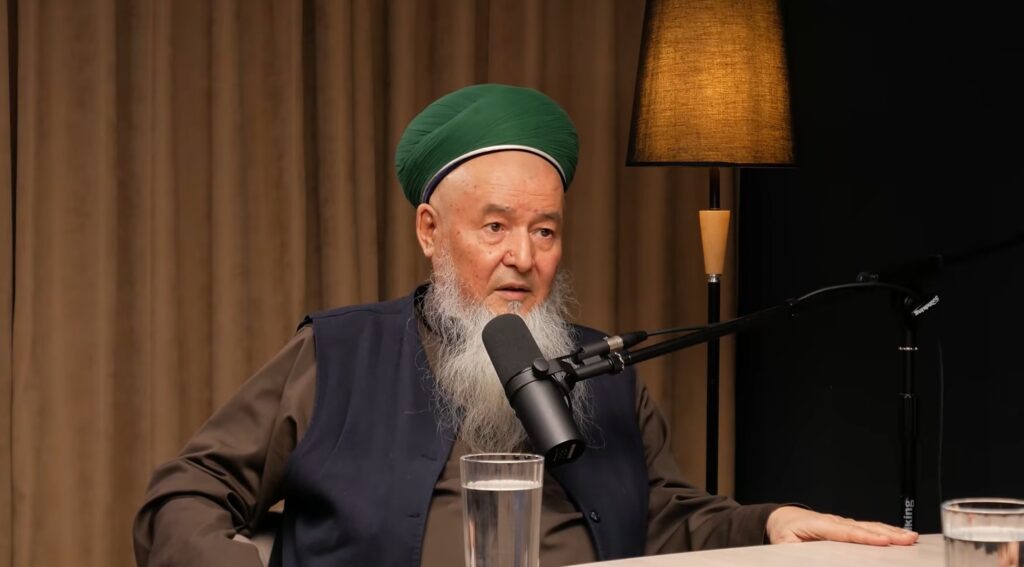
Across Central Asia, religious activity is typically funneled through state-sanctioned bodies known as Muftiates, spiritual administrations of Muslims. In Uzbekistan, a 2021 law mandates that imams be state-certified through the Muslim Board, and any unsanctioned online preaching is considered illegal. In Tajikistan, the regulation is even more stringent; the state dictates the specific topics for Friday sermons, and imams are appointed with direct government coordination.
The consequences for deviating from state-approved narratives can be severe. In 2021, Tajik secret police arrested Imam Mahmadsodyk Sayidov after he refused to read a government-provided sermon script, choosing instead to preach his own message, which was subsequently shared online. Sayidov was later sentenced to five years in prison on charges related to alleged extremist participation.
In Kazakhstan, authorities frequently prosecute citizens under the Administrative Code for sharing sermons or religious literature on Instagram without the necessary state permissions.
Read also: Podcast fallout: Imam punished for ‘gift’ wife comment.
Secularism and the limits of speech in Europe
In contrast to the certification models of Asia, France operates under the principle of laïcité, or strict secularism. The French state is legally prohibited from issuing certificates or licenses to recognize any religion, as doing so would involve the state in religious affairs.
However, the 2021 Anti-Separatism Law granted French authorities expanded powers to monitor online sermons for «apology for terrorism» or incitement to hatred. This has led to high-profile deportations. In February 2024, Tunisian imam Mahjoub Mahjoubi was arrested and deported from France within 12 hours after posting social media videos that officials deemed anti-Western and derogatory toward the French flag.
Germany similarly does not require state certification for preachers, as religious freedom is protected by its Basic Law. Nevertheless, online sermons remain subject to the German Criminal Code, which prohibits the incitement of mass hatred. A notable case involved Evangelical pastor Olaf Latzel, who faced years of litigation after a recording of a seminar containing derogatory comments about gender ideology and homosexuality was uploaded to YouTube. The case was eventually closed in August 2024 through a court-approved settlement.
The constitutional immunity of the American pulpit
The U.S. represents the most deregulated environment for online preaching among the analyzed nations. Under the First Amendment, it is considered unconstitutional for the government to issue licenses or certificates to qualify preachers. The «ministerial exception» established by the Supreme Court prevents the state from evaluating clergy qualifications or interfering in religious doctrine.
In the U.S., preachers can generally only be held liable for sermons if their speech directly incites «imminent lawless action» or constitutes a «true threat». Consequently, legal action against religious figures in the U.S. is extremely rare and typically limited to terrorism or conspiracy charges rather than the act of preaching itself.