

The Munich Regional Court has set a significant precedent by siding with the German music licensing agency GEMA in its copyright dispute with AI music company Suno.
To date, AI developers have generally been able to use copyrighted materials — including music, poetry and other intellectual property — to train AI models without obtaining licenses or compensating rights holders. The Munich court’s ruling could challenge that practice.
GEMA filed the lawsuit, seeking compensation from Suno for allegedly training its AI models on copyrighted musical works without obtaining licenses or paying royalties to songwriters and composers.
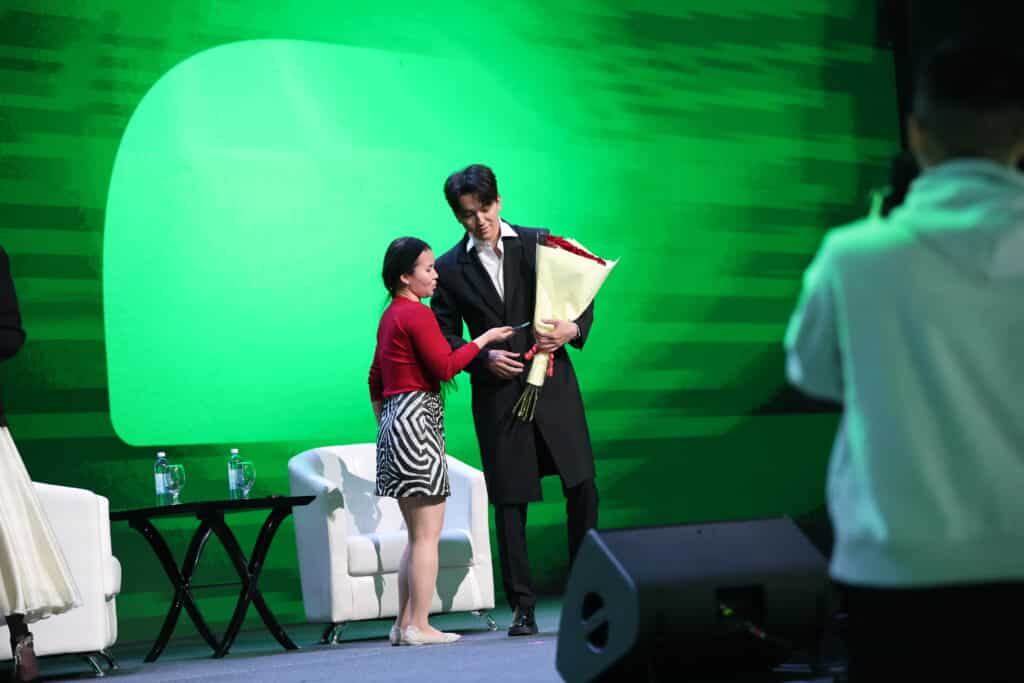
Read also: Famed Kazakh singer Dimash Qudaibergen pointed to his younger brother, an aspiring multi-instrumentalist, as an example, saying beginners should first focus on formal musical education and mastering foundational skills before turning to AI tools such as Suno.
In a statement, Dr. Ralf Weigand, chairman of GEMA’s Supervisory Board, said the ruling establishes an important precedent not only for GEMA’s more than 100,000 members but also for creators worldwide. He added that the decision demonstrates that copyright claims can be enforced even in countries such as the U.S., giving authors greater confidence as they navigate rapid technological change.
The court ordered Suno to pay compensation to GEMA, although the amount has yet to be determined.