
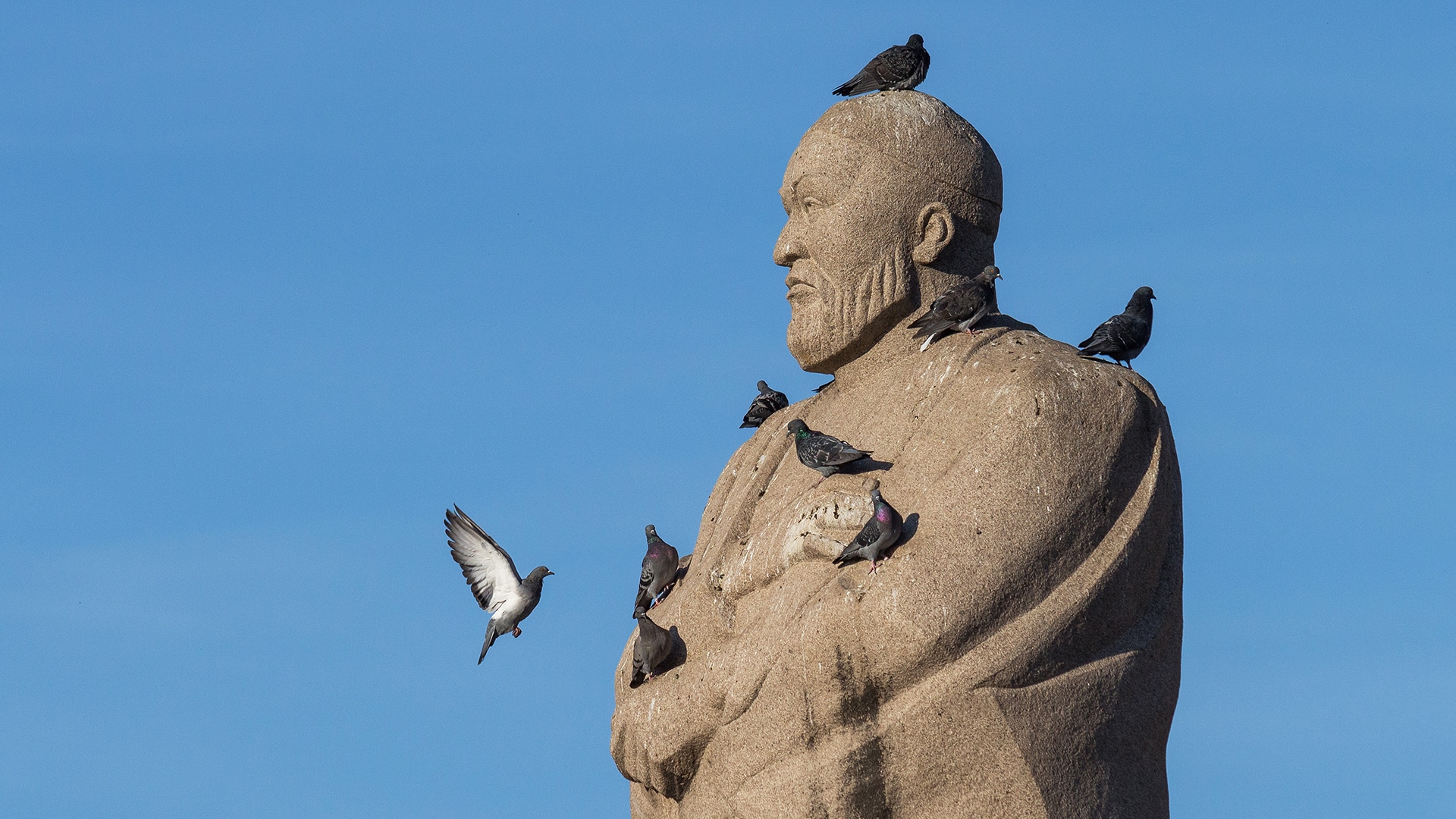
Today, Aug. 10, Kazakhstan celebrates Abai Day, honoring the great Kazakh poet, philosopher and thinker Abai Qunanbaiuly (1845-1904). His «Book of Words» remains widely read and influential in Kazakhstan.
«Book of Words» (Kazakh: Қара сөздер, or Qara sozder) is Abai’s most famous prose work. The title is also rendered in English as «Words of Wisdom.» The work, originally titled Gakliya (Arabic for «edification» or «reflection»), consists of 45 prose reflections written between 1890 and 1898 and played an important role in the development of Kazakh social thought and literature. Literary scholars have described Abai’s prose as a distinctive form of intellectual and philosophical writing that combines ethics, theology, cultural studies and social commentary.
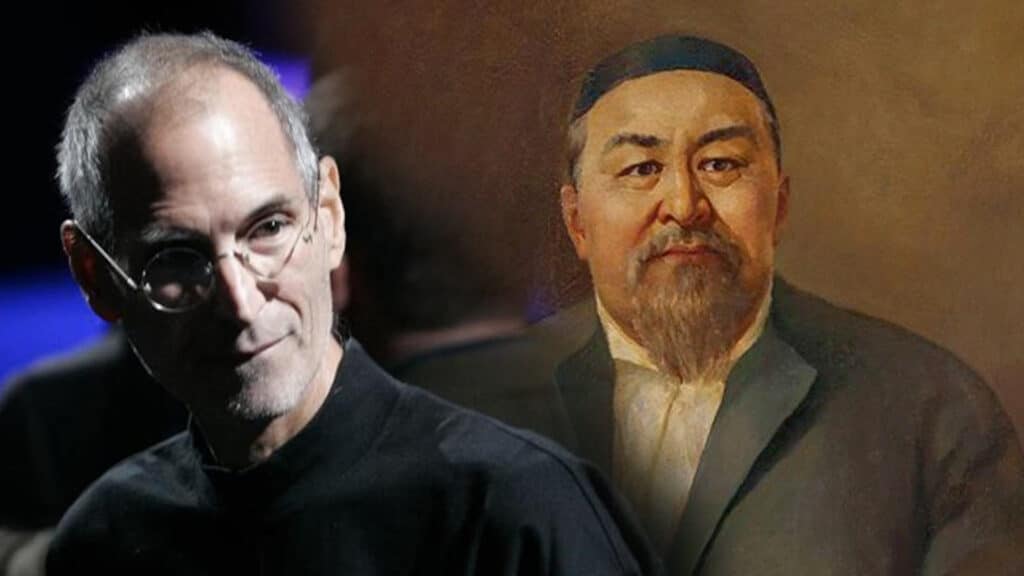
Read also: Forget Steve Jobs, meet Abai: The unlikely guru for Kazakhstan’s entrepreneurs.
For this reason, «Book of Words» remains more than a collection of memorable sayings. It is a sustained examination of human character, morality, education, society and the intellectual development of the Kazakh people — themes that continue to resonate with readers today.
To mark the occasion, we present selected excerpts from the work.
However good a thought, it is tarnished by passing through human lips.
While you are seeking happiness, everybody wishes you well; but once you have attained it, your only well-wisher is yourself.
But can those who are hungry keep a clear mind, care about honour and show diligence in learning?
By studying the language and culture of other nations, a person becomes their equal and will not need to make humble requests.
A reasonable man should know that it is the duty of a believer to do good. A just cause need not fear the test of reason.
And then to whom shall I pass on the knowledge I will have amassed? Whom shall I ask what I do not know myself? […] Too much knowledge becomes gall and wormwood that hastens old age if you have no one by your side to share your joys and sorrows.
Only in our childhood are we ruled by the soul. When we grew up and gained in strength, we rejected its dictates, we subjugated our soul to the body, and contemplated the things around us with our eyes, but not our minds; we do not trust the impulses of the soul.
A human being should distinguish himself by virtue of his reason, knowledge, will, conscience and goodness. Only a fool thinks he can gain distinction by other means.
There is a measure to everything on earth, the good things of life included. It is a great blessing to have a sense of measure. […] One ought to show the right measure in eating, drinking, amusing one’s self and getting rich, in seeking power and even in practising caution and vigilance in order not to be tricked. All that is excessive is evil.
Read also: How 19th-century American travelers saw the Great Steppe’s changing world.