What Homer’s Odyssey teaches us about managing project crises

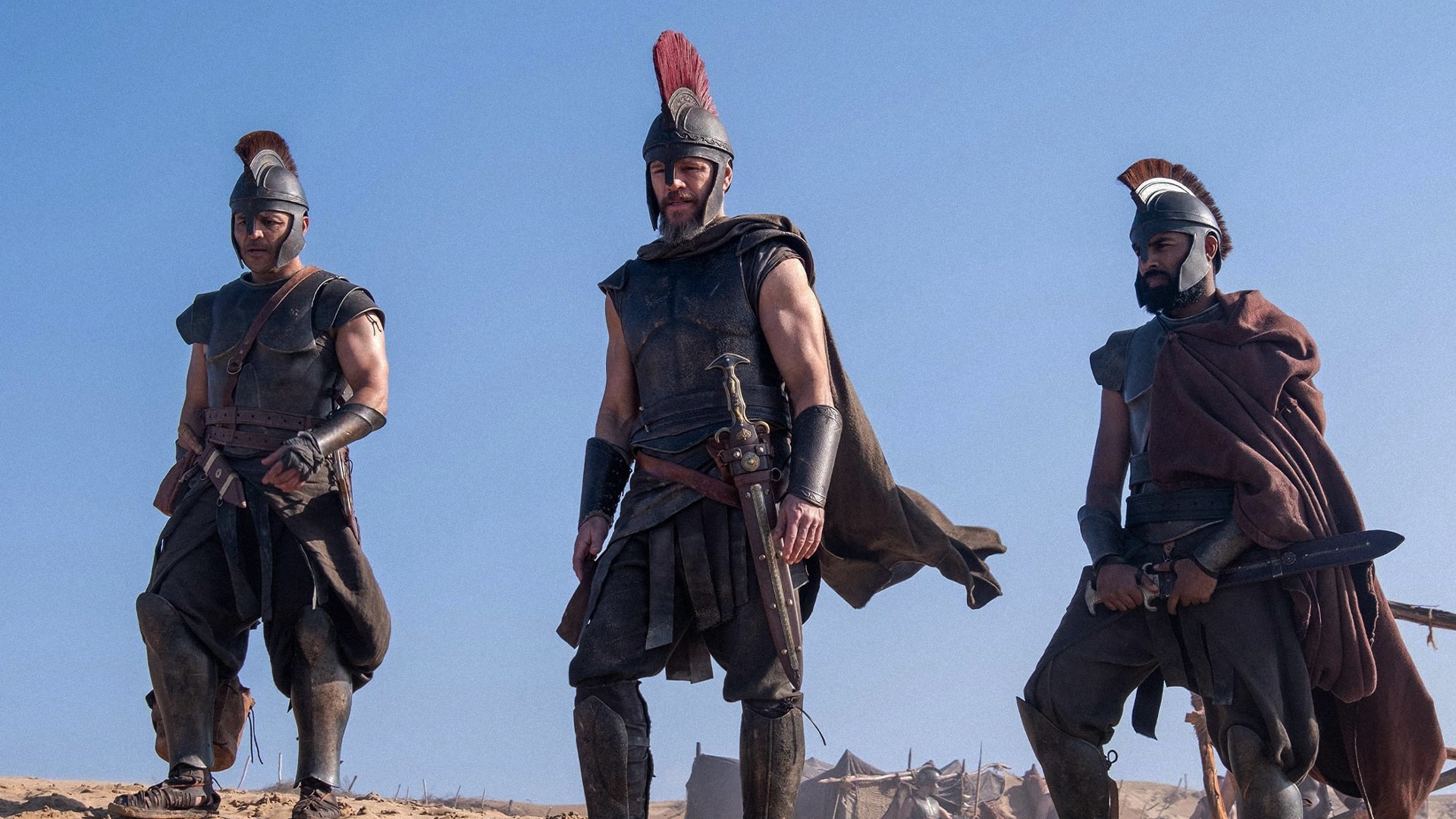
What if Homer’s epic «Odyssey» — or, rather, Christopher Nolan’s latest screen adaptation of it — were reframed as a cautionary tale of disastrous leadership, toxic communication and extreme schedule slippage?
Kazakh project manager Aitzhan Iskakov used an AI agent to create a satirical take on the theme «How I brought the project to completion,» imagining what kind of project manager Odysseus might have been.
The satirical post-mortem chronicles the decade-long struggle of a project manager named Odysseus as he attempts to deliver a seemingly simple transit initiative. Originally planned as a brief, two-week coastal voyage, the project suffered a staggering 900% schedule overrun, ultimately taking 10 years to reach completion.
Gods, blockers and poor communication
According to the case study, most of the project’s existential risks stemmed from self-inflicted communication failures. The author notes that 90% of the risks were essentially professional relationships ruined by executive ego.
In a classic corporate blunder, Odysseus turned a key stakeholder, Poseidon, into a «chief blocker» after publicly boasting about blinding Poseidon’s son, the Cyclops Polyphemus. The mistake triggered 10 years of active sabotage.
Meanwhile, Odysseus relied heavily on Athena, his «executive sponsor,» to keep the project from being shut down at the first gate, while Zeus served as a volatile escalation point who intervened only to burn assets.
The myth of acceptable losses
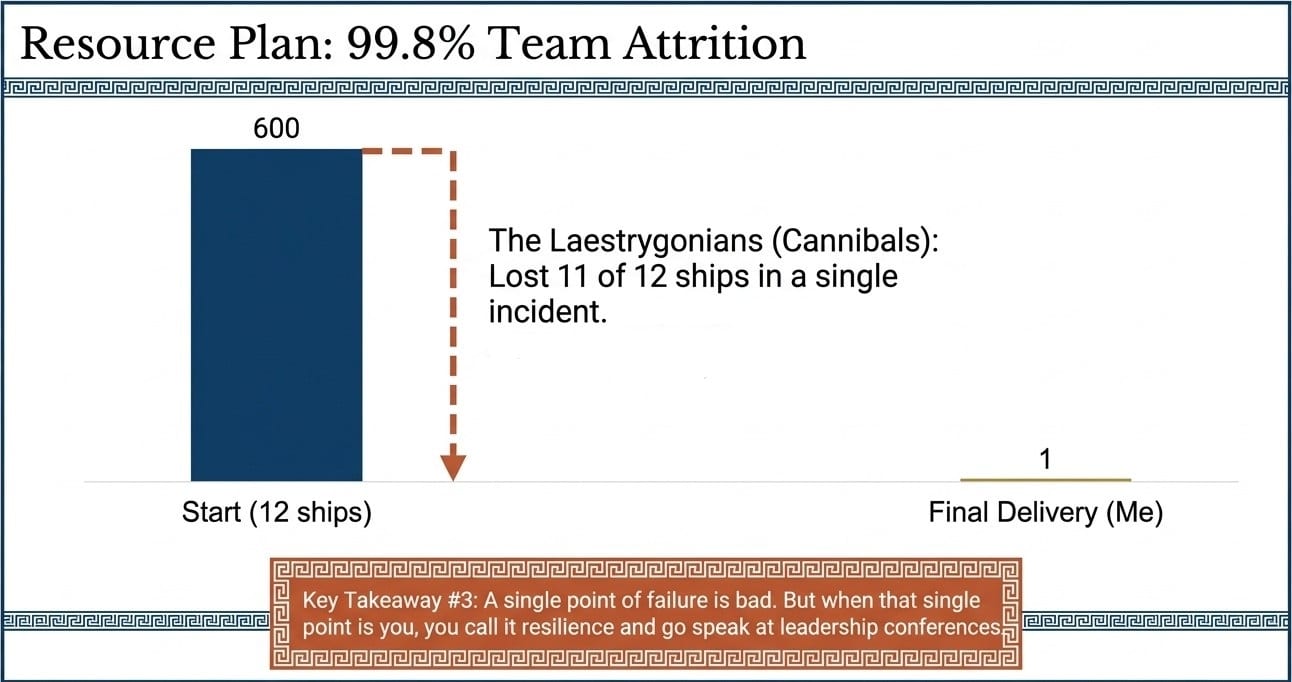
The resource-allocation metrics outlined in the document are catastrophic, showing a 99.8% team attrition rate. Of the initial crew of 600 people aboard 12 ships, only Odysseus survived to the finish line.
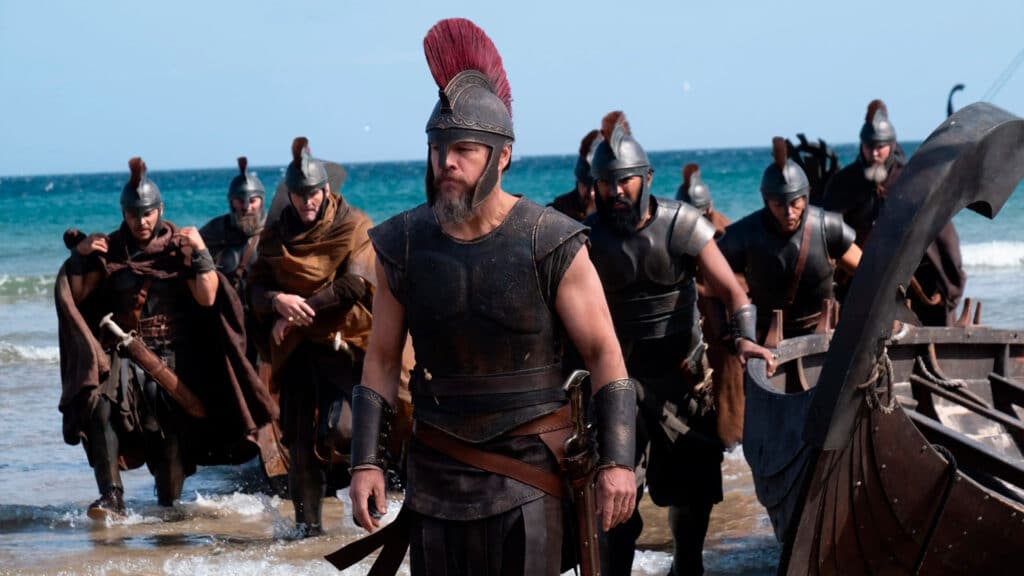
The document details several critical management failures that systematically wiped out the team:
- Disengagement: A stopover with the Lotus-eaters introduced the team to «motivation beanbags,» causing them to lose all desire to work.
- Onboarding issues: A yearlong partnership with Circe turned half the team into literal pigs, severely damaging their performance.
- Hidden metrics: When navigating Scylla and Charybdis, Odysseus chose to sacrifice six team members to Scylla without informing the crew beforehand — a move the study warns is easy to justify on a slide but devastating for morale.
- Burnout and rebellion: Exhausted by nine years of overtime, the starving crew ignored the project’s one hard rule and ate the sacred cattle of Helios, triggering a final intervention by Zeus that destroyed the remaining ship.
The seven-year résumé gap
One of the most relatable revelations for modern professionals is the project’s massive «extended discovery phase.» Odysseus spent seven years stranded with Calypso, a period officially reported on his résumé as «work-life balance» but actually representing a complete standstill that consumed 70% of the total timeline. It ultimately required direct board-level intervention from the gods to resume operations.
A truly blameless post-mortem
Despite losing all 12 ships and his entire team, the project technically met its final «Definition of Done» by securing Penelope’s 100% retention and neutralizing 108 predatory suitors.
The case study concludes with a biting critique of modern leadership culture. Odysseus successfully delivered himself, but none of his people. The author argues that the tech industry routinely praises this as «heroic leadership» because it evaluates managers solely on their personal survival rather than on the survival of the teams they were hired to lead.