How Putin’s Russia exploits global grievances to outlast the West

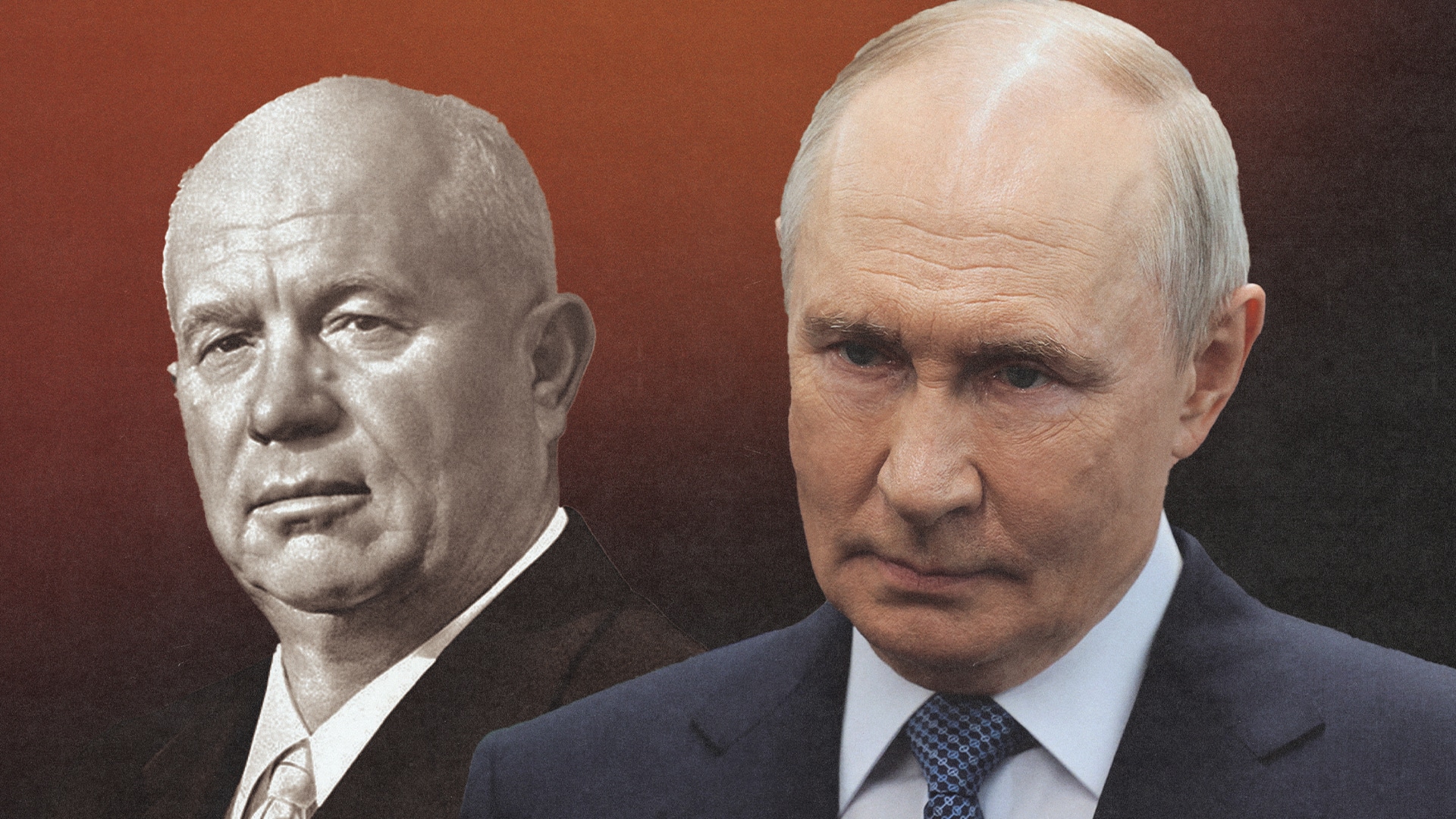
More than four years after launching its full-scale invasion of Ukraine, Russia has avoided the economic collapse and international isolation that some Western policymakers had predicted. Instead, Moscow has adapted its statecraft to wage a prolonged geopolitical struggle, relying on covert trade channels, information warfare and increasingly close partnerships across the Global South.
In her newly released book, «We Shall Outlast Them: Putin’s Global Campaign to Defeat the West,» foreign policy analyst Hanna Notte examines this strategy, detailing how the Kremlin has secured economic lifelines, built partnerships outside the West and sought to reshape the post-Cold War international order.
The construction of economic lifelines
To sustain its war effort in the face of unprecedented G7 sanctions, Russia rapidly restructured its trade networks. A centerpiece of that strategy has been the creation of a large «shadow fleet» of oil tankers. By relying on vessels that are not owned or insured by Western companies, Russia has sought to circumvent the G7 price cap on Russian oil, redirecting large volumes of crude to buyers in countries including India and China.
Notte highlights the scale of Russia’s oil revenues and the paradox that European countries can continue to import refined petroleum products made from Russian crude after the crude has been processed in third countries.
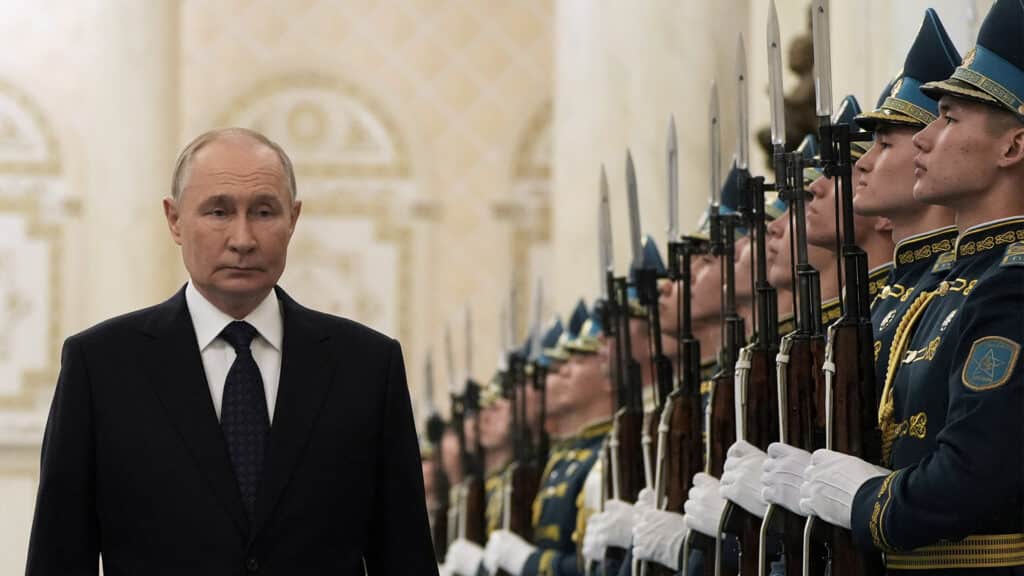
At the same time, the Kremlin has sought to circumvent Western technology restrictions through networks of third countries. This «Eurasian roundabout» has been accompanied by sharp increases in European exports of consumer electronics and industrial machinery to countries in Central Asia and the South Caucasus, some of which can then be re-exported to Russia.
Even consumer appliances such as washing machines and refrigerators have been cited in reports about the diversion of Western-made components for use in Russia’s military-industrial sector.
To facilitate trade with non-Western partners, Russia has also shifted much of its international financial activity toward China’s currency. Under Central Bank Governor Elvira Nabiullina, the yuan has become increasingly important in Russia’s reserves, trade settlements and domestic financial system. The Bank of Russia has acknowledged the yuan’s growing role in cross-border settlements, borrowing and deposits.
A triangle of defense partnerships
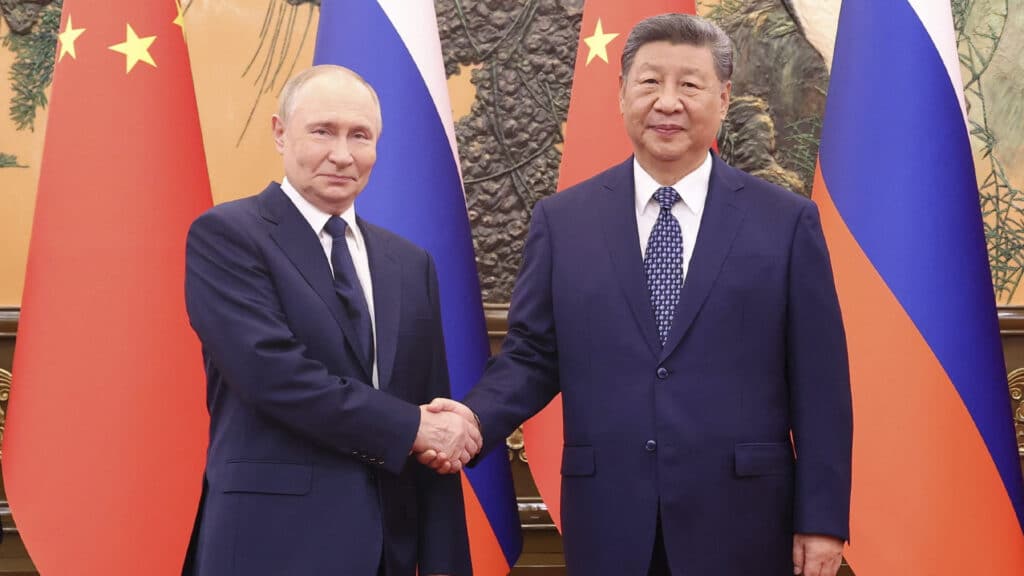
Russia’s ability to sustain its war effort has also been reinforced by expanding military cooperation with Iran, China and North Korea.
According to Notte, cooperation with Iran helped Russia establish a domestic drone production hub in the Alabuga Special Economic Zone in Tatarstan. The facility produces Iranian-designed Shahed drones and their Russian variants for use in the war against Ukraine. Independent research has documented the plant’s role in large-scale Shahed production.
China, meanwhile, has supplied Russia with dual-use goods, including microelectronics and machine tools, that can support the country’s defense-industrial production.
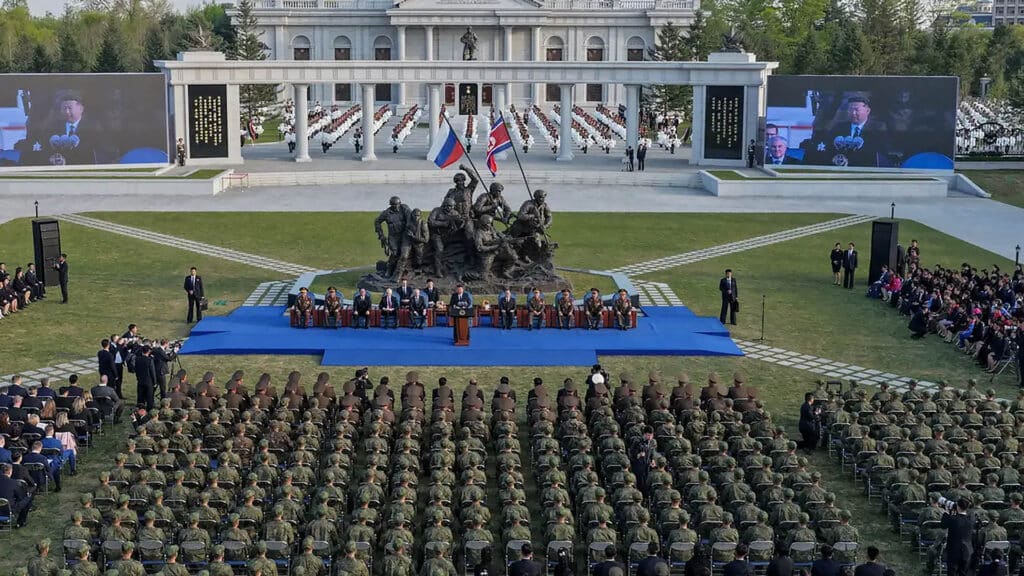
The most dramatic expansion of foreign military support has come from North Korea. Beginning in late 2023, Pyongyang supplied Russia with millions of artillery shells and ballistic missiles. By late 2024, North Korean leader Kim Jong Un had taken the unprecedented step of sending troops to support Russian forces. Subsequent reporting has documented the continued expansion of North Korea’s military involvement in the war.
In return for these military ties, Russia has provided or is believed to be providing military technology and battlefield expertise to its partners, creating what Notte portrays as an increasingly interconnected network of states challenging the Western-led security order.
Waging a war of narratives
Beyond securing supplies for the battlefield, the Kremlin has sought to build support in the Global South by exploiting longstanding grievances over Western influence.
Russian state-backed media and officials have portrayed the invasion of Ukraine not as a war of territorial expansion but as a struggle against Western dominance and what Moscow describes as «neocolonialism.» This messaging has found receptive audiences in parts of Africa and Latin America, where memories of Western intervention remain politically significant.
In her reporting from South Africa, Notte examines how the ruling African National Congress (ANC) continues to view aspects of international politics through the legacy of Soviet support for the anti-apartheid struggle. Some ANC veterans retain strong ties to that history, making them receptive to Moscow’s anti-imperialist messaging.
The Kremlin has also combined its anti-Western rhetoric with appeals to traditional social values. By presenting Russia as a defender of conservative family policies and an opponent of what it characterizes as «woke» ideology, Moscow has sought to appeal to traditionalist and right-wing constituencies in different parts of the world, including some conservative Afrikaners in South Africa.
Russia has also used the war in Gaza to accuse the U.S. and European countries of applying double standards on human rights, seeking to reinforce its broader narrative of Western hypocrisy.
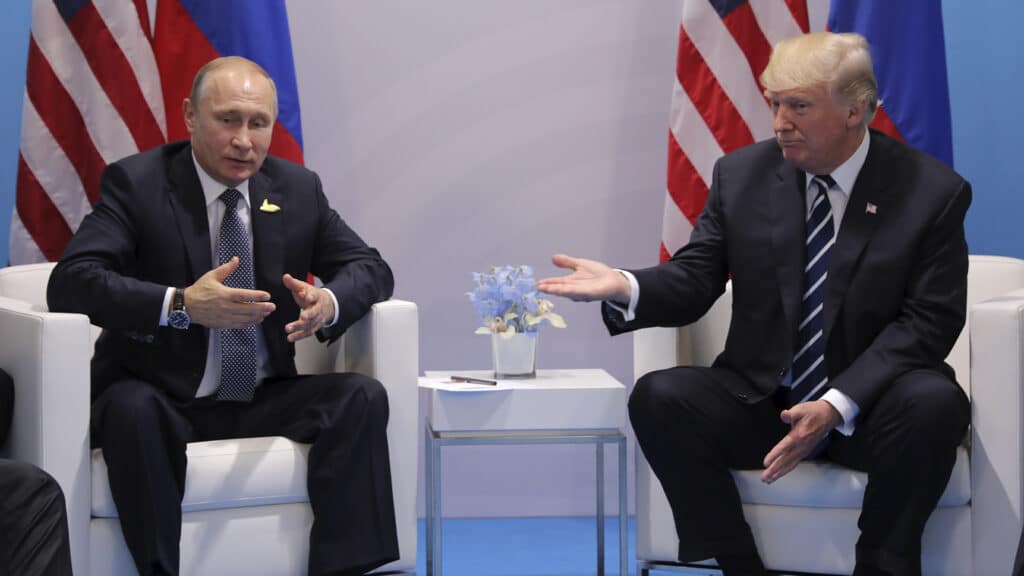
The limits of Russian power projection
Russia’s global campaign has also exposed significant weaknesses and limits to its geopolitical reach. Preoccupied with its war in Ukraine, Moscow has had fewer resources available to maintain influence in other regions.
In the South Caucasus, Russia’s failure to intervene decisively on behalf of its treaty ally Armenia during Azerbaijan’s military takeover of Nagorno-Karabakh badly damaged relations with Yerevan. Armenia subsequently moved to deepen its security ties with Western countries.
An even more significant setback came in the Middle East. In late 2024, Hayat Tahrir al-Sham and allied Syrian opposition forces launched an offensive that culminated in the collapse of President Bashar Assad’s government.
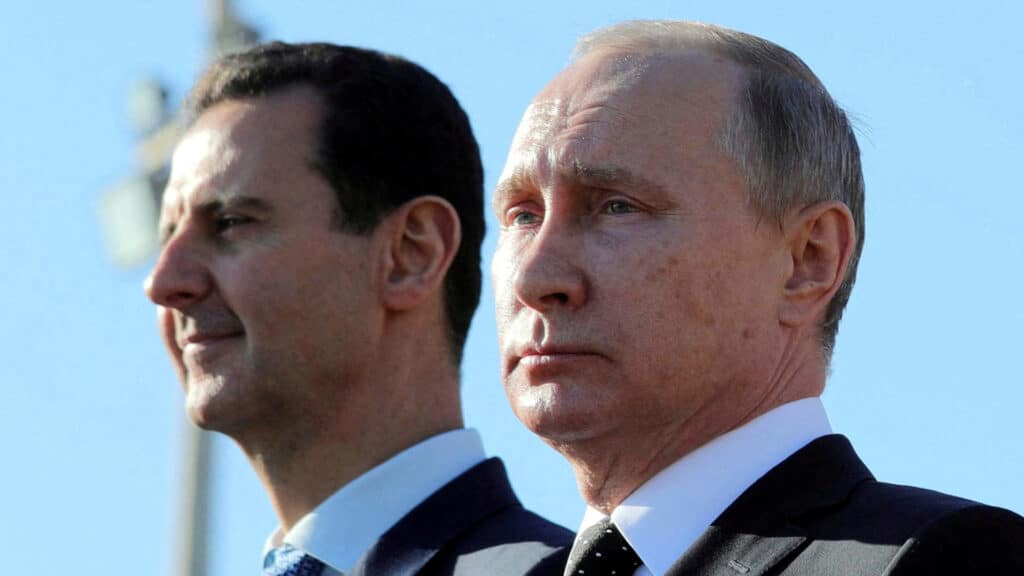
Russia, heavily committed to the war in Ukraine, was unable to prevent Assad’s downfall. Russian diplomats subsequently sought to establish relations with Syria’s new authorities and preserve access to its military facilities on the Mediterranean coast.
For Notte, the episode illustrates the limits of Russia’s ability to project power simultaneously across multiple distant theaters.
Nuclear threats and the European hybrid front
To deter direct Western intervention, Russia has repeatedly invoked its nuclear arsenal. Russian strategists including Sergey Karaganov and Dmitry Trenin have argued for a more assertive nuclear posture and warned that Moscow should restore a greater sense of fear among Western decision-makers.
Russia subsequently amended its nuclear doctrine and withdrew its ratification of the Comprehensive Nuclear-Test-Ban Treaty. It also deployed Russian tactical nuclear weapons to Belarus, according to Russian and Belarusian officials.
Alongside nuclear signaling, Moscow has pursued a broad campaign of hybrid activity across Europe. European authorities have investigated suspected Russian-linked sabotage operations, including fires at commercial facilities, interference with GPS signals in the Baltic region and cyberattacks targeting critical infrastructure.
Russia has also been accused of exploiting migration to create political pressure along European borders, including by facilitating the movement of migrants toward the Finnish border.
A future of stoykost and structural decay
Ultimately, Notte portrays a Russian state that has turned its capacity for endurance, or stoykost, into a strategic asset.
The Kremlin has insulated parts of the domestic economy, redirected trade toward non-Western partners and built transactional relationships with governments that challenge the Western-led order. But those adaptations have come at a significant long-term cost.
Russia’s economic and technological decoupling from Europe has increased its dependence on China, leaving Moscow in a weaker bargaining position in many areas of trade and technology.
Notte’s analysis suggests that while Putin’s strategy may succeed in testing Western political cohesion over Ukraine, it could also leave Russia facing deeper structural problems — including technological isolation, weaker long-term economic prospects and reduced strategic independence.