
Kazakhstan’s commercial banking sector experienced a massive surge in client funding in June, yet escalating credit risks and the accounting impact of state aid repayments have dampened overall industry profitability.
While banks absorbed 1.8 trillion tenge in corporate and retail deposits during June, the sector’s cumulative first-half net profit declined by 13.3% year-over-year to 1.19 trillion tenge.
Government aid exit triggers sharp loss
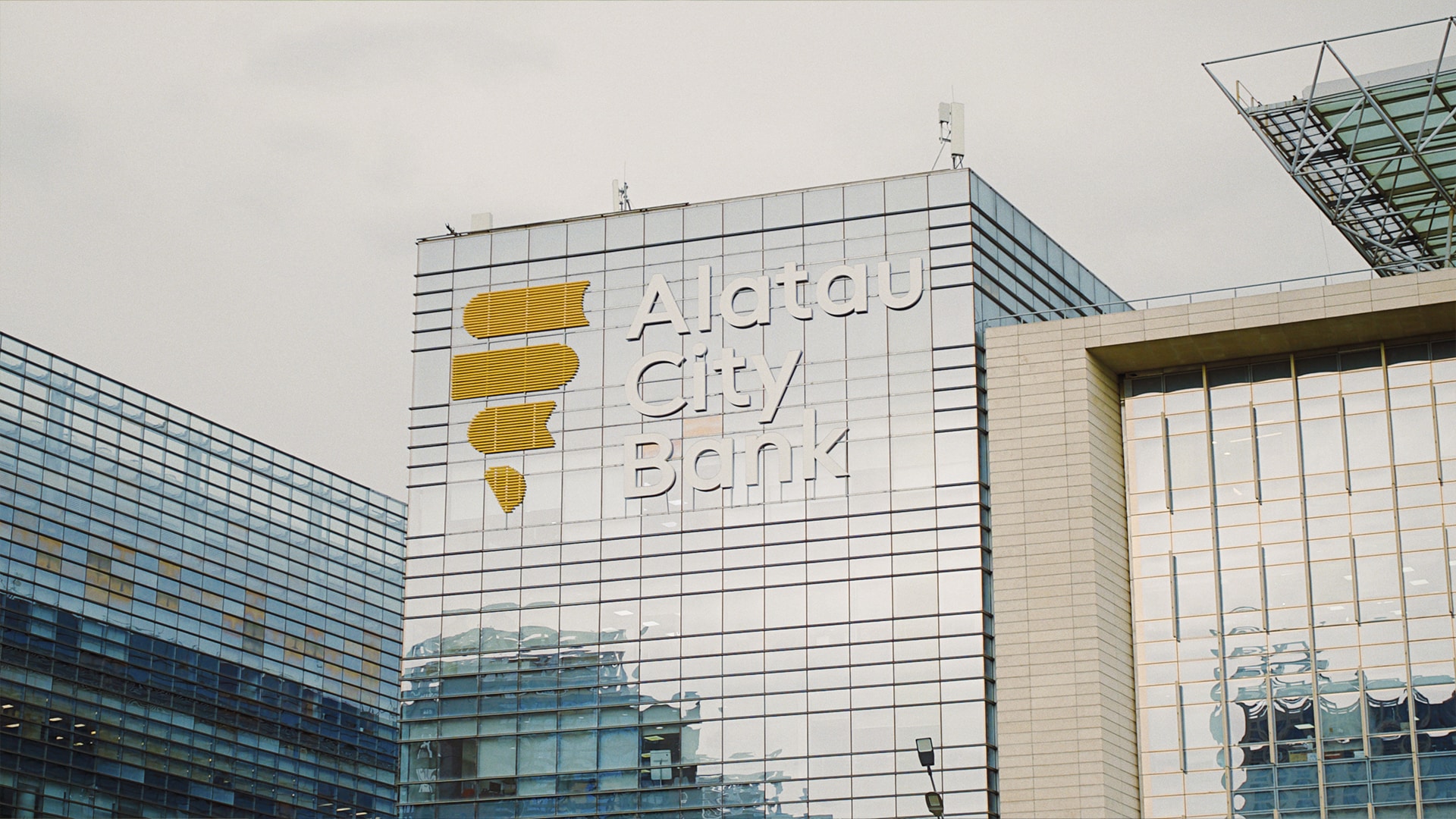
The half-year reporting period’s most dramatic shift involved Alatau City Bank. The lender saw its first-half net income plummet by 95.6% to 4.5 billion tenge, down from 101.3 billion tenge during the same period last year, driven by a massive 39 billion tenge net loss recorded in June alone.
The bank’s press office clarified that the June deficit was directly tied to the accounting effects of buying back previously issued bonds as part of an early repayment of 125.3 billion tenge in state support. The board’s June 29 approval meant these transaction costs hit the June balance sheet, though the bank did not execute the first 35 billion tenge repayment tranche until August 7, following a 30.3 billion tenge dividend payout to its sole shareholder on July 15.
Corporate and retail deposit dynamics
Despite the earnings squeeze, banks registered substantial liquidity inflows. Corporate deposits grew by 4.8% in June — a monthly increase of 946 billion tenge — representing the strongest corporate expansion of the year. Retail deposits also expanded by 2.8% in June, with Kaspi Bank leading this segment with an inflow of 298 billion tenge.
In contrast to some of its retrenching peers, Freedom Bank emerged as a standout performer, leading all major commercial lenders with a 14.2% expansion in assets to 2.96 trillion tenge during the first half of the year. The bank also grew its retail deposit base by 12.7% and achieved a major financial turnaround, recording a net profit of 12.7 billion tenge after suffering a 27.1 billion tenge loss during the first half of 2025.
Impaired loans outpace credit expansion
While sector assets rose by 4.9% during the first half to 74.2 trillion tenge, loan portfolio quality faced pressure. Defaulted loans — comprising Stage 3 and purchased or originated credit-impaired assets — grew by 12.1% during the first half of 2026 to 2.96 trillion tenge.
This deterioration outpaced overall credit expansion by a three-to-one margin, pushing the industry’s average non-performing loan ratio from 6.07% to 6.61%. Retail-heavy banks recorded the highest default rates, with Home Credit at 9.9% and Kaspi at 10.0%, while Alatau City Bank posted the highest non-performing loan ratio at 10.7%.