
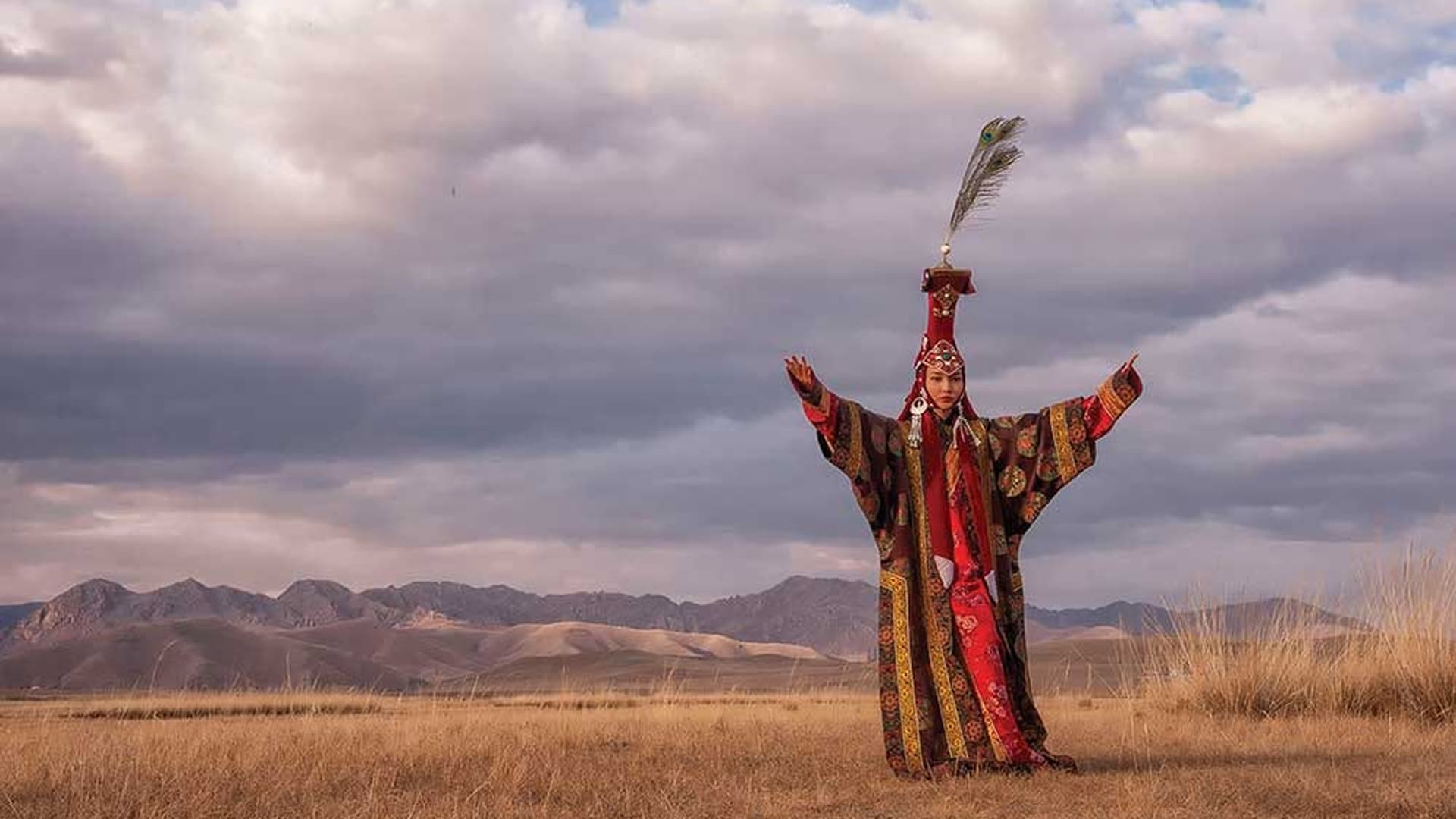
Many foreign travelers visiting the Golden Horde centuries ago later wrote about being stunned by the appearance of steppe horsewomen. From a distance, they looked like stern warriors wearing helmets and carrying spears above their heads. In reality, this was how noble women looked in their traditional tall headdresses, which attracted attention with their bright silk, feathers and jewelry. Kursiv LifeStyle explains the design and function of this medieval steppe fashion, while the full story is available here.
The tall headdresses of Golden Horde women were more than just beautiful accessories. They revealed a woman’s age, marital status and social status, according to archaeologist, historian and restorer Tetyana Krupa.
A «social passport» on the head
In the Golden Horde, noble women actively participated in state affairs and diplomacy. Girls’ everyday clothing looked almost like men’s attire, but after marriage, everything changed for them.
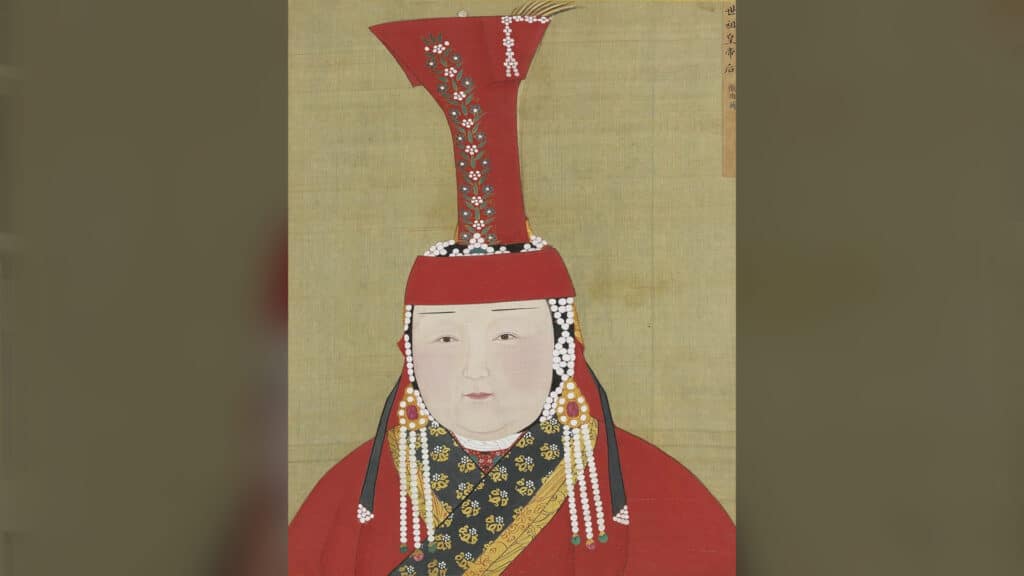
Only married women wore these tall headdresses. Expensive Chinese silks, gold, pearls, turquoise and feathers from rare birds demonstrated the family’s wealth and influence. At lavish receptions, the rulers’ wives lined up strictly according to rank. The headdresses of some noblewomen were so elaborate and heavy that maids had to support them from behind.
Why were headdresses so tall?
The headdresses had a special frame. It helped maintain their shape and added height. At the same time, the frame was light enough for a woman to move and ride.
Archaeologists have found unique items from this era in Kazakhstan. A headdress made of birch bark, leather, red brocade and gold thread was found at the Mukyr site in the Pavlodar region. The master craftsman designed the headdress to cushion movement. It allowed the wearer to ride and travel without fear of breaking the frame.
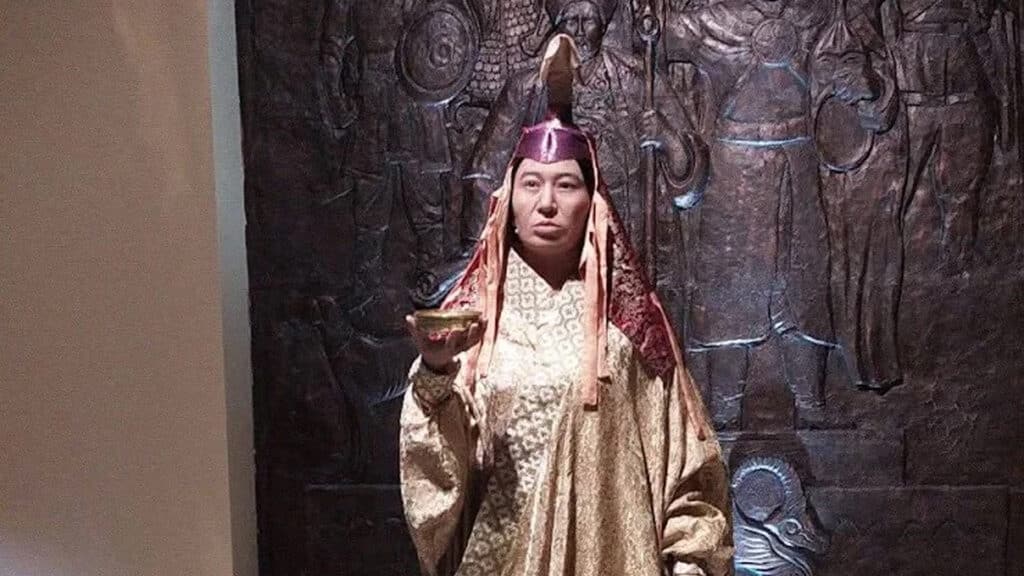
Finds from the Bolgan Ana mausoleum in the Ulytau region reveal the strong influence of Chinese court fashion, while in Sarayshyk, archaeologists discovered an elegant hairnet made of gold threads, modeled on a Byzantine design.
This means that women’s fashion in the Ulus of Jochi combined local traditions with influences from across Eurasia.
Connection with the Kazakh saukele
Interestingly, medieval headdresses did not disappear without a trace. Their main successor was the Kazakh wedding saukele.
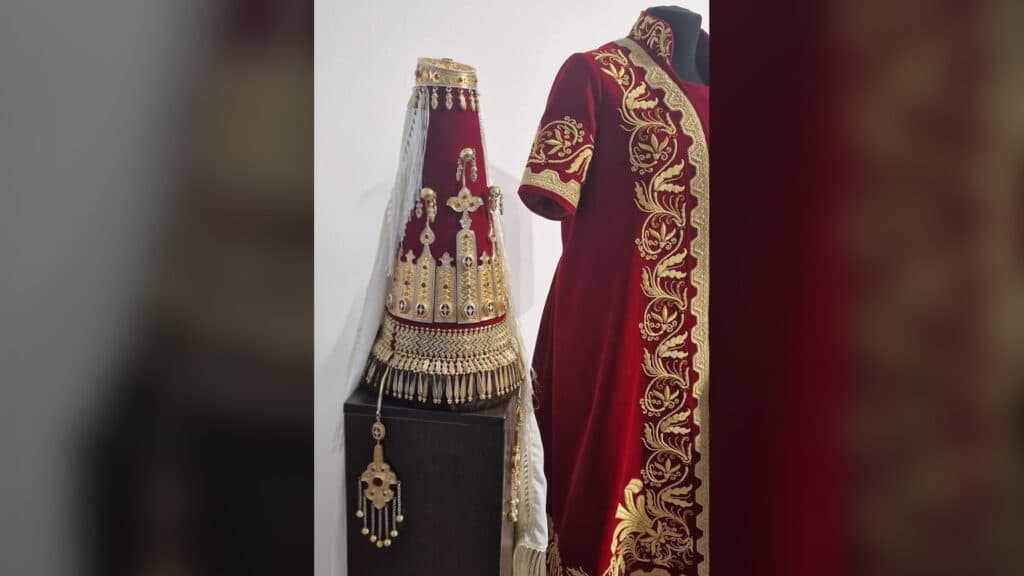
The saukele was decorated with precious fabrics, metal, stones, pearls and feathers. However, it cannot be considered an exact replica of medieval headdresses. Over the centuries, their shape and design changed significantly.
The general principle remained, though. A noble woman would demonstrate her status through a tall, richly decorated headdress.