

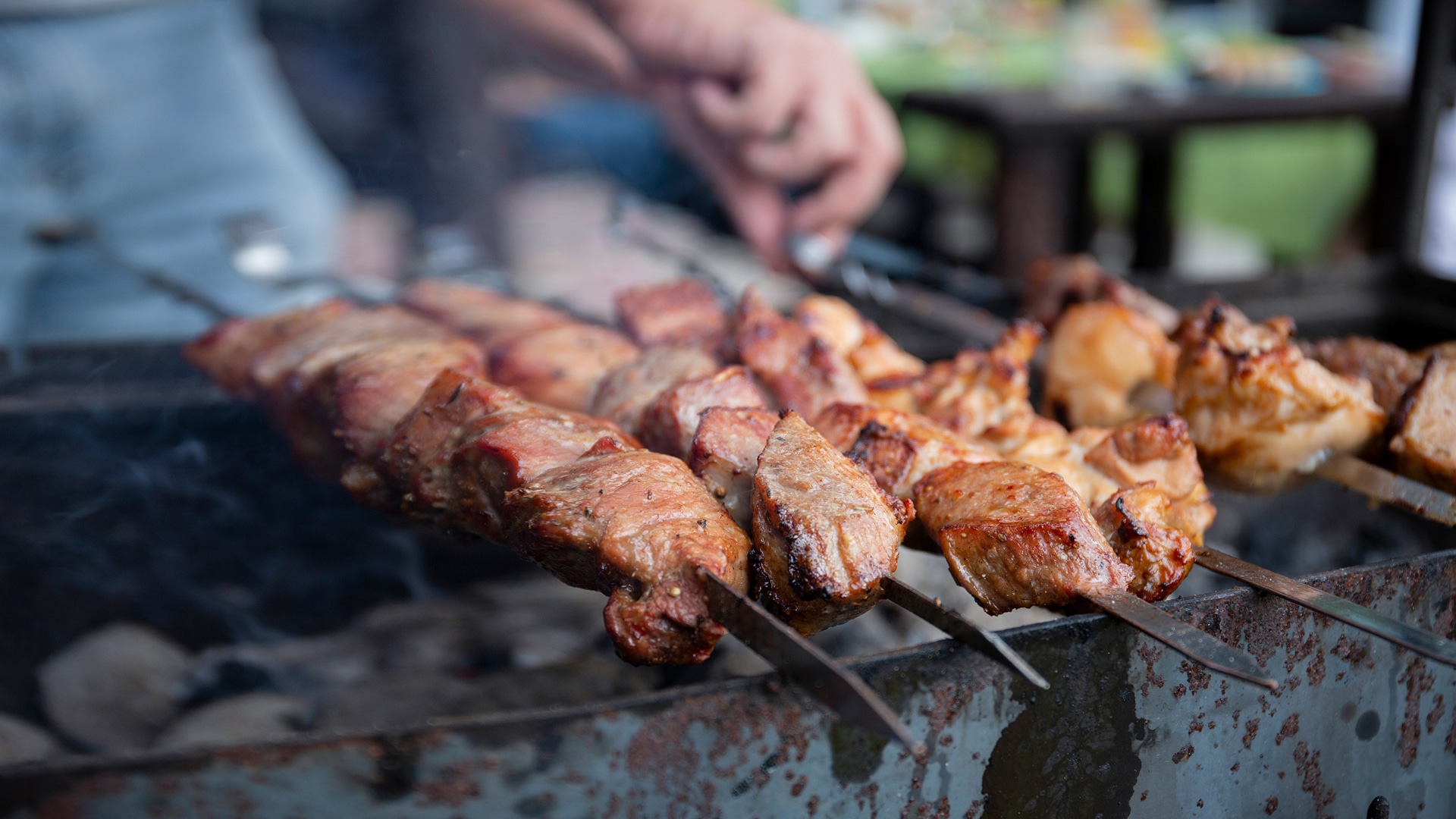
A few years ago, journalist and blogger Kirill Pavlov came up with an unusual way to track the value of the U.S. dollar against the Kazakh tenge: the «Shymkent Shashlik Index.»
He first discussed the idea in 2020. At the time, a single skewer of shashlik (kebab) in Shymkent cost about 420 to 450 tenge ($0.98-$1.05), while the dollar was trading at around 430 tenge.
Read also: Corruption at Kashagan: Who cooked shashlik?
According to Pavlov, the price of shashlik has remained close to $1 for many years. When the exchange rate was about 120 tenge to the dollar, a skewer cost 120 to 150 tenge. When the dollar reached 250 tenge, the price rose to about 200 to 250 tenge.
Pavlov says the pattern has continued.
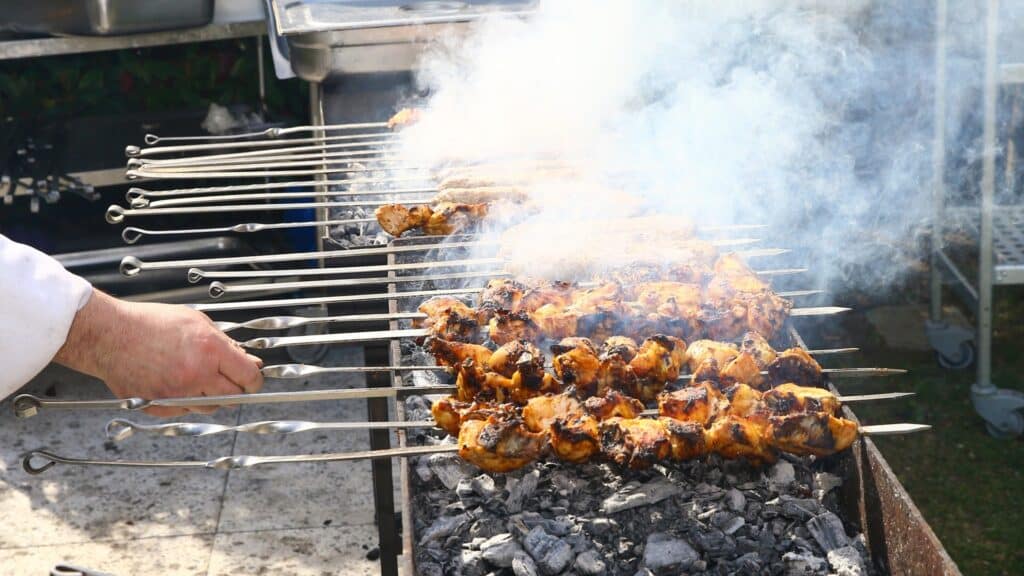
The «index» is based on a simple economic principle. Lamb is the main ingredient in shashlik, and its price is influenced by a range of factors, including feed costs, transportation, rent, utilities and currency fluctuations. Those costs eventually feed through to the price paid by consumers.
«To be more precise, the Shymkent Shashlik Index reflects the dollar’s value more accurately than the official exchange rate,» Pavlov said. «Now, as I understand it, for the index makers — the shashlik makers — to operate comfortably, the price should be 800 to 1,000 tenge.»
In essence, the Shymkent Shashlik Index can be viewed as a Kazakh counterpart to the Big Mac Index, although it is an informal measure rather than an established economic indicator.
The Big Mac Index, developed by The Economist, uses the price of the same McDonald’s burger in different countries to compare currencies and purchasing power. The Shymkent version applies a similar idea to a much more local staple: a skewer of shashlik.