Kazakhstan manufacturing activity contracts as new orders decline

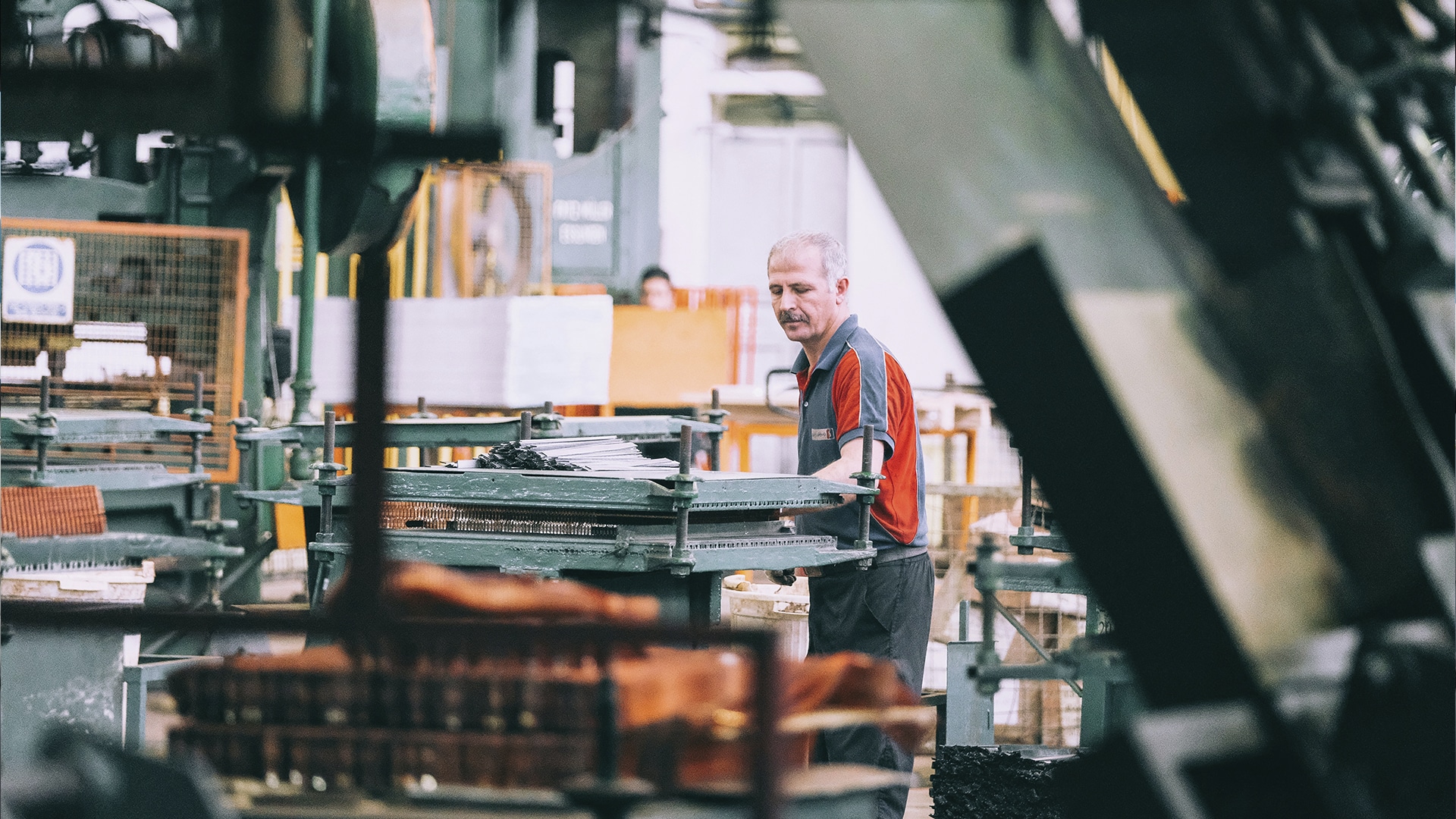
Kazakhstan’s manufacturing sector is experiencing one of its sharpest downturns in four years. Amid falling demand and a lack of new orders, some large domestic manufacturers have begun to suspend production and place employees on unpaid leave.
PMI falls as new orders decline
In August, the sector’s Purchasing Managers’ Index (PMI), calculated by Freedom Holding Corp., fell to 46.0 from 47.0 in July. This marked the third consecutive month that the index remained below the critical 50.0 threshold, indicating continued contraction in the sector.
The current downturn is one of the sharpest on record, with more severe declines recorded only during the pandemic in April 2020 and in January 2022. A key factor behind the contraction was a sharp decline in new orders amid weakening consumer purchasing power. New orders fell for the fourth consecutive month in August, with the rate of decline reaching its fastest pace in more than 4 years.
Production cuts and staff reductions
Declining demand is forcing businesses to take measures to reduce costs. Production has declined for eight consecutive months. Several survey respondents reported suspending operations entirely due to a lack of orders.
As production declined, manufacturers also reduced staffing levels. Employment fell for the seventh consecutive month, with the rate of job cuts reaching its highest level since January 2022. Companies also reported placing employees on unpaid leave.
Rising costs and supply chain pressures
Despite weaker demand, manufacturers’ production costs have continued to rise. In August, businesses reported further increases in the cost of metals, textiles and utilities. Delays in raw material shipments at the Russian border exacerbated the situation. In response, companies have been forced to raise prices for finished goods.
According to Saltanat Mukhambetaliyeva, head of economic research at Freedom Holding Operations, the PMI has been below the neutral 50.0 threshold in 14 of the past 15 months. The sharpest decline in business activity was recorded in the food industry. Experts warn that stagnation among large companies could have a ripple effect on suppliers and related industries, including smaller businesses and subsectors.
In early August 2026, business publications had already reported a concerning trend, as Kazakhstan’s PMI fell amid a growing shortage of new orders.
Freedom Holding Corp.’s August report shows that the downturn that emerged this summer has deepened.
The PMI is a key leading economic indicator. A reading above 50.0 indicates an expansion in business activity, while a reading below 50.0 indicates contraction.