Toasting to peace: How alcohol sealed 18th-century Kazakh diplomacy

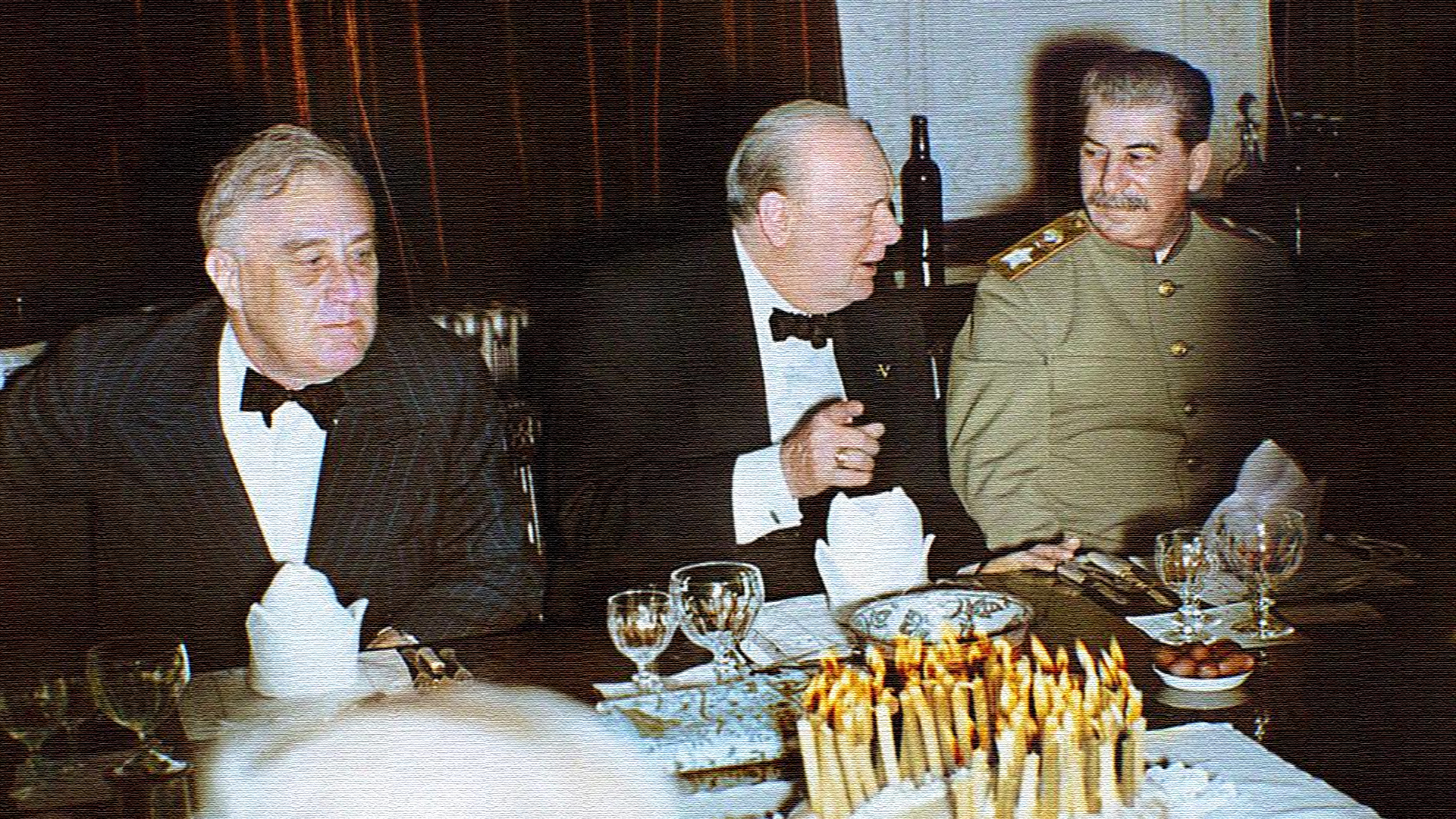
Throughout history, international agreements and peace treaties have rarely been concluded over glasses of fruit juice. Instead, alcohol has often played a ceremonial and social role in diplomacy, helping mark agreements, ease negotiations and build relationships between groups divided by language, culture or political interests.
Cultural writer Stuart Walton argues that alcohol has long been closely associated with the formal sealing of agreements. In his account, the tradition reflects a basic challenge of diplomacy: finding ways to overcome distrust and establish personal connections between negotiating parties.
The psychological lubricant of statecraft
Alcohol’s place in diplomatic culture has often been attributed to its ability to lower inhibitions and encourage more informal conversation. James Landale, a veteran diplomatic correspondent, has described alcohol as the «holy spirit» of international relations, arguing that it can serve as an icebreaker, loosen tongues and turn formal exchanges into more candid conversations.
The connection between alcohol and truth-telling is reflected in the Latin expression in vino veritas — «in wine, truth.» Walton notes that the phrase has traditionally been associated with the idea that moderate intoxication can make people more willing to speak openly. Sober negotiators, by contrast, may carefully manage their words and avoid revealing their unfiltered views.
From ratafia to the Kazakh steppe
The association between alcohol and formal agreements has also left its mark on language and diplomatic traditions. Walton notes that the name ratafia, traditionally associated with a sweet French liqueur or wine, has been linked to the phrase used to signify the ratification of an agreement. In another well-known example, the signing of the Declaration of Independence in 1776 was followed by a toast with Madeira wine, reflecting the era’s close connection between political milestones and ceremonial drinking.
The use of alcohol in diplomacy could also create cultural tensions when expanding empires encountered societies with different drinking traditions. Historians say alcohol became more widespread in the Kazakh steppe after the region came under Russian rule.
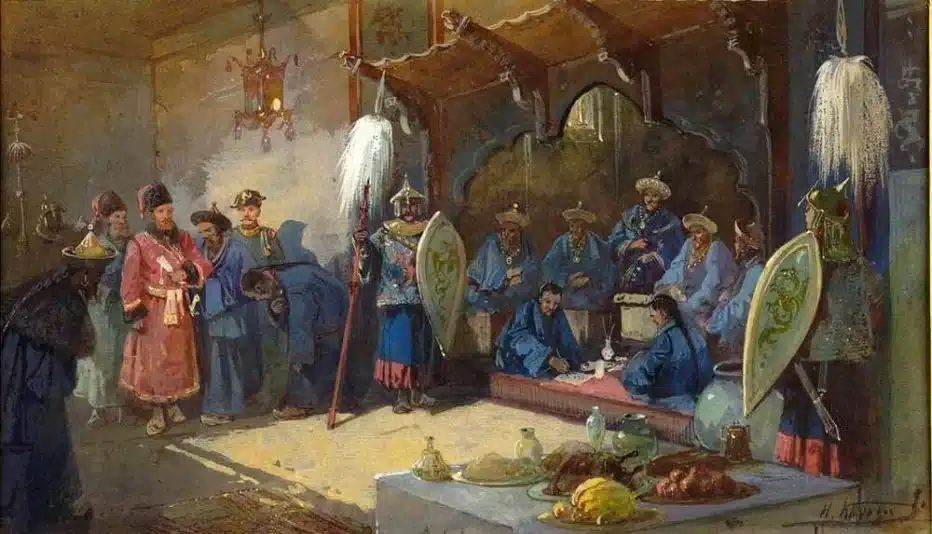
Professor Khankeldy Abzhanov cites an episode from 1740 as an example. After negotiations, a meal was served, during which representatives of the tsarist administration offered wine to the Kazakh rulers. They politely declined. Archival records, however, indicate that the guests ultimately observed the customary etiquette and drank.
From a journal documenting the conversations between Lieutenant General Prince V. Urusov and representatives of the Little and Middle Zhuzes [Kazakh tribal confederations, hordes] during their visit to Orenburg to swear allegiance to Russia, Aug. 19-Sept. 1, 1740:
«Then [after the oath of allegiance had been taken], it was reported that the food had already been placed on the table, and they went to the table to begin dinner. During the meal, the following toasts were accompanied by cannon fire: 1) the health of Her Imperial Majesty (H.I.M.) — 21 cannon shots; 2) the highest names of Her Imperial Majesty (H.I.M.) — 17; … 4) Abulmambet Khan, his entire family and horde — nine; … 6) Abylai Sultan and his entire family — nine. […]
During the drinking of the high-ranking toasts, the khan and sultan repeatedly made excuses, citing their infirmities and the unusual circumstances, saying that there was no such custom among them. They said that once they were better acquainted, they would drink more, but for now, they could not, adding: ‘Our hearts are now, by the grace of Her Imperial Majesty, cheerful even without wine.’
But when the last toast was proposed, the lieutenant general asked them to drink one final time and not be troubled with it afterward. The khan then said: ‘After this, we must drink your health, lieutenant general.’ When the cup was passed around, the khan himself began drinking.
After that, the dishes were cleared from the table, and sweets, fruit, coffee and tea were served.»
Ultimately, excessive drinking carries significant professional and health risks. Yet throughout history, a shared drink — when consumed in moderation — has also served as a powerful social ritual, helping diplomats build rapport and advance their countries’ interests, one glass at a time.