

The relentless drive for personal success is fueling a silent epidemic of physical and mental exhaustion across the globe. A recent ranking by World Population Review highlights how chronic fatigue has evolved from a personal complaint into a measurable international trend.
Modern society, as philosopher Byung-Chul Han argues, has shifted from traditional disciplinary institutions such as factories and prisons to achievement-oriented spaces such as office towers and fitness studios. In this «achievement society,» individuals increasingly become entrepreneurs of themselves, voluntarily exploiting themselves in the pursuit of ever-higher levels of productivity.
Wealthy nations often report high levels of burnout, suggesting that affluence does not necessarily guarantee well-being.
The geography of exhaustion
Societal design heavily influences how tired citizens feel. In the U.S., nearly one in three adults regularly experiences exhaustion, a crisis worsened by late-night screen time and diets high in refined sugars. In Japan, the cultural pressure to overwork carries extreme risks, with an estimated 20 percent of employees facing life-threatening conditions linked to overwork, known locally as karoshi.
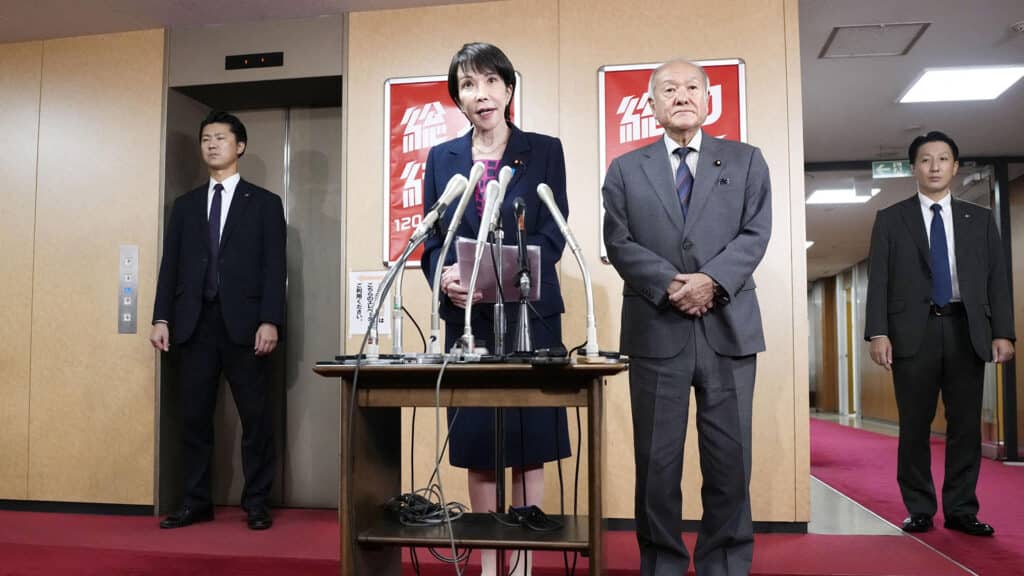
After winning the leadership election of Japan’s ruling Liberal Democratic Party, Sanae Takaichi declared, «I will abandon the term work-life balance,» vowing instead to «work, work, work, and work.»
While South Korea consistently records some of the longest annual working hours, Germany reports rising fatigue despite shorter workweeks, demonstrating that mental strain can drain energy just as much as physical labor. Meanwhile, countries like Canada and Australia report high stress-related exhaustion, particularly among younger professionals struggling with career development and cost-of-living pressures.
Rest as a strategic asset
How people eat, sleep and live directly determines their daily energy levels. For instance, Singapore ranks among the most sleep-deprived nations, averaging under six and a half hours of rest per night, which can cut cognitive performance by 30 percent over a week. Conversely, the Netherlands enjoys superior sleep quality, and Italy benefits from a nutrient-dense Mediterranean diet that supports stable energy.
Furthermore, access to nature plays a critical role, as seen in New Zealand, where lower population density and green spaces help combat daily stress. Living near natural environments is shown to reduce tiredness symptoms by up to 20 percent.
As workplace fatigue is projected to cost the global economy more than $1 trillion annually by 2030, managing human energy has become a vital priority. Shorter workweeks and flexible schedules are expanding worldwide, offering a promising future where rest is viewed as a fuel for productivity rather than lost time.