Kazakh parents are tuning out of their children’s schoolwork

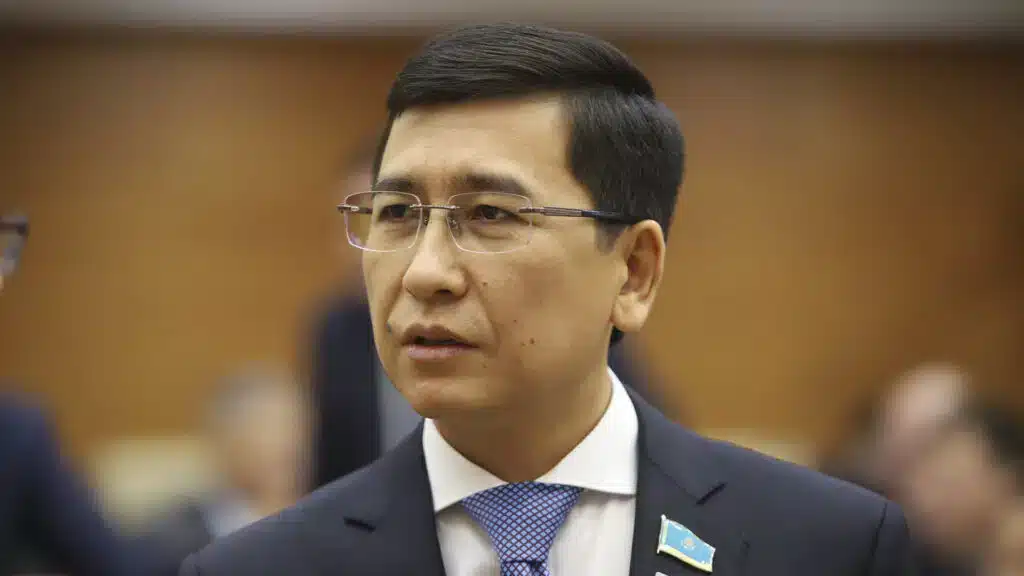
Kazakh MP Askhat Aimagambetov has drawn attention to the results of the international PISA study, which, he said, reveal more about the country’s education system than average test scores alone.
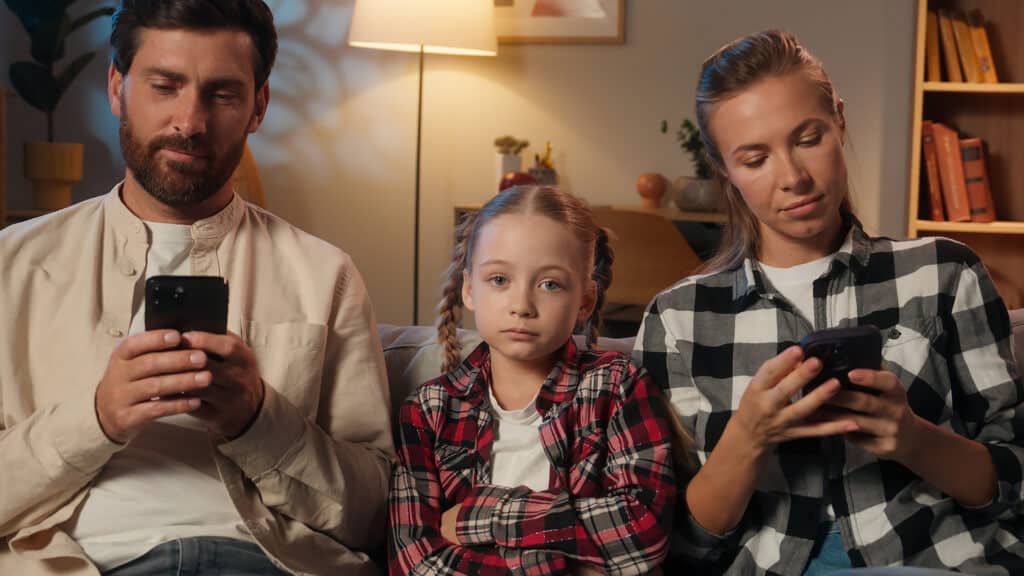
According to Aimagambetov, family involvement in children’s education has declined noticeably in Kazakhstan. In 2022, 68% of schoolchildren said their parents asked them at least once a week what they were doing at school. By 2025, that figure had fallen to 54%.
The proportion of children who discussed school-related problems with their parents at least once a week also declined, from 61% to 45%. The trend has been observed in almost all countries, but the decline in Kazakhstan has been particularly significant.
Read also: ‘Do you love your phone more than me?’ How screen time impacts kids.
Strong teacher support
Against this backdrop, data on teacher support stand out. Kazakhstan’s teacher support index was +0.65, compared with an OECD average of +0.03.
Student responses about science lessons provide further insight:
- 85% said their teacher was interested in each student’s learning.
- 86% said their teacher continued explaining until students understood the material.
- 88% said they received additional support when needed.
All three figures were significantly higher than the OECD averages.
«This paints an interesting picture. Support for children at home is declining, while schools and teachers, by contrast, continue to shoulder a very large share of this burden,» Aimagambetov said.
An expanding role for teachers
Aimagambetov noted that the role of teachers has expanded significantly. They do more than explain lessons; they support students, revisit material they do not understand and help prevent them from falling behind.
The MP emphasized that PISA results cannot be viewed solely as an assessment of school performance. They are also connected to what is happening at home.
«The best results are achieved when the school and family don’t shift responsibility to each other, but support the child together,» he said.