
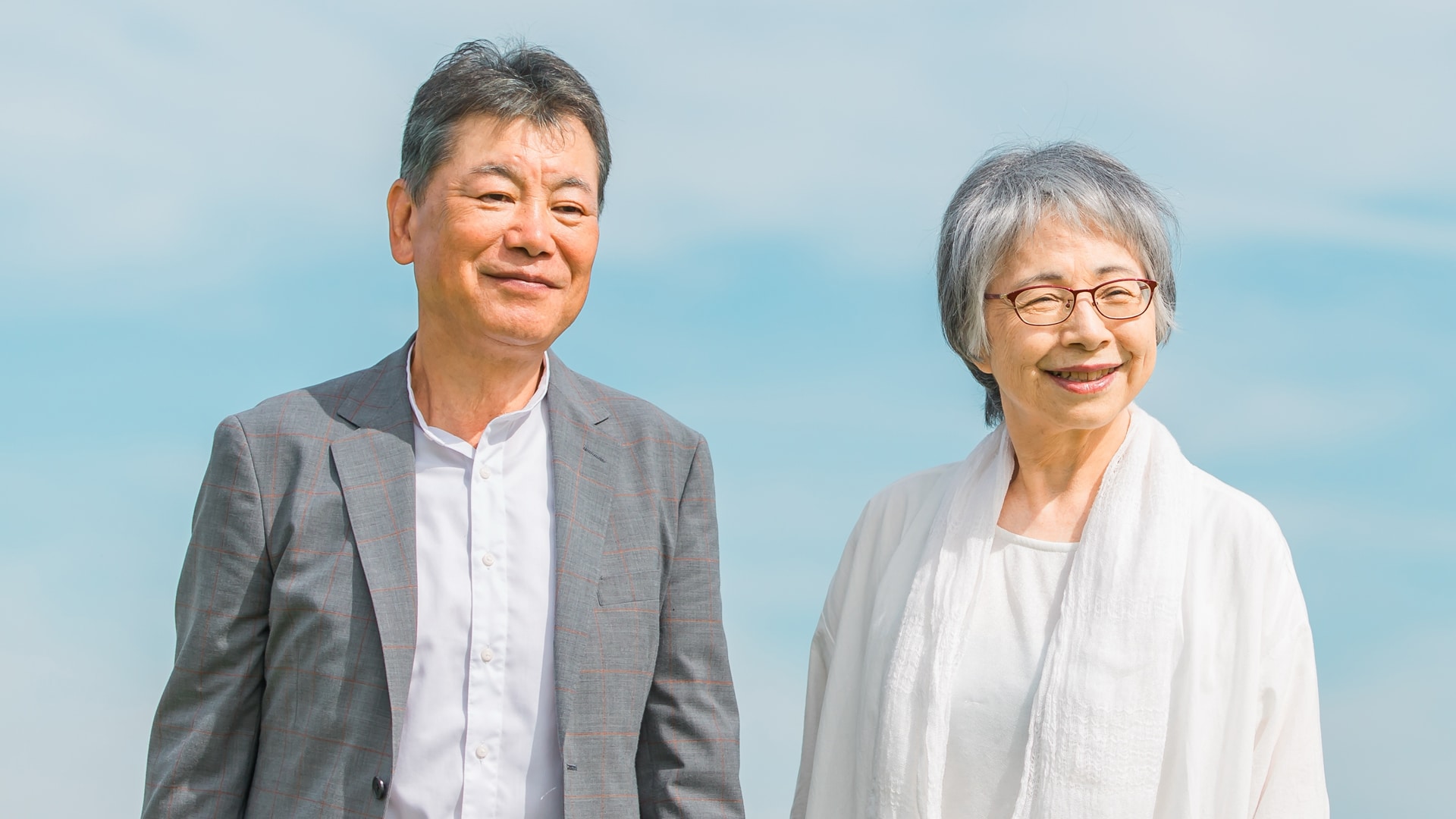
Japan’s centenarian population has surpassed 100,000 for the first time, highlighting the country’s exceptional longevity as it grapples with broader demographic decline, CNN reported.
Japan’s Ministry of Health, Labor and Welfare said the number of people aged 100 or older reached 107,677 in September, up nearly 8,000 from a year earlier.
For decades, Japan has ranked among the countries with the highest life expectancies in the world, with women accounting for the vast majority of centenarians.
Researchers have linked Japan’s longevity to several factors, including a diet rich in fresh fish, access to advanced healthcare and lifestyle factors. The latter is particularly interesting because, despite the country’s demanding work culture, Japanese tradition places considerable value on finding purpose and meaning in everyday life. This idea is commonly known as ikigai.
According to Héctor García, co-author of «Ikigai: The Japanese Secret to a Long and Happy Life,» having a reason to get up in the morning can contribute to both mental and physical well-being.
Staying busy well into old age is common among many Japanese seniors, whether through employment, hobbies or participation in their communities. Social connections also appear to play an important role as elderly Japanese often spend time with friends and neighbors, gathering for celebrations, karaoke and other activities.
Japanese authorities, for their part, are introducing measures to expand employment opportunities and encourage social participation among older people.
However, Japan’s aging population also presents significant economic and social challenges, putting greater pressure on healthcare and elderly-care systems as the birth rate remains low and the workforce shrinks. Labor shortages have also prompted the country to rely more on foreign workers — a notable shift for a nation that has traditionally maintained relatively restrictive immigration policies.