
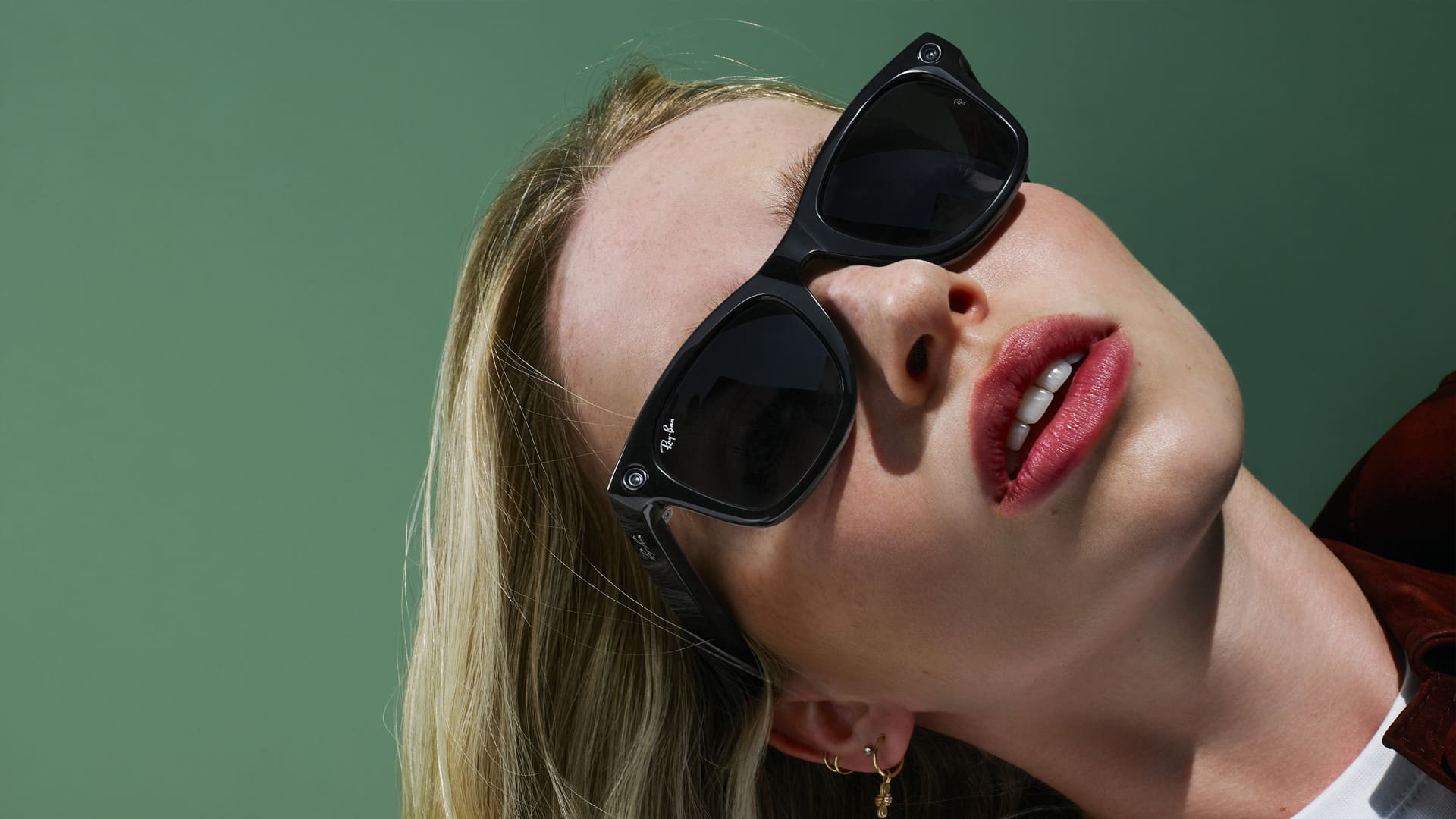
Smart glasses are drawing growing privacy scrutiny as cameras become more discreet and AI capabilities make it easier to record people without their knowledge or consent.
Meta’s AI-enabled glasses lead the global market with roughly a 76% share. About 7 million pairs were sold worldwide last year, raising privacy concerns in workplaces, public spaces and other settings where people may not realize they’re being recorded.
Though they look like conventional eyewear, Meta’s glasses have a built-in camera that lets users photos or record video anywhere. Some models use a small light to indicate when recording is active. Still, critics argue this is not a reliable safeguard: the light is easy to miss or conceal, and it does nothing to ensure the consent of the person being filmed.
International response
Several countries are now responding. In France, authorities are investigating potential misuse of the technology, including at least one criminal investigation opened after women complained they were filmed on the street without consent, with the footage later posted online. France’s data protection authority, CNIL, has also received multiple complaints about the use of smart glasses in workplaces, Reuters reported.
Australia — the first country to ban social media for teenagers — is considering a ban on camera-equipped smart glasses in federal government workplaces, citing privacy and security concerns.
Norway has also introduced restrictions on smart glasses in schools, while in Germany, a consumer advocacy group has filed a criminal complaint against Meta and other smart-glasses makers, alleging violations of privacy law.