US changes endangered species rules, narrows definition of ‘harm’

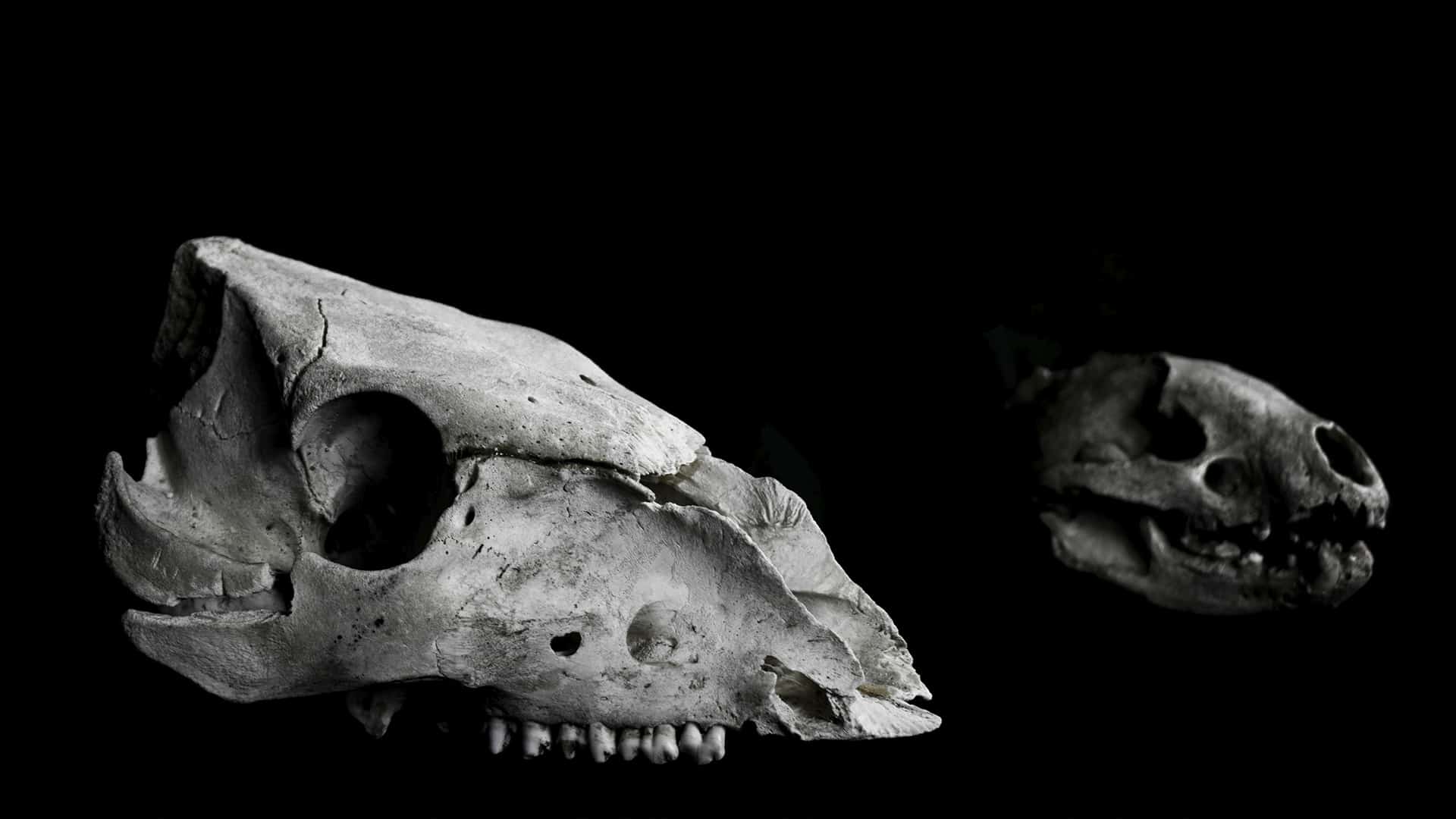
The U.S. government has introduced a narrower interpretation of protections for endangered wildlife, under which accidental or indirect deaths of protected species generally would not constitute an illegal «take» unless the animals were intentionally targeted, The Associated Press reported.
The new interpretation was outlined in a Sept. 14 directive from U.S. Fish and Wildlife Service Director Brian Nesvik. The directive provides guidance on how the agency will enforce a rule finalized in July and effective Sept. 14 that removed the longstanding regulatory definition of «harm» under the Endangered Species Act (ESA).
Under the new approach, activities such as logging or construction could proceed even when they are expected to result in the deaths of protected animals, provided that killing or capturing those animals is not the purpose of the activity.
History of the issue
Since 1973, when the Endangered Species Act was adopted, federal agencies had interpreted «harm» broadly enough to include significant habitat modification that killed or injured protected wildlife. In 1995, a group of individuals and organizations associated with the timber industry and other land-use interests challenged the government’s interpretation of «harm» in court. However, the Supreme Court upheld the official interpretation, ruling that the term could encompass significant habitat modification that actually kills or injures protected wildlife.
This year, the government moved to change that approach, arguing that federal authority had previously extended beyond the language enacted by Congress and that the changes would restore the law’s original meaning, reduce unnecessary permitting and provide greater certainty for landowners and businesses.
Conservationists warn of habitat risks
Environmental groups and former wildlife officials say the new policy could significantly weaken environmental protection efforts because many threats to endangered species come from habitat destruction rather than deliberate killing.
They argue that logging, dams, construction and other development could destroy habitats and kill protected wildlife without triggering the same federal liability that existed under the previous interpretation.
Passed in 1973, the Endangered Species Act is one of the principal U.S. wildlife conservation laws. It prohibits the unauthorized «take» of endangered animals, a statutory term covering actions including killing, wounding, hunting, trapping and capturing wildlife.