
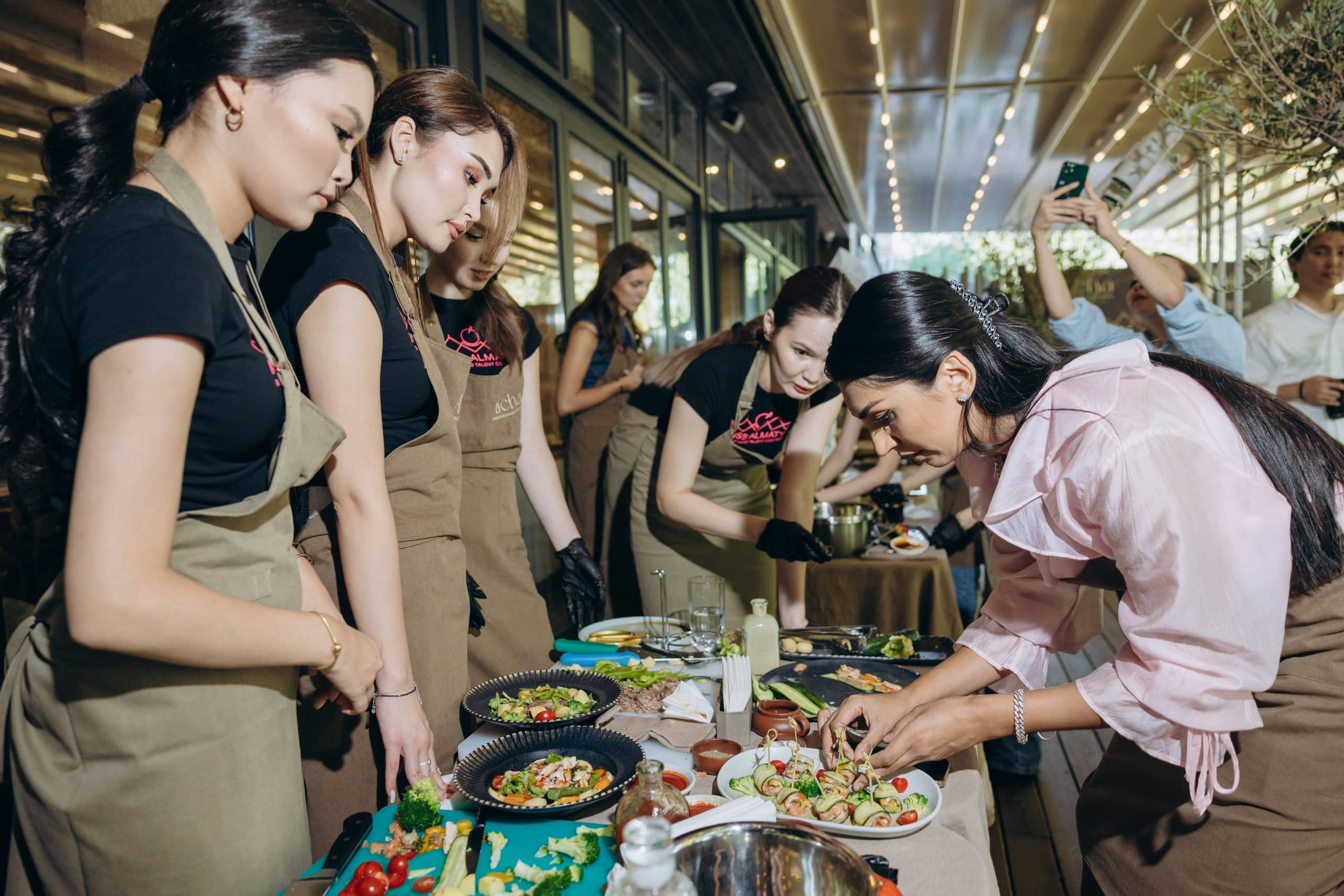
Around the world, the cherished daily ritual of preparing meals at home is quietly disappearing as fast-paced lifestyles, modern technology and convenience redefine global dining habits. A recent ranking by World Population Review highlights how urbanization, demanding work schedules and digital delivery services are turning home cooking from an essential domestic necessity into an optional lifestyle choice.
Researchers project that by 2035, more than half of all urban meals globally will be prepared outside the home.
The convenience revolution across Western nations
In the U.S., severe time scarcity and long work hours have reduced average home meal preparation to less than 30 minutes daily. Over one-third of American adults consume fast food every single day, and households now spend significantly more money on dining out than on traditional groceries.
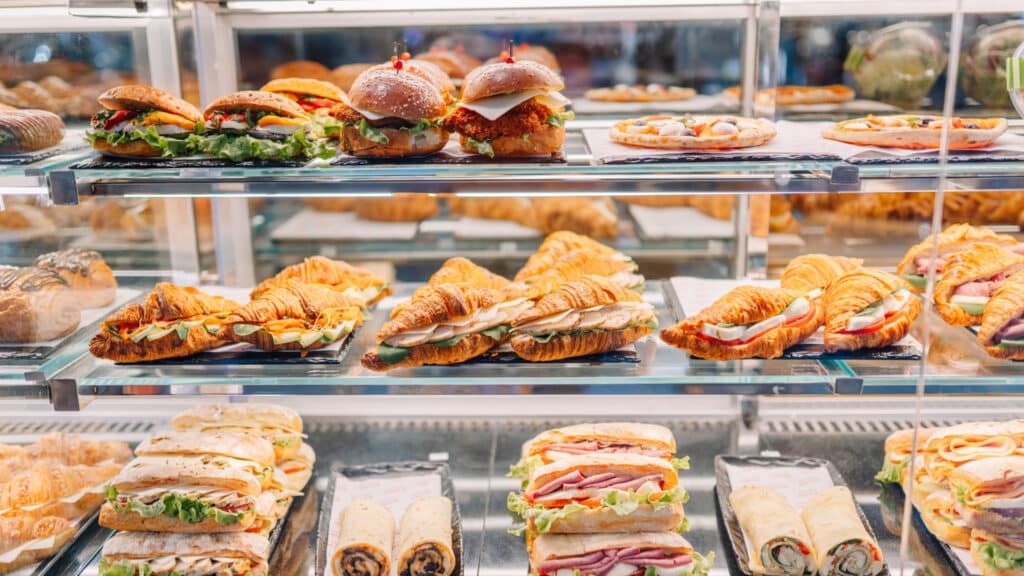
Across the Atlantic, the United Kingdom offers a similar glimpse into an automated food culture, with the average citizen consuming over 100 pre-cooked ready meals every year. Meanwhile, busy Canadian households now direct nearly 30 percent of their total food budgets toward restaurants and takeout options.
High-tech dining and convenience in Asia
Across Asia, declining home cooking has adopted unique cultural forms. Japan presents a fascinating paradox by maintaining world-class culinary traditions alongside minimal home prep time. With over 55,000 neighborhood convenience stores offering balanced, affordable dishes around the clock, Japanese workers frequently bypass home kitchens altogether.
In South Korea, where single-person households now exceed 30 percent of all residences, pre-prepared dishes designed to mimic traditional home cooking are reshaping daily dining, creating a specialized food market projected to top $7 billion within the decade.
Maximum convenience in the Middle East
This global shift reaches its ultimate expression in the United Arab Emirates. In cities like Dubai, a powerful combination of high disposable income, affordable domestic labor and ubiquitous delivery applications makes dining out the default norm, with some residents ordering takeout over 300 times annually.
Ultimately, as smaller urban kitchen spaces and digital delivery apps eliminate daily friction, home cooking is evolving from a mandatory household obligation into an intentional, recreational activity pursued primarily for personal health or leisure.