

A team of U.S. astrophysicists has detected radio signals originating from a planet outside the solar system, about 64 light-years from Earth, in what researchers say is the first such direct detection.
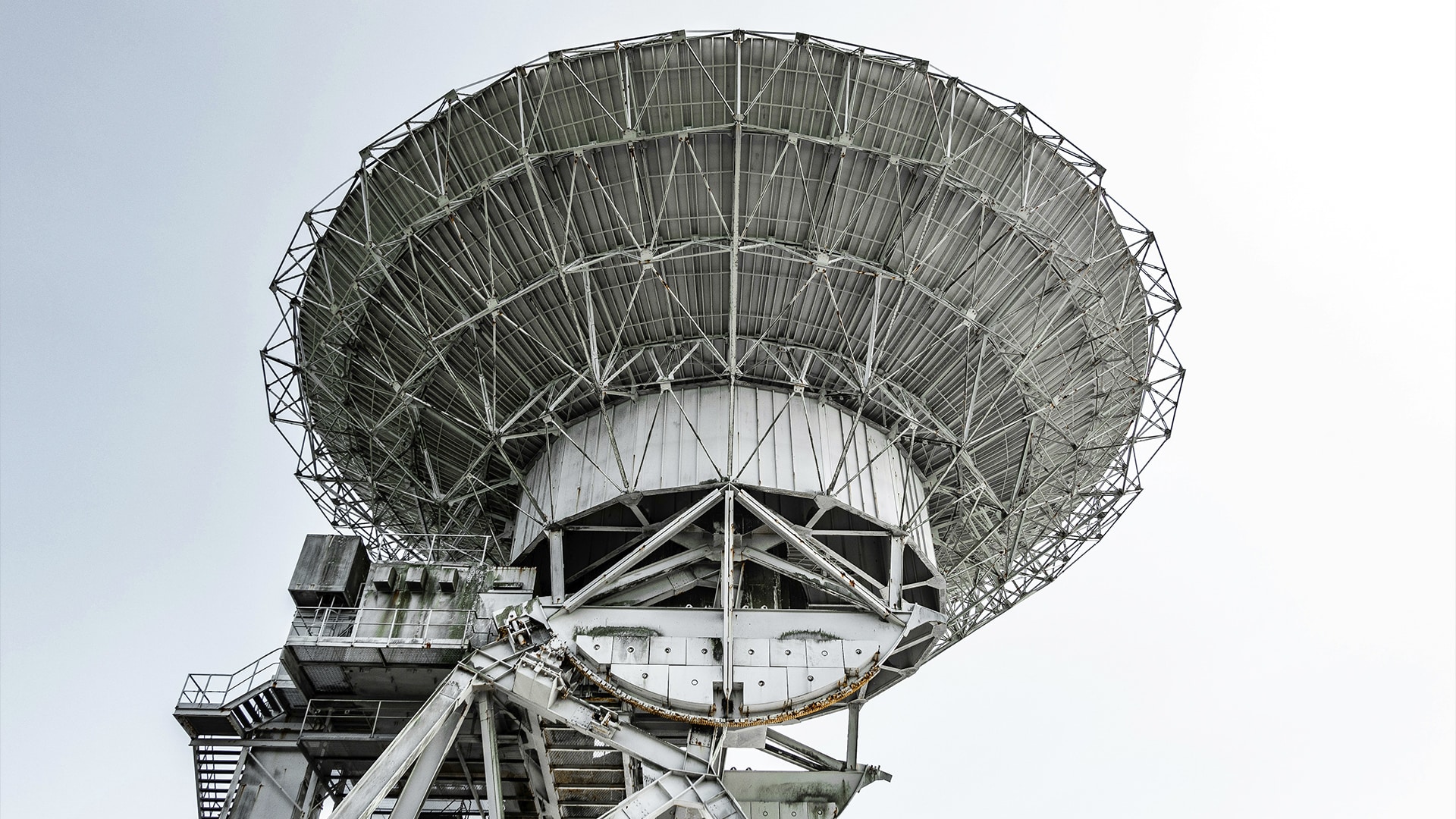
Using the MeerKAT radio telescope array in South Africa, astronomers detected recurring radio bursts and traced them to the exoplanet Beta Pictoris b.
The planet is a young gas giant roughly 12 times Jupiter’s mass; it orbits the star Beta Pictoris. A single light-year is nearly 9.5 trillion kilometers, meaning the signals took decades to reach Earth.
However, the signals have nothing to do with aliens or any other form of intelligent life. Researchers believe the radio bursts are associated with auroras. These emissions occur when energetic electrons move along magnetic field lines, producing radio waves through a process also observed on planets in our solar system.
The signals allowed scientists to directly measure an exoplanet’s magnetic field strength for the first time. Beta Pictoris b has a magnetic field of at least 1,250 gauss at the source of the radio emission — roughly 290 times stronger than Jupiter’s and about 2,500 times stronger than Earth’s.