On Trump’s mental fitness and his bizarre fixations in recent public conduct

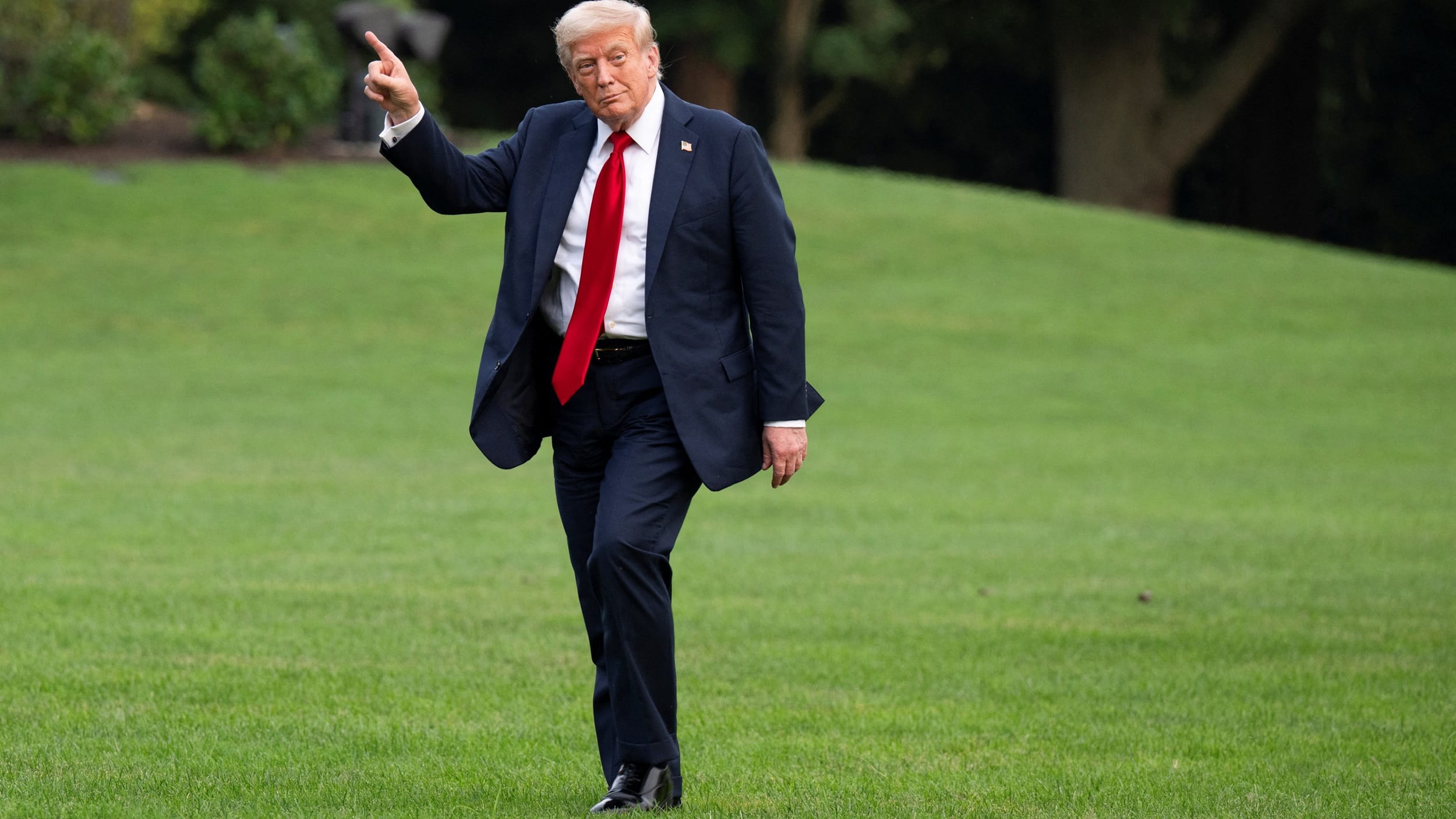
Let us set aside, for the moment, the claims that Donald Trump is a KGB agent or that he has a lookalike in the Urals. The former is generally dismissed by the mainstream as a conspiracy theory, while the latter is little more than a viral internet meme in the Russian-speaking online world.
Instead, let us turn to the assertions — and the troubling indications cited in support of them — that raise questions about Trump’s mental state.
In a compelling analysis for the political newsletter Tangle, editor Isaac Saul warns that President Trump’s recent conduct reveals a profound and accelerating detachment from reality, marking a sharp departure from his historical norm-breaking style. Drawing explicit parallels to early warnings regarding former President Joe Biden’s cognitive decline, Saul argues that recent public outbursts, erratic policy demands, and bizarre social media fixations signal a troubling shift that goes far beyond routine political provocation or media trolling.
Read also: Unpacking the consequences of narcissistic governance in 2026.
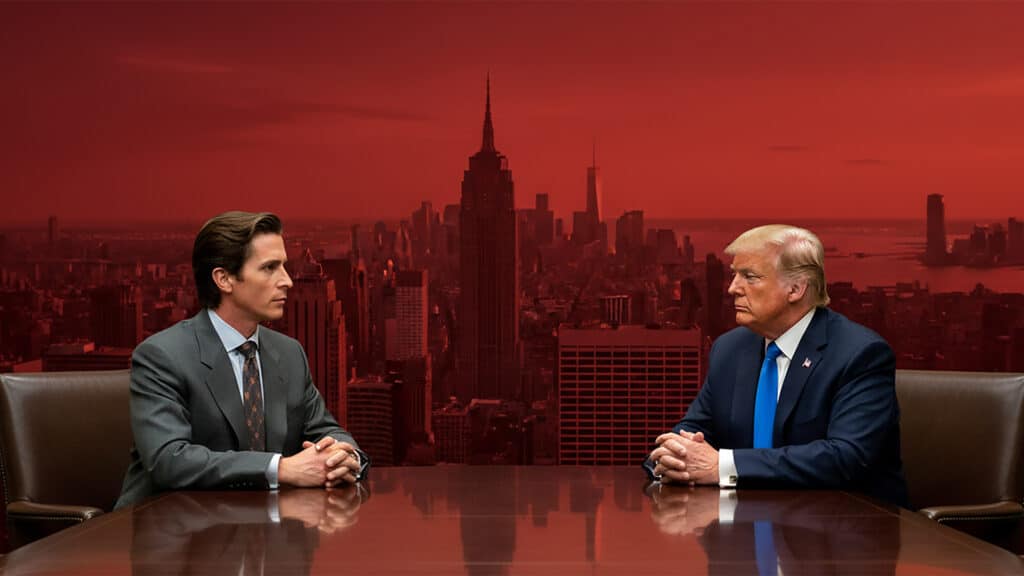
While Trump has always operated as a bombastic, reality-TV-style leader who deliberately pushes political boundaries, Saul emphasizes that his current public statements lack the coherence and strategic intention of his first term. During his initial presidency in 2016 and 2018, Trump’s controversial outbursts — such as disputing hurricane death tolls or attacking political opponents — were aggressive and polarizing, but they remained anchored in identifiable political battles and lacked today’s invention, delusions of grandeur, and bizarre fixations.
Bizarre fixations and economic threats
Among the most alarming examples highlighted in recent months, Trump repeatedly threatened to unilaterally halt trade with any nation maintaining a trade deficit with the U.S. unless the Federal Reserve immediately lowered interest rates — a radical proposal that economic experts warned could spark the greatest economic crisis in American history. To justify this policy, the president insistently argued that maintaining a trade deficit is equivalent to «losing» money, comparing commercial trade to losing cash at a restaurant, an assertion that economists dismiss as fundamentally detached from basic economic principles.
Alongside tariff threats, Saul highlights how Trump became consumed by eccentric geographic proposals, including demands to rename Lake Ontario and the Gulf of Mexico after America, sharing social media maps incorporating Canada, Mexico, and Greenland into U.S. territory, and briefly insisting that New Mexico be renamed «New America» before abruptly abandoning the campaign.
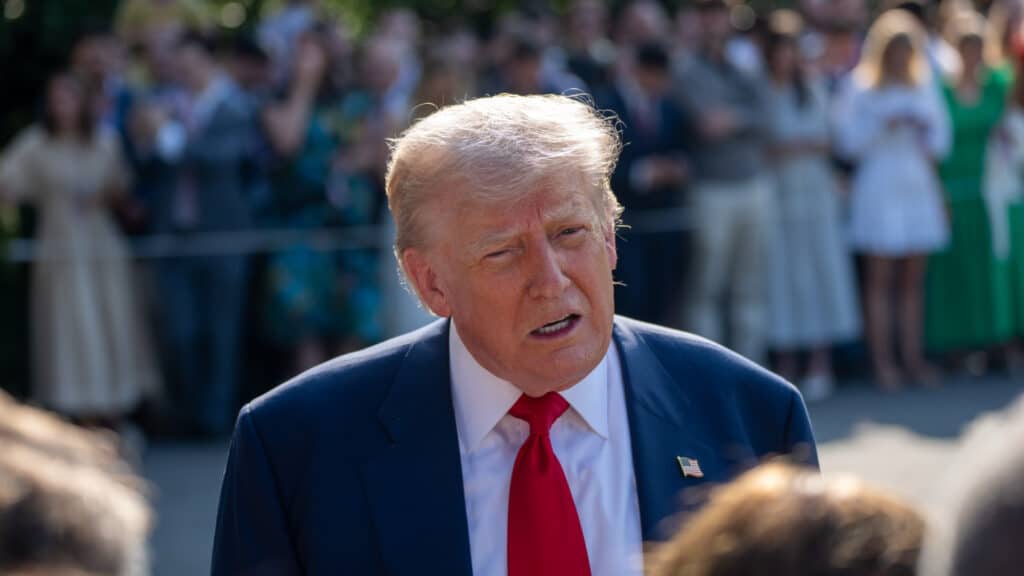
Saul further notes that the president has developed unusual verbal fixations, repeatedly musing during public rallies and online posts that the word «dumb» contains a silent letter while mockingly labeling political rivals as «Dumocrats.» During campaign speeches, Trump also began openly boasting about his own intelligence, transitioning from past claims of possessing a high IQ to expressing personal astonishment at his own cognitive capacity.
The president’s foreign policy rhetoric reached unprecedented volatility when he published profanity-laced holiday messages threatening Iran over maritime straits, followed days later by apocalyptic declarations that an entire civilization would perish overnight, prompting prominent political commentators to question his overall mental stability.
Military arches and White House intrigue
The president’s passion for grandiose architectural projects reached an extraordinary peak with his proposal for a commemorative triumphal arch near Arlington, Virginia, positioned directly in the flight approach corridor of Reagan National Airport. Trump announced plans to transform the proposed anniversary monument into a heavily fortified military installation equipped with automated drone swarms, rooftop sniper positions, and cached ammunition, drawing bewildered reactions from lawmakers and defense analysts.
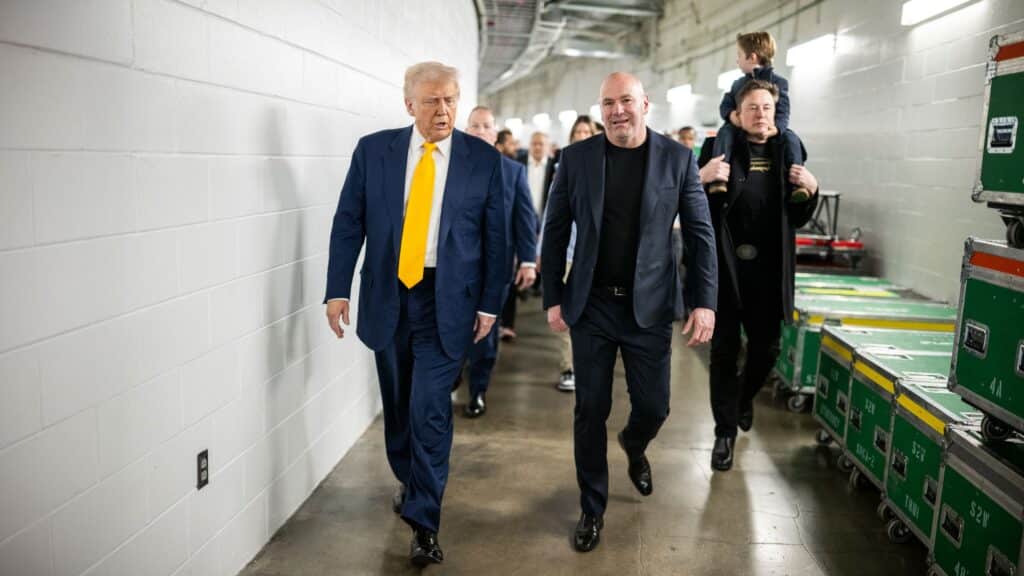
Furthermore, Trump unleashed aggressive attacks against his own Supreme Court appointees following unfavorable legal rulings, shared computer-generated images depicting himself as a divine figure, banned major news outlets following critical coverage of his building projects, and remained obsessed with constructing a White House ballroom, reportedly telling a chief architect who cited municipal safety codes that he personally embodied the law himself.
Midnight postings and altered realities
Trump’s social media activity on Truth Social has reached extraordinary frequency, exceeding 1,000 posts in a single month, with a heavy concentration occurring between midnight and dawn in what analysts view as clear evidence of severe chronic sleep deprivation.
His feed has been inundated with AI slop, including digital depictions of himself in physical altercations with foreign leaders, Space Force uniforms resembling science-fiction empires, and historical scenes alongside Founding Father George Washington.
During public appearances, he conducted polls on renaming artificial intelligence to «super intelligence» before promoting the concept at the United Nations. Additionally, Trump reiterated unverified personal accounts of being rescued by firefighters on Sept. 11, while White House aides reportedly abandoned efforts to correct his misstatements, allowing the president to operate within a self-curated alternate reality.