Translators celebrate their profession while navigating the surge of AI


The protagonist of the iconic 1979 Soviet comedy «Autumn Marathon» — a translator and lecturer named Buzykin — displays a rare moment of emotional boldness and resolve when confronting a wayward student who is begging for a passing grade. He tells the student that he will make no concessions, especially when it comes to future translators, because translation is a profession that carries great responsibility:
«The Translators’ Charter, Comrade Lifanov, states that translation in the modern world should foster better mutual understanding among peoples, whereas your incoherent babbling would only drive them apart.»

Fifteen years ago, a LiveJournal user wrote that Buzykin’s words came to mind almost every time she picked up a translated book. It leaves the impression that only the «Comrade Lifanovs» of this world have managed to stay afloat in literary translation.
The world marks Translators Day today
Every year on Sept. 30, International Translation Day recognizes the work of language professionals who help bridge cultural divides, protect fundamental rights and support global development. Established by the International Federation of Translators in 1991 and officially recognized by the United Nations General Assembly in 2017, the observance uses an annual theme to highlight the political, social and cultural role of translation, interpreting and terminology.
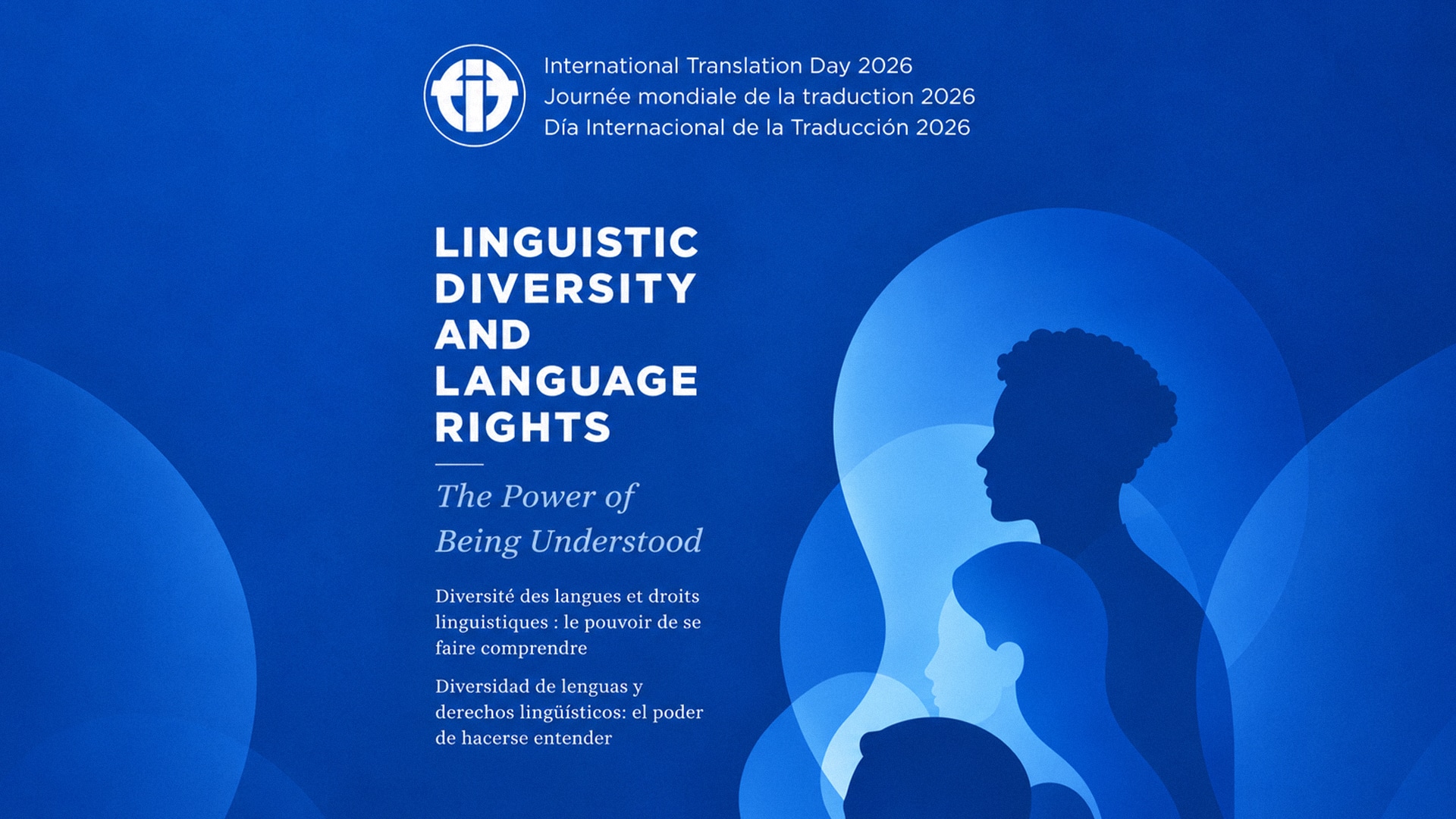
The 2026 theme, «Linguistic Diversity and Language Rights,» focuses on translation as a practical means of upholding language rights. While such rights provide individuals with access to justice, health care, education and public services in a language they understand, those rights can be difficult to exercise without professional language services.
Translators and interpreters help turn legal protections into practical access, reducing language barriers and facilitating participation in public life. They also support multilingual communication across international organizations, public institutions and civil society.
Human trust and oversight in an era of technology
Recent International Translation Day themes have also addressed the challenges posed by rapid technological advances and artificial intelligence.
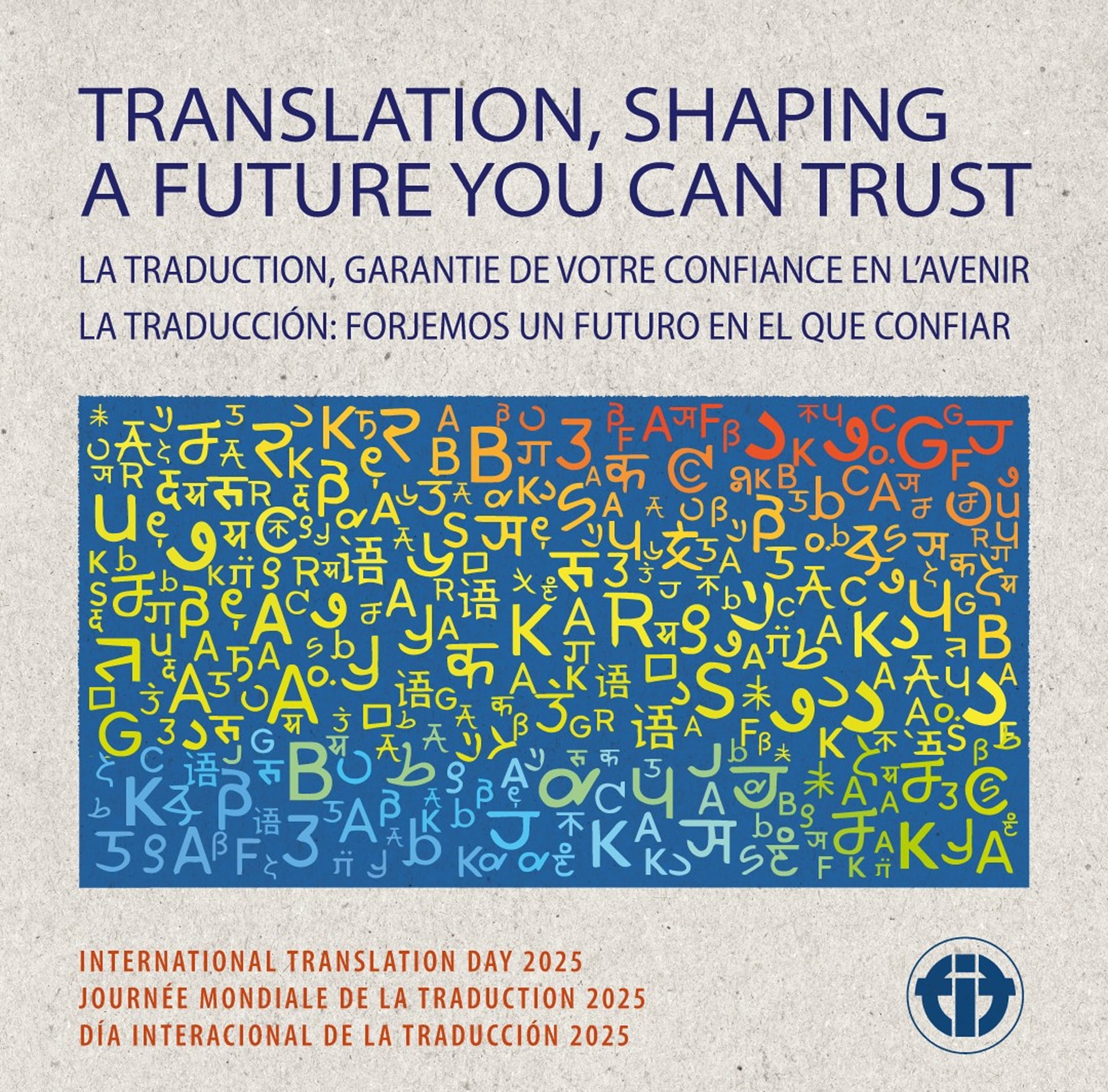
In 2025, the theme focused on the role of human trust in diplomatic dialogue and international conflict resolution, as well as the need for human oversight of machine translation and AI-generated content.
While advances in artificial intelligence have expanded the possibilities for cross-language communication, they have also highlighted disparities between high-resource and low-resource languages. Human language professionals remain involved in maintaining quality, professional ethics and cultural nuance, particularly in diplomatic negotiations and other sensitive forms of communication.
Protecting intellectual property and cultural heritage
In 2024, the observance focused on translation as a creative work, drawing attention to moral rights and copyright protection under the Berne Convention.
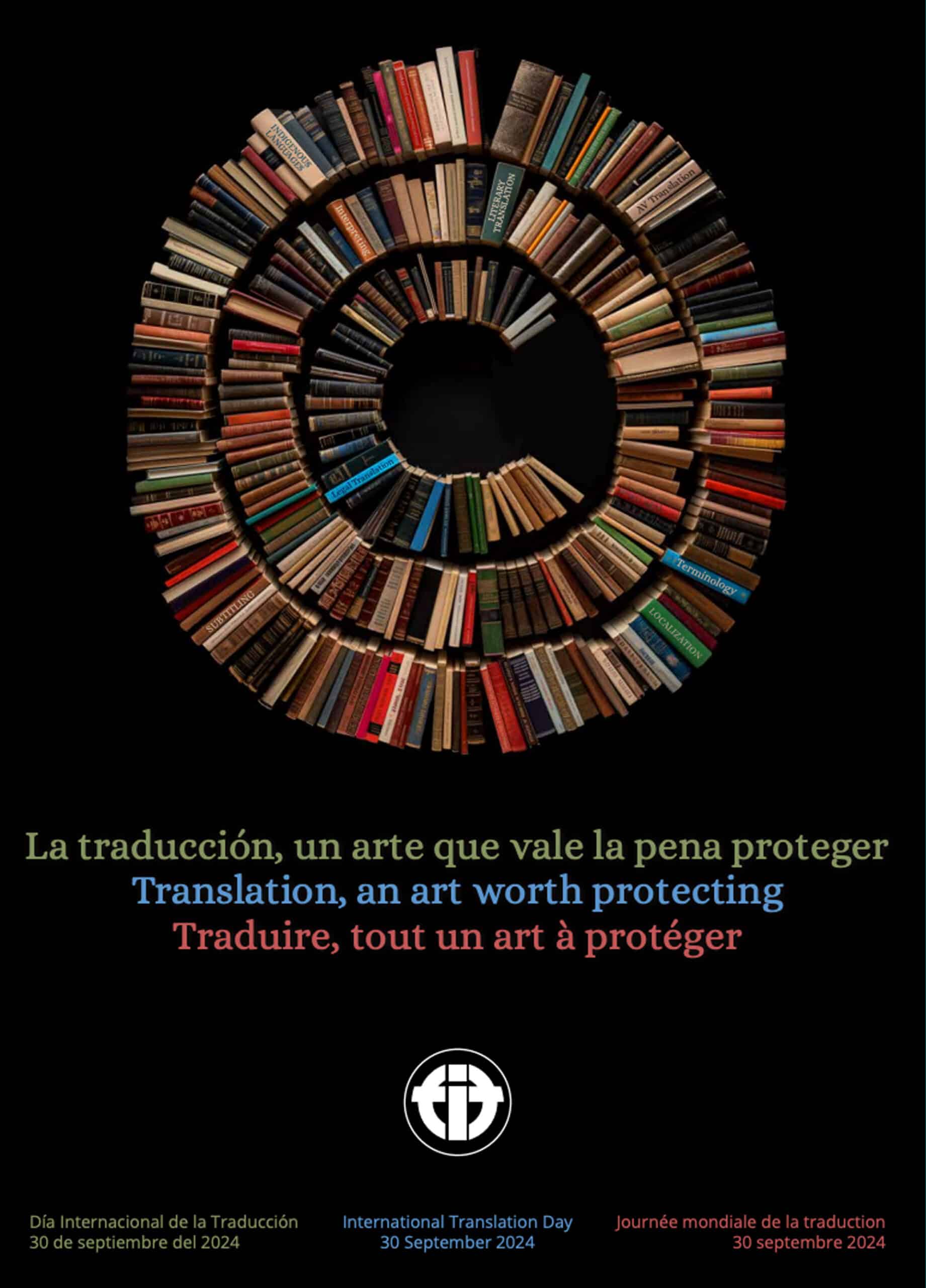
Proper attribution and fair compensation are important to the financial sustainability of translation professionals and help establish clear distinctions between human-created works and content produced by automated systems.
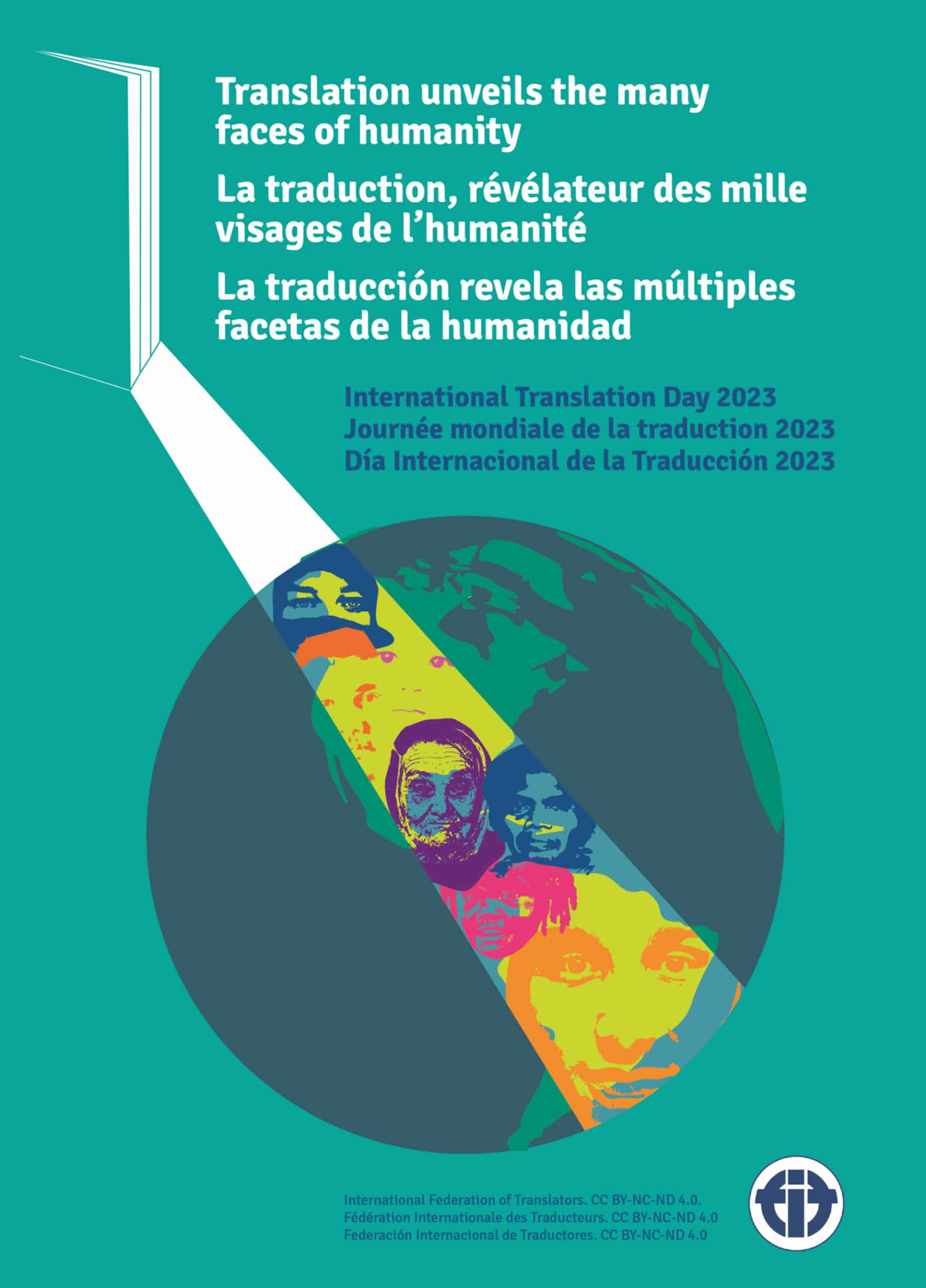
Earlier themes have also highlighted the role of translation and interpreting in protecting human dignity and cultural heritage. The 2023 theme, «Translation unveils the many faces of humanity,» emphasized the role of linguistic access in fostering understanding and supporting international humanitarian efforts.
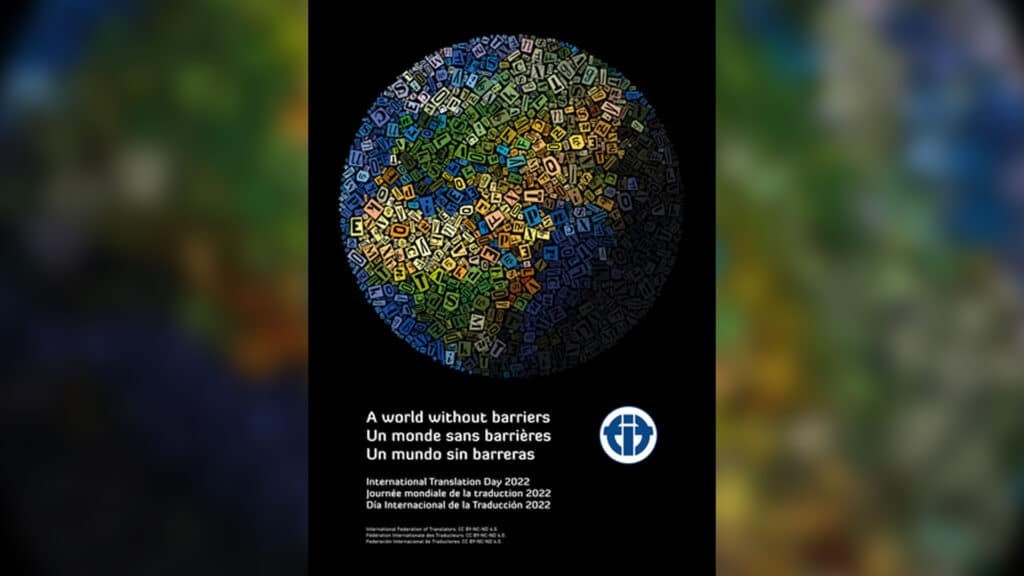
The 2022 theme focused on Indigenous languages and their connection to access to health care and justice, in line with the United Nations Declaration on the Rights of Indigenous Peoples.
The idea that AI will replace many professions and render entire trades obsolete has become a dominant narrative across the media landscape. Translators are no exception. Like many other professionals, they face growing pressure from the assumption that their work can soon be handed over entirely to automation and neural networks.
Not everything can be delegated to AI, argue a number of translation professionals who continue to advocate for the value of human expertise in an era of rapid technological change. The mood within the translator community is a mix of exhaustion, defiance, and professional solidarity.
The prevailing sentiment is that while the industry is currently obsessed with AI-driven cost savings, the legal and reputational risks of using unvetted machine output will eventually force a reckoning. One commenter compared the situation to AI replacing lawyers: it produces convincing pleadings until it is actually examined in a courtroom for real.