Aktau Airport seeks bigger role in China-Europe cargo transit


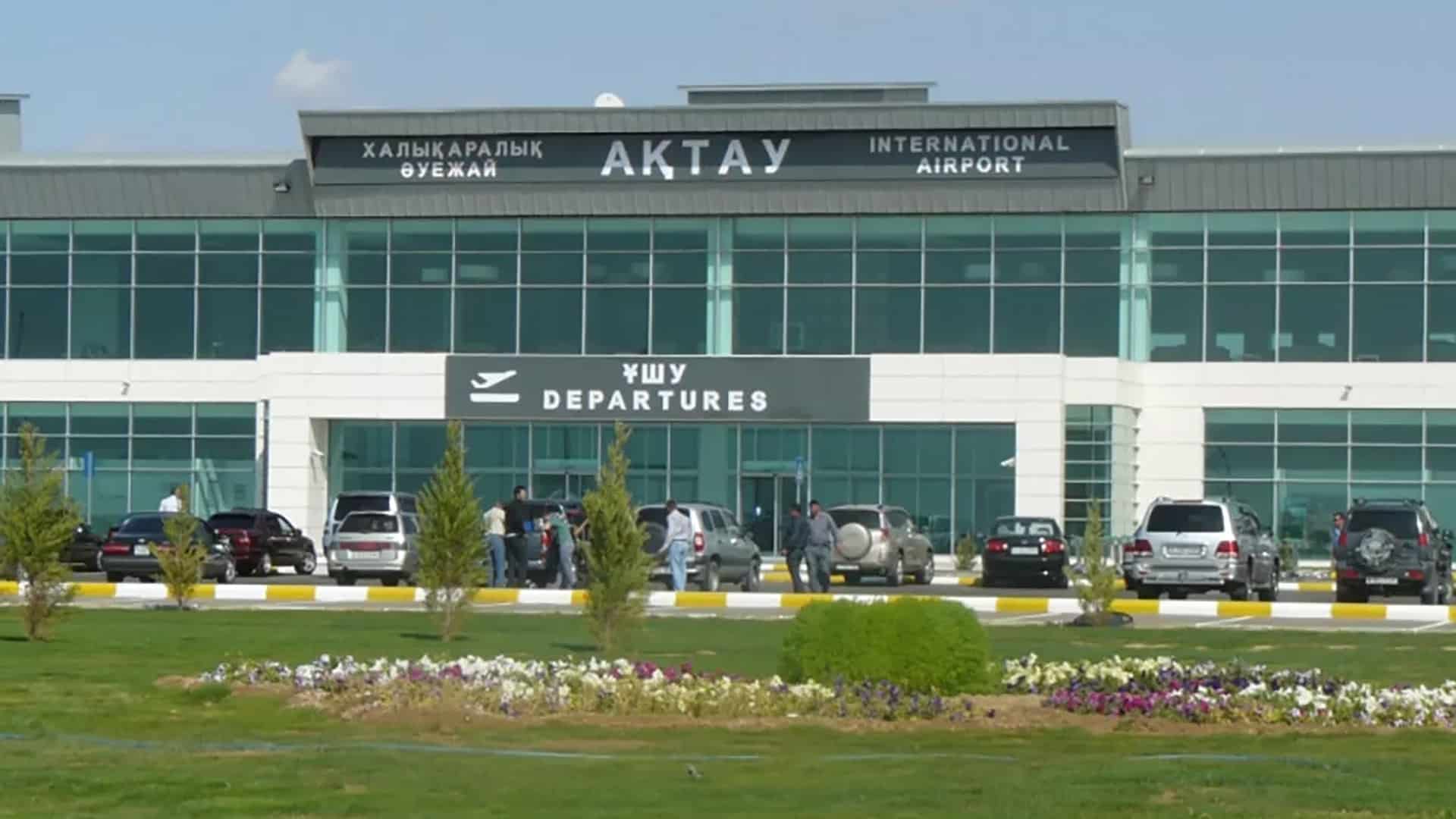
Aktau Airport plans to compete as a cargo transit hub between China and Europe. According to Ahmet Hamdi Güvenç, a board member of Turkish YDA Group, which manages the airport, Aktau could play an important role in air cargo transportation. The group, for instance, aims to increase the volume of cargo handled at the airport to 100,000 tons per year by 2030.
Speaking at the «MRO Central Asia: Kazakhstan 2026» conference, Güvenç pointed out that Aktau Airport is located within a special economic zone. As a result, companies operating through Aktau could benefit from tax incentives and access to local infrastructure. For instance, Aktau has the technical capacity to transfer goods arriving from China by rail onto aircraft. Güvenç believes this represents a major advantage.
He also highlighted the attractive terms the airport offers to freight forwarding and logistics companies. Moreover, next year the group plans to begin construction of an international aviation hub spanning 10,000 square meters and creating 500 new jobs.
Güvenç pointed to electronics as a potential cargo type for transit through Aktau, emphasizing that cargo flights with a stopover in western Kazakhstan are more cost-effective than nonstop flights. Additionally, Aktau offers access to maritime shipping across the Caspian Sea.
Routes from Aktau to European airports such as Liège or Budapest would be shorter than transit routes via Almaty or Tashkent. This could reduce transportation costs, particularly given current jet fuel prices, Güvenç said.
Overall, the company plans to boost cargo throughput at Aktau Airport from the current 3,000 tons to 100,000 tons per year by 2030. Another major player involved in developing a strategic plan for Aktau Airport’s cargo terminal and maintenance center is German airline Lufthansa.
YDA Holding, which has managed Aktau Airport since 2008, is ready to invest $442 million to develop the international aviation hub. However, it is seeking Kazakhstani government support, including subsidized jet fuel and lower prices for dispatching services, and the construction of rail and road connections to the airport.
According to the group’s projections, the project could contribute 12% to growth in the region’s gross regional product (GRP), with GRP expected to reach $6.7 billion over a decade. Annual passenger traffic is expected to increase from 1.5 million to 2.5 million, while the number of domestic and foreign tourists visiting the region is projected to rise to 600,000 per year.