Expert challenges common fuel-saving tips


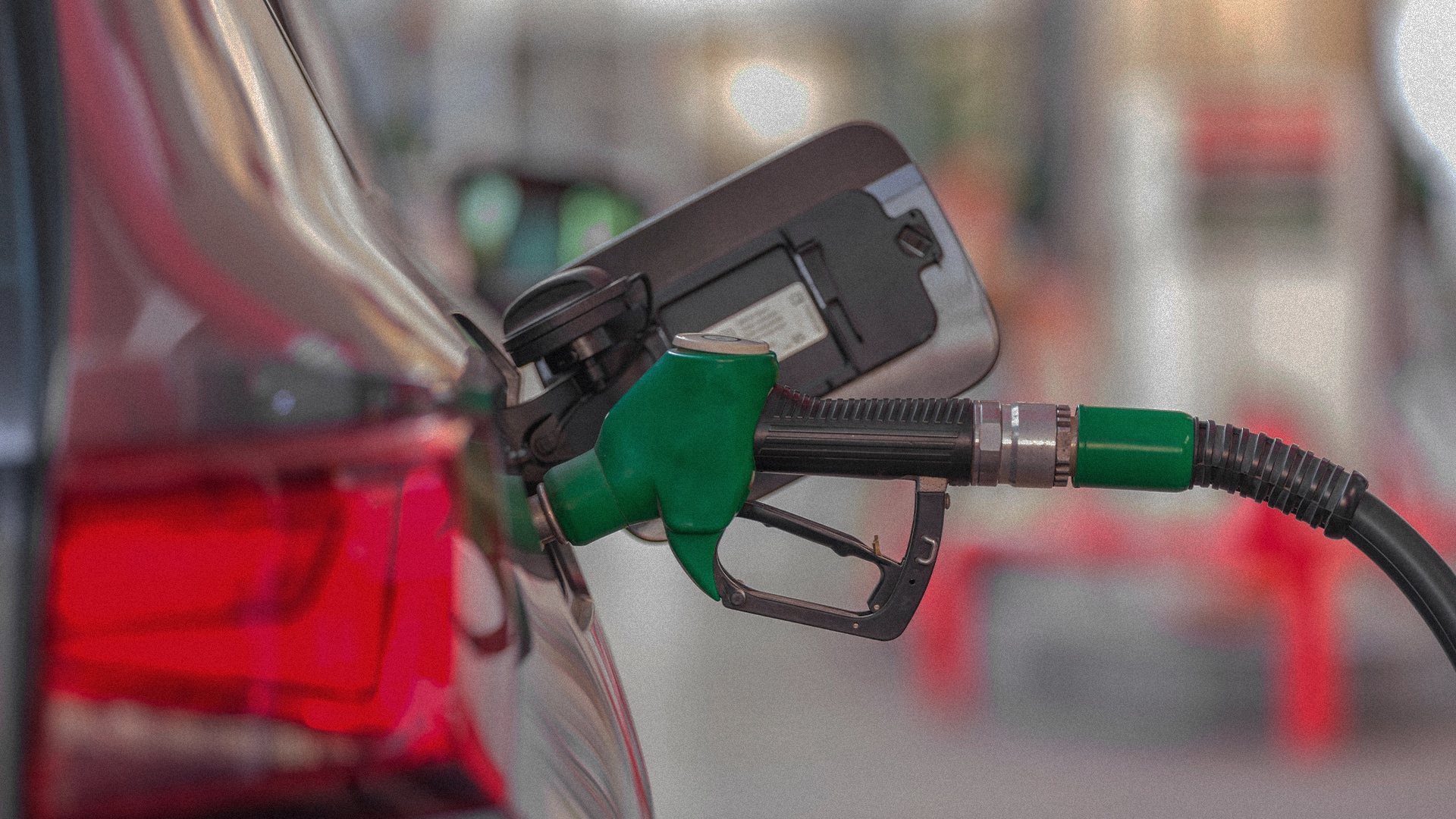
In a bid to reduce fuel consumption, many drivers resort to simple tricks, such as shifting into neutral while driving, overinflating their tires or following trucks closely. However, these methods offer minimal savings at best and can add costs or create safety risks. Andrey Kuzin, head of a Fit Service branch, commented on some common fuel-saving tricks.
Neutral gear doesn’t save fuel
In modern cars, the engine control unit can cut off the fuel supply almost completely when the car is in gear and the accelerator pedal is released. In neutral, the engine continues to idle and consume fuel.
Moreover, coasting in neutral removes engine braking. This matters especially on long downhill stretches and on wet or slippery roads. Shifting an automatic transmission into neutral while driving to save fuel also makes little sense.
A higher gear isn’t always more fuel-efficient
On a flat road under light load, a higher gear can reduce fuel consumption. However, if the engine starts vibrating, the car struggles to accelerate and the driver has to press the accelerator harder, the engine is working under increased load.
When driving uphill, overtaking or carrying a full load, it’s better to shift down. What matters isn’t the engine speed itself, but how the car behaves: jerking, vibration, and loss of power indicate the selected gear doesn’t suit.
Air conditioning or open windows?
Under low-speed urban driving conditions, open windows can indeed be more fuel-efficient than using the air conditioning. The compressor adds load to the engine and can increase fuel consumption by 0.2–0.5 liters per 100 kilometers.
However, on the highway, open windows worsen aerodynamics and increase air resistance. At speeds above 80–90 km/h, it is usually more sensible to close the windows and turn on the air conditioning.
Overinflated tires offer little in savings
Higher tire pressure can slightly reduce rolling resistance. However, fuel savings will be minimal, while the ride becomes stiffer, road grip decreases, and the center of the tire tread wears out faster.
Underinflated tires also increase fuel consumption and impair handling. Tires should therefore be checked at least once a month when cold, and the pressure should be kept at the level recommended by the manufacturer.
Better not to save fuel by following a truck
The aerodynamic effect of following a truck is real, but it’s only noticeable at very short distances. Meanwhile, the driver’s visibility is significantly reduced, and dirt and stones can hit the windshield. Turbulent airflow behind the truck can also make the car less stable, especially in crosswinds. Ultimately, the potential fuel savings are not worth the risk.
What about start-stop systems?
There is no need to disable the start-stop system permanently. Cars equipped with this feature are designed to handle frequent engine restarts and use reinforced starters and EFB or AGM batteries.
The car’s electronics may also keep the engine running if the battery charge is low, the engine hasn’t warmed up yet, or the climate control system is under heavy load. Temporarily turning off the feature can make sense in certain situations, such as during short maneuvers or in stop-and-go traffic.
The fuel gauge is only a guide
The fuel gauge only estimates how far you can travel. For example, at a fuel consumption rate of 5 liters per 100 km, five liters of fuel would theoretically cover about 100 km. At 8 liters per 100 km, that drops to about 62 km, and at 10 liters, to around 50 km.
Actual range depends on speed, traffic, temperature, terrain, vehicle load, tire pressure, and air-conditioning use. Therefore, it’s best not to run the tank completely dry based solely on calculations or dashboard readings.
The most reliable ways to reduce fuel consumption remain fairly simple: keep the car in good technical condition, maintain the correct tire pressure, replace parts and fluids as needed and avoid sudden acceleration.