‘Trash streaming’ won’t be banned in Kazakhstan, ministry says



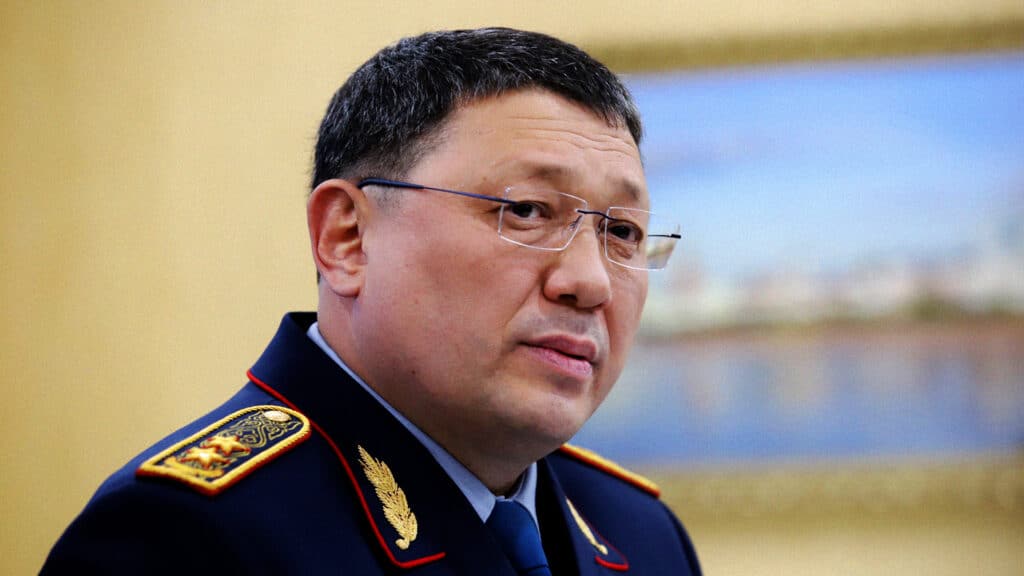
Kazakhstan’s Ministry of Internal Affairs does not support introducing a separate legal definition of «trash streaming» or creating specific penalties for it. Interior Minister Yerzhan Sadenov said the term is subjective and that existing provisions of the Criminal Code and the Code of Administrative Offenses provide legal grounds for prosecuting specific violations.
Why ‘trash streaming’ won’t be defined in law
Sadenov noted that Kazakhstan’s Law on Online Platforms and Online Advertising already defines «content on an online platform.» The definition covers audiovisual information, while the law prohibits the distribution of unlawful content, including material promoting cruelty, violence and pornography.
Existing legislation also establishes liability for specific violations. Depending on the circumstances, streamers may face charges under several provisions:
- Article 174 of the Criminal Code: Incitement of social, national, ethnic, racial or religious discord.
- Article 274 of the Criminal Code: Dissemination of knowingly false information.
- Article 456-2 of the Code of Administrative Offenses: Violations involving the posting or distribution of unlawful content and other offenses covered by the provision.
Sadenov argued that introducing the term «trash streaming» into legislation could lead to inconsistent enforcement because it lacks a precise legal meaning.
Protecting Kazakh citizens filmed without consent
Addressing cases in which Kazakh citizens are filmed without their consent, Sadenov suggested that the Ministry of Culture and Information simplify the process for filing complaints. He also said social networks and online platforms should be required to respond more quickly to reports of harmful content.
«Particular attention must be paid to protecting minors from harmful content,» Sadenov said, adding that the matter had been referred to the Ministry of Culture and Information for consideration.
Recent arrests over livestreams
Kazakhstan has recently seen several cases involving penalties for content posted on social media. In September, two young women in Almaty were sentenced to five days of administrative arrest each for using profanity during a TikTok livestream. Later that month, two male TikTok creators received the same sentences over videos containing profanity and offensive language.
Kursiv.media previously reported that MP Zharkynbek Amantaiuly had proposed introducing a legal definition of «trash streaming» and increasing penalties for unlawful content broadcast live.
Amantaiuly argued that some creators deliberately provoke conflicts, insult people and stage dangerous pranks to attract views and generate income from their content.