

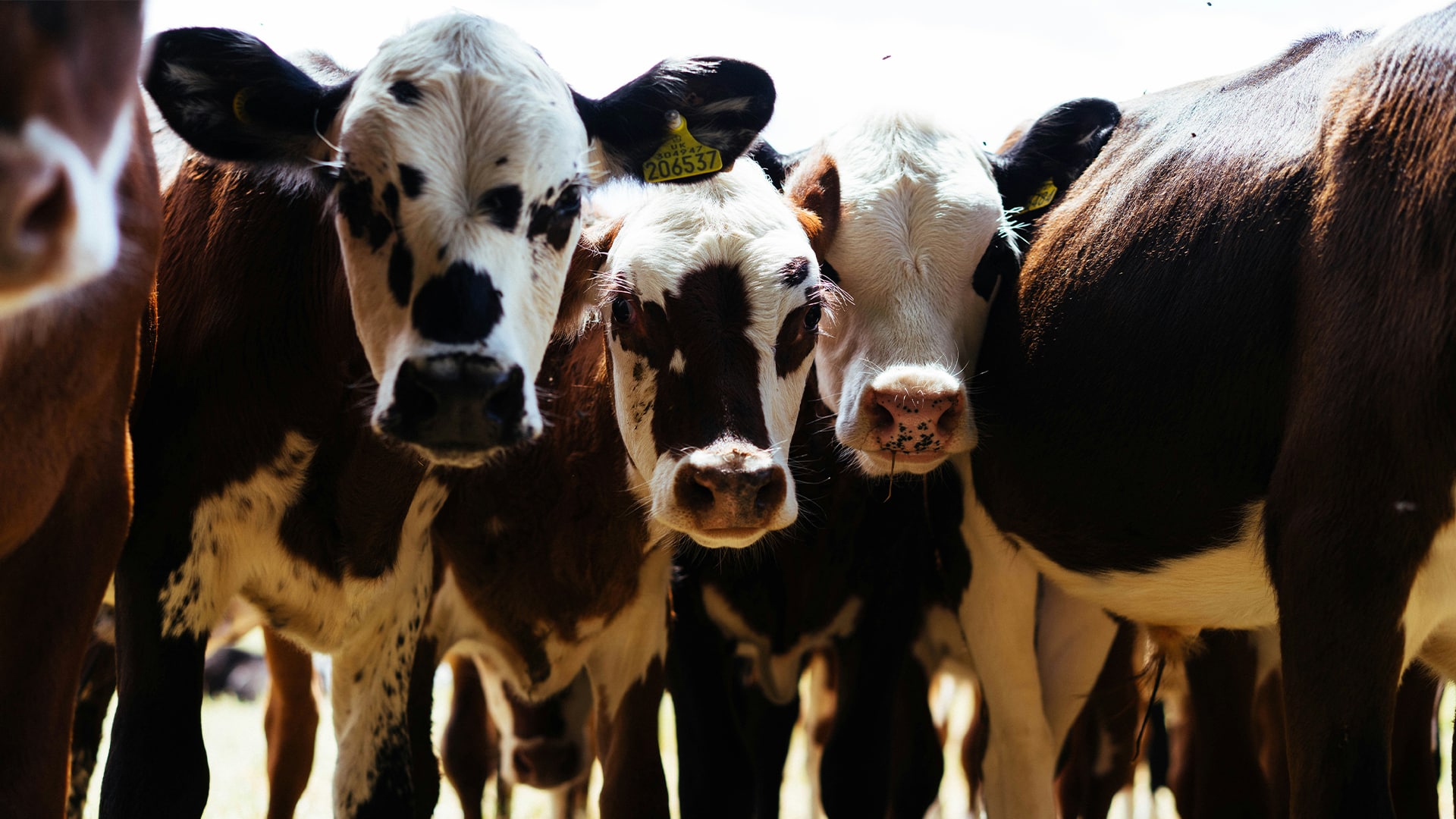
The historical and educational project Qalam has explored how livestock were treated on the steppe before the advent of antibiotics and modern veterinary medicine. Kursiv LifeStyle looks at some of the unconventional methods used to care for horses, sheep and other animals.
Herbs and toxic plants
Nomads most often relied on medicinal herbs to treat their animals. Elecampane, a perennial plant with medicinal properties, was particularly popular. A decoction made from it was given to camels and horses suffering from pneumonia, while crushed elecampane was added to the feed of other livestock.
Kazakh nomads also made use of venomous snakes. Rather than administering modern deworming medication, they reportedly fed livestock dead venomous snakes. Lambs with pneumonia were treated with black henbane seeds mixed with sour cream.
Toxic plants were also used to treat mange. The skin of horses, camels and sheep was washed with decoctions made from plants of the Anabasis and Ephedra genera.
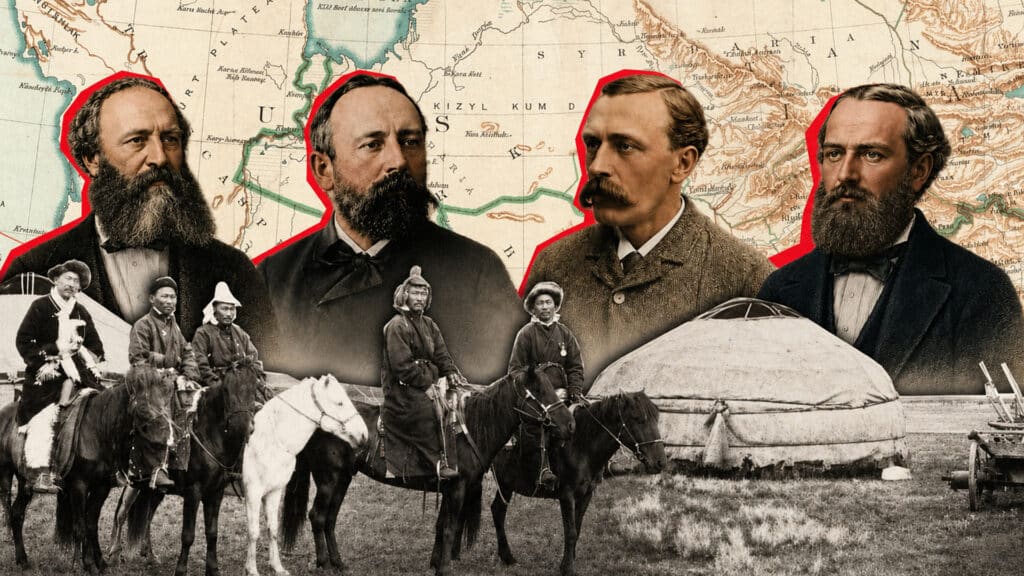
Read also: How 19th-century American travelers saw the Great Steppe’s changing world.
Surgery and other treatments
Anthrax was a widespread disease among livestock on the steppe, and some traditional treatments involved surgery. By modern standards, such practices could raise serious animal-welfare concerns.
In milder cases, swellings on horses were cauterized with a red-hot iron or treated by placing a piece of opium under the skin. When surgery was considered necessary, the swelling was cut out with a knife, and salt was sprinkled generously over the wound as a disinfectant.
Rituals, vaccination and quarantine
When disease outbreaks reached epidemic proportions, nomads sometimes turned to rituals believed to protect their animals. Flocks might be led to a cemetery, driven between bonfires or made to pass beneath a multicolored rope.
Alongside these practices, however, nomads also used methods that resemble approaches employed in modern veterinary medicine. According to Qalam, they practiced inoculation against smallpox and foot-and-mouth disease by inserting small pieces of lung tissue from infected animals under the skin of sheep.
Quarantine was another important measure: sick animals were separated from the rest of the herd to help prevent the spread of disease.