
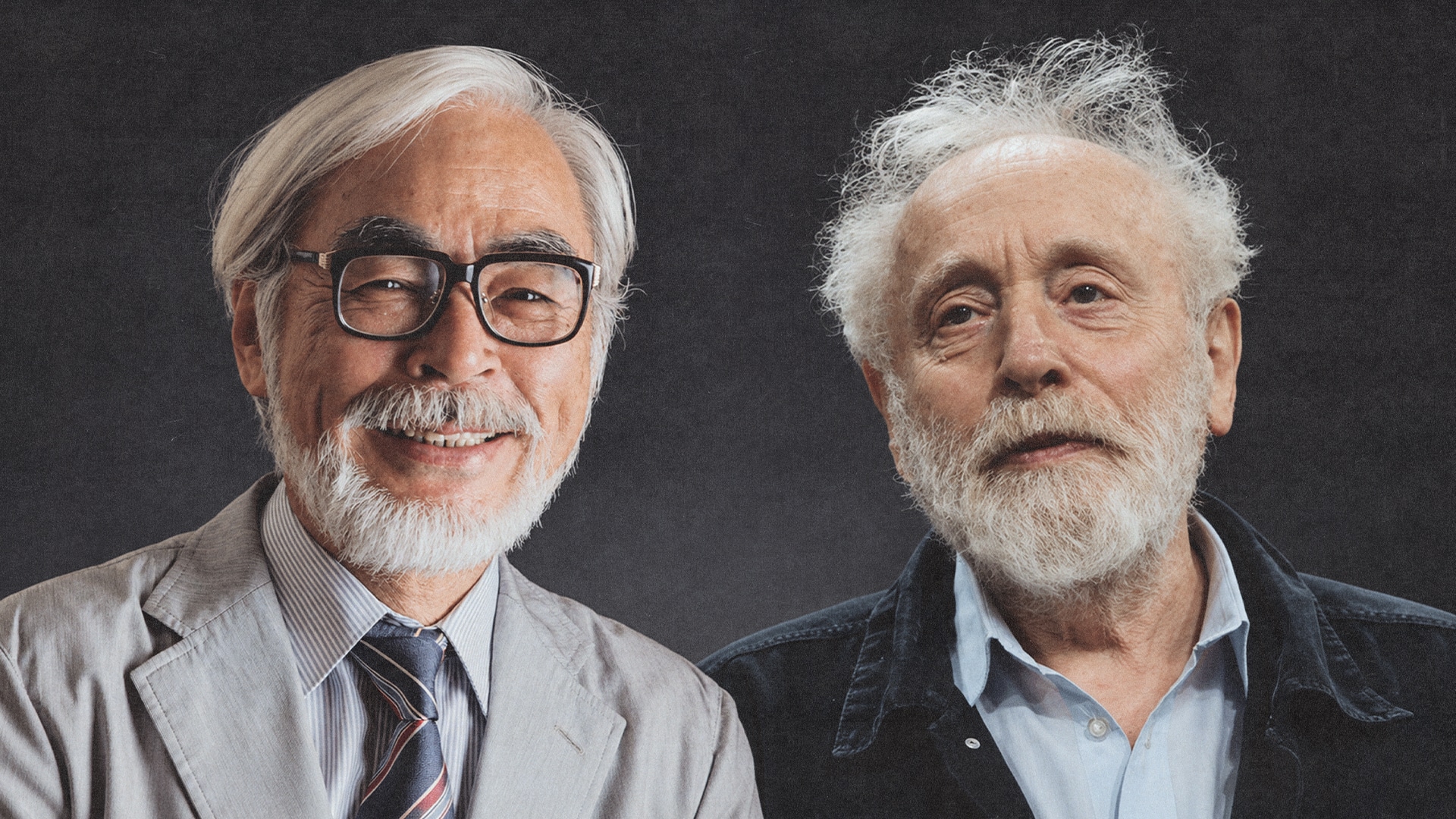
Soviet animation icon Yuri Norstein has reportedly decided to donate his archive — including sketches, storyboards and drafts for «Hedgehog in the Fog» — to the Ghibli Museum in Japan. To Hayao Miyazaki. Not to Gosfilmofond, Russia’s state film archive and not to the long-promised Moscow animation museum that has been in the works for a decade but still does not exist, wrote Andrew Volkov in a recent social media post.
Norstein is entrusting his work to a Japanese artist who admires him, quotes him and considers him a mentor. The symbolism is more powerful than any manifesto, Volkov noted: a Russian animation master is placing his legacy in the hands of an institution where, as the argument goes, it will not simply be stored but cherished.
Naum Kleiman, the legendary film historian and curator whose knowledge of cinema is itself an archive, put it succinctly:
«He can gift his work to whomever he chooses, and wherever he likes.»
It sounds like an act of freedom. Yet the statement also amounts to a quiet indictment of Russia’s cultural infrastructure.
A legacy that needs a home
Now 80, Norstein has seen film negatives deteriorate and has watched climate control and digitization arrive only slowly and belatedly.
So he chose a place where humidity would not destroy his pastels and where curators understand the technical distinctions between animation layouts and cel setups.
Miyazaki is more than an admirer. He once traveled to Moscow and spent hours in Norstein’s studio on Sretenka Street, watching the master move the figure of the Hedgehog millimeter by millimeter. Miyazaki later took copies of the storyboards home — gifts that, to him, were almost sacred relics.
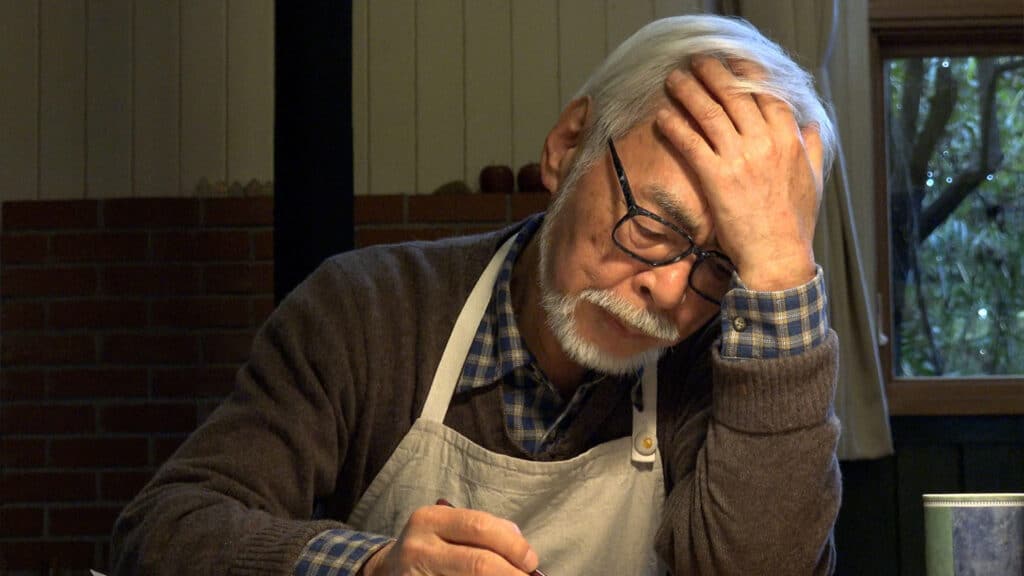
The Ghibli Museum in Mitaka, Japan, is a functioning institution with dedicated exhibition spaces that explore the creative process behind animation. Its exhibitions demonstrate how production materials can be preserved and presented as an essential part of an artist’s legacy.
In Russia, meanwhile, critics have long lamented the absence of a major museum devoted to animation. Cinemas get built. Dairy plants get built. An animation museum remains at the back of the queue.
Not abandonment, but an evacuation of meaning
This is not an abandonment of Russia by Norstein. He remains in the country, where he lives, works and teaches. But cultural memory migrates to places where it has a better chance of surviving.
The irony is that the Japanese museum operates with private-sector support and ticket revenue, while Russian cultural institutions often depend on grants, bureaucratic reporting and anniversary celebrations.
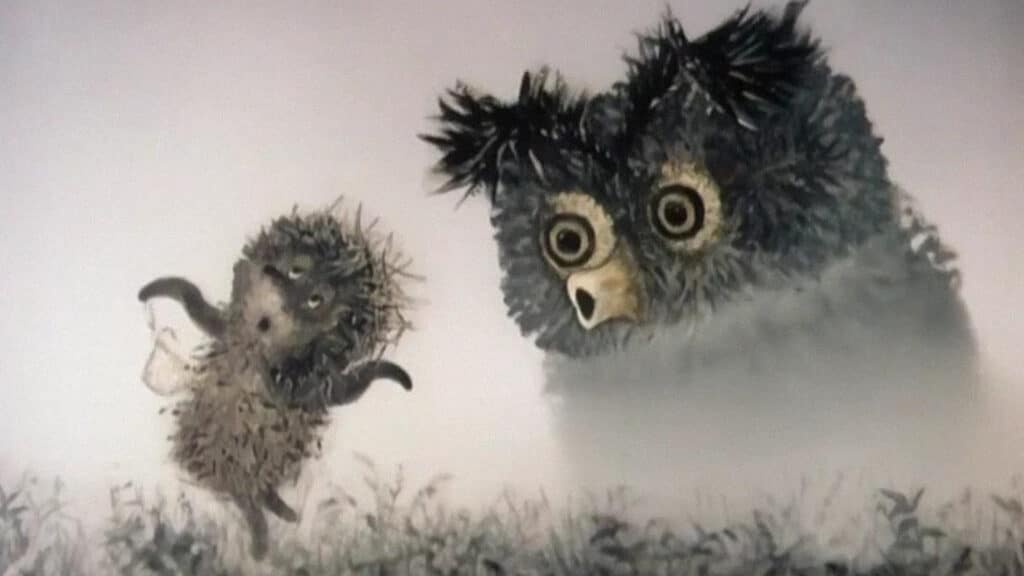
«Hedgehog in the Fog» will become an exhibit in Mitaka, the argument goes. Tourists from Moscow may one day fly to Tokyo to see the work that shaped their childhood fears and sense of wonder.
Why some viewers say Norstein made the right choice
Comments on social media have added another dimension to the discussion. One commenter recalled seeing storyboards for «Neznayka» («Dunno») — referring to an animated film — thrown into the trash, suggesting that Norstein had drawn a logical conclusion from such experiences.
Another commenter argued that Norstein has longstanding grievances against Soyuzmultfilm, Russia’s historic animation studio, and that those grievances are justified. The commenter also alleged that the studio now handles artists’ legacies at its own discretion and pointed to a dispute over the release of a coin featuring the Hedgehog.